






Now Reading: Authentic or aesthetic? Reclaiming what’s real in a performative world
-
01
Authentic or aesthetic? Reclaiming what’s real in a performative world
Authentic or aesthetic? Reclaiming what’s real in a performative world

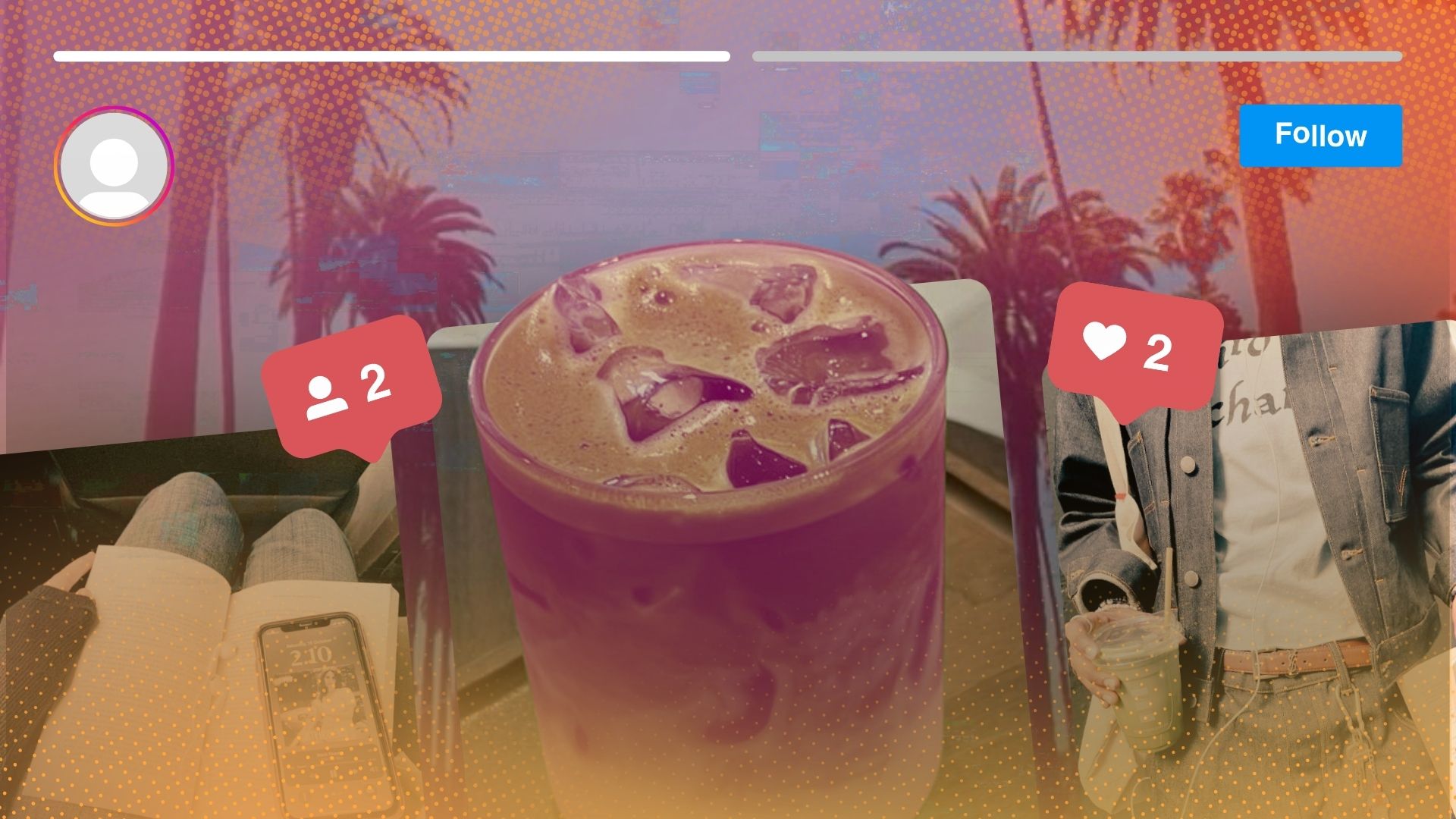
Shaunte Felicity Ong and Aaron Dave Mendina
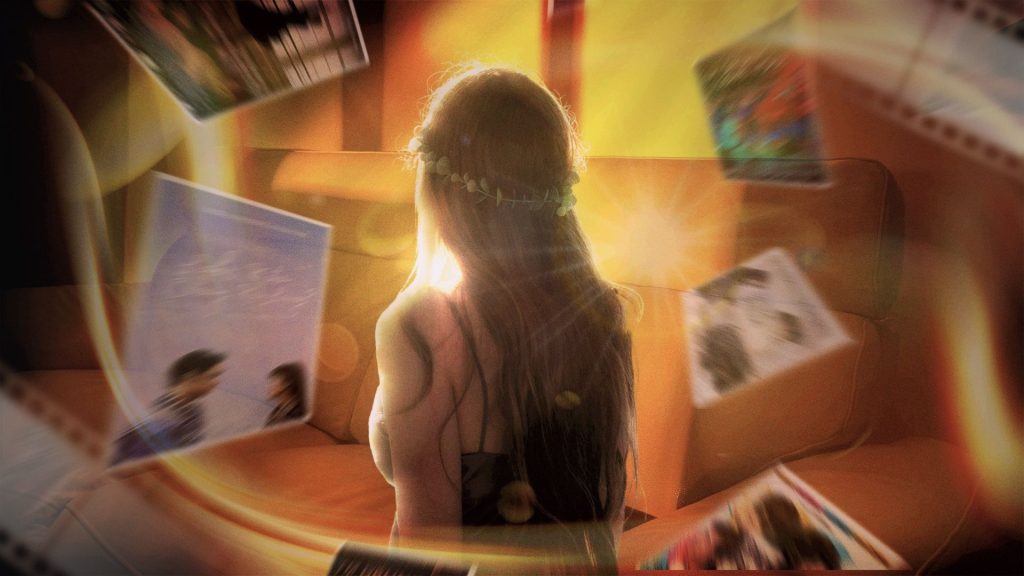
The line between authentic and aesthetic blurs quickly, sometimes as fast as a 60-second Instagram story. Yet, beyond the soft light and handheld filters, have you ever stopped to ask: when did Instagram become so performative?
What was once pitched as a simple photo-sharing platform has transitioned over the years into a curation contest — where victory is determined not just by likes, but by how well you portray a certain lifestyle. With the rise of Strava screenshots, hidden cafe spots snaps, and ultimate thrift finds filling up your mutuals’ stories, you might just fall into the trap of thinking that everyone else has got their life figured out; and there you are, scrolling.
But like everything else in our digital world, there is more than what meets the eye in Instagram’s so-called performativeness. Behind the posts that trigger that 2 a.m. fear of missing out (FOMO) is a platform engineered to generate trends one after another. And the sooner you realize that the people you follow are also just jumping on Instagram’s social bandwagon, the sooner you can reclaim what’s real.
Made for the trends
Instagram, by nature, is a platform manufactured for trends.
Even early on in its lifetime, Instagram has always put efforts into creating features that would enable its users to ride on trends with just a few clicks. With the hashtag’s dominance way back in 2016 to the “add yours” button on story templates added a few years later, you’re always exposed to the latest fads in social media culture.
In the late 2010s, it was #ThrowbackThursday.
This year, story templates centered on “2016 in 2026.”
And in the years between, thousands of memes, trends, and templates would go on to build the Instagram continuum we know today.
These trends have been central to the fabric of social media, clothing our online personas in whatever is currently popular. The issue is not inherently that Instagram has mechanisms that allow for engagement to spark within users. With that said, problems do arise when we substitute personalities for trends — trading genuine expression for dime-a-dozen drifts.
There comes a point when “trendy” is just “performative.”
And recognizing that turning point is crucial to avoid becoming a victim of it.
A trend’s toll
Becoming fixated on maintaining an online presence built on trendy aesthetics won’t just cost you authenticity. Sometimes, you’ll pay the price of mental strain and restlessness.
Many of us have been all too familiar with FOMO. Similarly, you might have admired or even felt envious of the lifestyles that your mutuals display on their highlights. Having said that, it’s important to recognize that curating these posts is just as exhausting as reacting to them. This notion that Instagram can induce stress isn’t just felt — it has been documented and researched.
As early as 2017, a report by the Royal Society for Public Health revealed that Instagram had the most negative effects on mental health after surveying 1,500 users aged 14 to 24. An anonymous respondent noted that “Instagram easily makes girls and women feel as if their bodies aren’t good enough as people add filters and edit their pictures in order for them to look ‘perfect.’”.
Beyond the statistics the study reported, the #StatusofMind project simply affirmed the sensation that millions of Instagram users had already been feeling — that reality must be edited to be instagrammable, and showing the unfiltered truth meant that you were falling behind.
The truth is that authenticity is rarely aesthetic. Staying up until 5 a.m. to study for finals is never as glamorous as what reels may suggest. Facing a breakup that ended badly — flooding your wall with reposts, and your notes with Mitski songs — is even messier without “Once More to See You” playing in the background. These moments that require quiet resolution shouldn’t be romanticized as “college student core” or “fresh from a terrible relationship aesthetic.”
This doesn’t mean that all curated posts are fake.
It just means that there are some things that shouldn’t be curated in the first place.
Riding the wave
You don’t always have to ride on trends.
Social media creates a sense of pressure to consistently try out different things, no matter how costly or detrimental they may be. It makes you feel as if not doing something would leave you behind. But the process of constantly having to chase trends makes people lose sight of what they enjoy, and even what they stand for.
More often than not, trends appear harmless—hence why they’re so enticing. From making AI stickers, caricatures, to generating videos, trends seem to be entertaining. Yet in reality, systems used to create these forms of content rely on taking real artists’ work without consent, transforming them into outputs that are notably labelled “AI slop.”
The process of conforming to trends is exhausting in itself, all to stay relevant and up-to-date. In reality, you aren’t obligated to participate in every viral moment, nor does it make you boring or outdated.
Sometimes, authenticity is knowing that something isn’t for you, and that takes a while to figure out.
Forged realities
There’s a common misconception that authenticity of the social self means having to show every aspect of life without filters.
However, we must beg to differ because curation is natural. People are free to choose what parts of themselves they are comfortable with sharing publicly, the same way that not everything is our business. Being able to dress well, single out the best moments, and editing compositions doesn’t make anyone automatically fake.
What matters is the intention.
Deciding to curate life’s highlights is altogether different from creating a new personality online. Curating is simply a thoughtful representation of the self, while the other is disconnection from reality.
Authenticity never necessitates showing everything as it is. If anything, it’s ensuring that you are able to put yourself out there in a way that’s truthful to who you are.
Whether you’re curated or unfiltered, being grounded in your identity, honesty, and reality is what makes a difference, instead of giving in to pressure and intimidation online.
Grounded in reality
In a time where trends shift in speeds impossible to keep up, we began to crave for validation, relevance, and the pursuit of aestheticism—all of which have engulfed genuine self-expression. Although Instagram is not entirely detrimental, it has slowly redefined the meaning of authenticity.
It was never about letting the world see your struggles or the rejection of aesthetics, but rather remaining truthful to yourself amid all the buzz and pressure. Above all, it’s the acknowledgement of the reality that not all trends demand participation, and not all experiences are made for public consumption.
Staying real in a world where performative acts have become pervasive is requiring honesty and uniqueness in what makes each human distinct beyond the trends.