





Now Reading: Basic education suffers budget cuts in proposed 2026 nat’l budget
-
01
Basic education suffers budget cuts in proposed 2026 nat’l budget


Jea Nicole Jacot
Despite education getting the largest slice of the proposed national budget for 2026, a civil society organization (CSO) pointed out that the allocated budget for the sector shows a reduced budget for key programs and policies dedicated to youth nation-building.
With national budget deliberations underway, the Department of Education (DepEd) is set to receive Php 1.2 trillion of the Php 863.3 billion budget under the 2026 National Expenditure Program, an increase from the previous year’s Php 1 trillion.
The Center for Youth Advocacy and Networking (CYAN), a youth-led and youth-serving organization, noted that the budget has little left for programs supporting marginalized youth and students, citing gaps in addressing learning poverty, digital infrastructure, and school health programs.
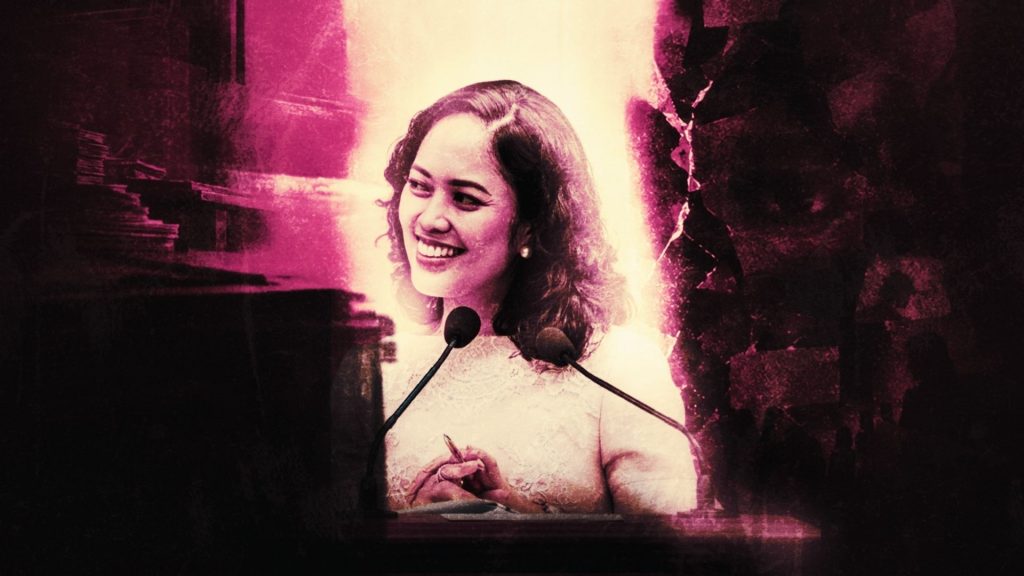
“Malaki ang kabuuang budget, pero mukhang kulang po sa direction,” said Executive Director of CYAN Leizl Adame, in a town hall meeting with CSOs on August 28.
“Sa unang tingin, mukhang malaki ang pondo,” they said. “Pero kung susuriin, kaunti na lang talaga ang natitira para sa mga marginalized youth and students natin.”
For instance, the proposed budget for the Inclusive Education Program has been reduced from Php 1 billion to Php 850 million, a drop that, according to Adame, “limits assistance for students with disabilities who are already facing barriers in education.”
Also suffering from a budget cut is the indigenous peoples’ education, where it was cut in half, from Php 154 million to Php 74 million, which may reduce support for culturally responsive teaching.
Meanwhile, funding for the Madrasah Education Program for Muslim learners saw a slight decrease from Php 498 million to Php 496 million.
“Beyond these programs, basic education inputs that directly shape classroom learning also suffered major reductions,” they added.
From Php 12 billion to Php 11 billion, the decrease in allocation for textbooks and instructional materials means, as per Adame, millions of students will still have to settle with fewer and outdated learning resources.
Funding for learning tools and equipment was also cut by Php 600 million, dropping from Php 3.5 billion to Php 2.9 billion.
They also stressed that the budget for the basic education curriculum decreased by Php 132 million, while funding for physical fitness and school sports has gone down by Php 256 million.
Moreover, Adame pointed out that the Department of Health (DOH) budget lacks a specific allocation for mental health and adolescent health programs for students.
“At ang National Youth Commission (NYC) naman,” they noted, “sa gitna ng recognition na kulang na kulang ang training ng ating mga Sangguniang Kabataan (SKs) at Local Youth Development Council (LYDCS), ang commission sana na nagpapalakas ng youth participation ay nangangahalati ang budget.”
They then echoed the call of its partner organization, Government Watch, for an “ecosystem of accountability” that includes participatory budgeting open to the youth.
“Ang demokrasya hindi totoo kung palamuti lang kaming mga CSOs,” Adame said.