








Now Reading: Behind Filipinos’ favorite brands we know and love
-
01
Behind Filipinos’ favorite brands we know and love

Shaunte Felicity Ong
Ingrained in Filipino culture are brands that have defined generations of families. Behind these giants are pieces of warmth and joy that tell different stories for every Filipino. Some are reminders of the playful afternoons with shared merienda among friends, while others are reminiscent of the love and comfort one’s cherished family brings.
Beyond products and brands, each successful Filipino product has a story to tell: perseverance, passion, and the desire to provide for the people. What started as small businesses from tiny home kitchens have now become recognized names, standing as a testament that dreams can reshape ways of life.
- Alaska
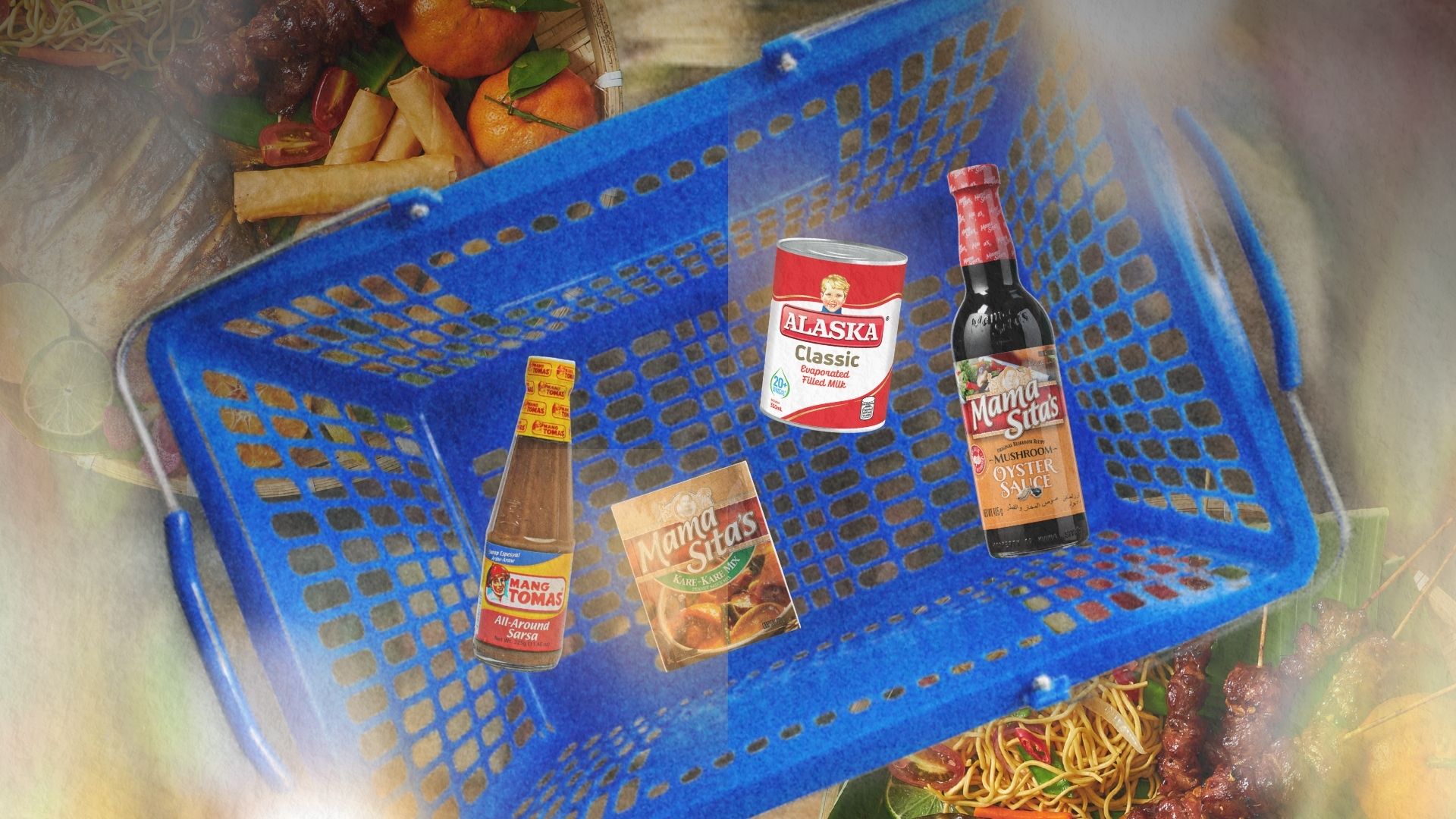
Since 1972, Alaska has become the go-to milk for every occasion. From a warm creamy bowl of sopas all the way to a milky champorado, Alaska’s evaporated and sweetened condensed milk made its part as a taste of home.
Best known for its nostalgic colors, what sets its cans apart is the illustration of a caucasian boy. Although some sources have regarded him to be a fictional character, some have pointed out his resemblance to Michael Uytengsu, the son of Alaska Milk Corporation’s founder Wilfred Uytengsu Sr.
In 1974, Alaska’s “One-on-One” campaign featured Michael and also debuted the famous “Wala pa rin tatalo sa Alaska” advertising line. Over the years, Alaska has adapted its brand as more than just milk products by also venturing into sports such as basketball.
- Mama Sita’s
From a mom whose passion for cooking brought families together is a 100% Filipino-owned brand that now competes with global companies.
Teresita “Mama Sita” Reyes realized that there was a need to create products that would help her relatives remain connected with the taste of home, after witnessing the challenge to prepare local dishes in foreign land.
This birthed the famous kare-kare mix that was once produced from a small cottage industry which later grew into a brand that’s now internationally recognized.
- Lola Nena’s
Known for their fluffy Triple Cheese Donuts, Lola Nena’s rose to popularity as a pasalubong and merienda place, best identified for their iconic red packaging with a photo of “Lola Nena.”
Started in 2012 by Steffi Santana, she deliberately chose her great-grandmother’s name to rekindle the emotions and feelings acquainted with visiting one’s grandparents. Nena Del Rosario Teotico, or Lola Nena, is behind many of the product recipes offered today, including their Embotido.
Although the business wasn’t originally a success, their determination to succeed and improve pushed them to greater heights. Propelled by the best-selling “melt-in-your-mouth” pichi-pichi, Lola Nena’s eventually found itself erecting several branches around the country, later deciding to introduce the old fashioned donuts we love today.
- Julie’s Bakeshop
A favorite among students, budgeted folks, and the everyday Filipino, Julie’s Bakeshop has become a go-to for many decades.
Now the largest bakeshop chain in the country, Julie’s Bakeshop had its humble beginning in Mandaue, Cebu. The bakery was started by Julia “Julie” Gandionco in 1981 after deciding to address the need for bread in her canteen business.
Though she was not into baking, Julie learned everything about the industry and decided to erect a new business that now has 450 stores around the country. They continue to serve the Filipinos with the vision to have Julie’s in every barangay.
- Mang Tomas
The famous savory sarsa began as a lechon sauce in a humble lechon stall in Manila during the 80s. With a sweet peppery flavor, Mang Tomas now boasts a spicy alternative for those who dare, making every simple meal worth noting.
The man found in the logo is Tomas Delimondo, the lechon vendor whose now famous sauce began as a family recipe. Although intended for just one dish, the distinct rich flavor became ideal to pair with almost every pritong ulam, even rice.
Now a household staple, Mang Tomas has become more than a condiment, bringing familiar flavors and a rich culinary tradition.
Success is never an overnight venture. Each brand carried a vision that’s greater than the desire to earn profit. Most of these businesses came from humble beginnings—families tending to existing needs, and reconnecting Filipinos with the taste of home.
Following years of continuous hard work and innovation, these household names have now become global brands that show what the Filipinos are capable of. These are more than just successful businesses. They are symbols of identity, culture, and pride.