







Now Reading: Central Visayas child labor cases drop, but 2.6K remain under watch — DOLE
-
01
Central Visayas child labor cases drop, but 2.6K remain under watch — DOLE
Central Visayas child labor cases drop, but 2.6K remain under watch — DOLE

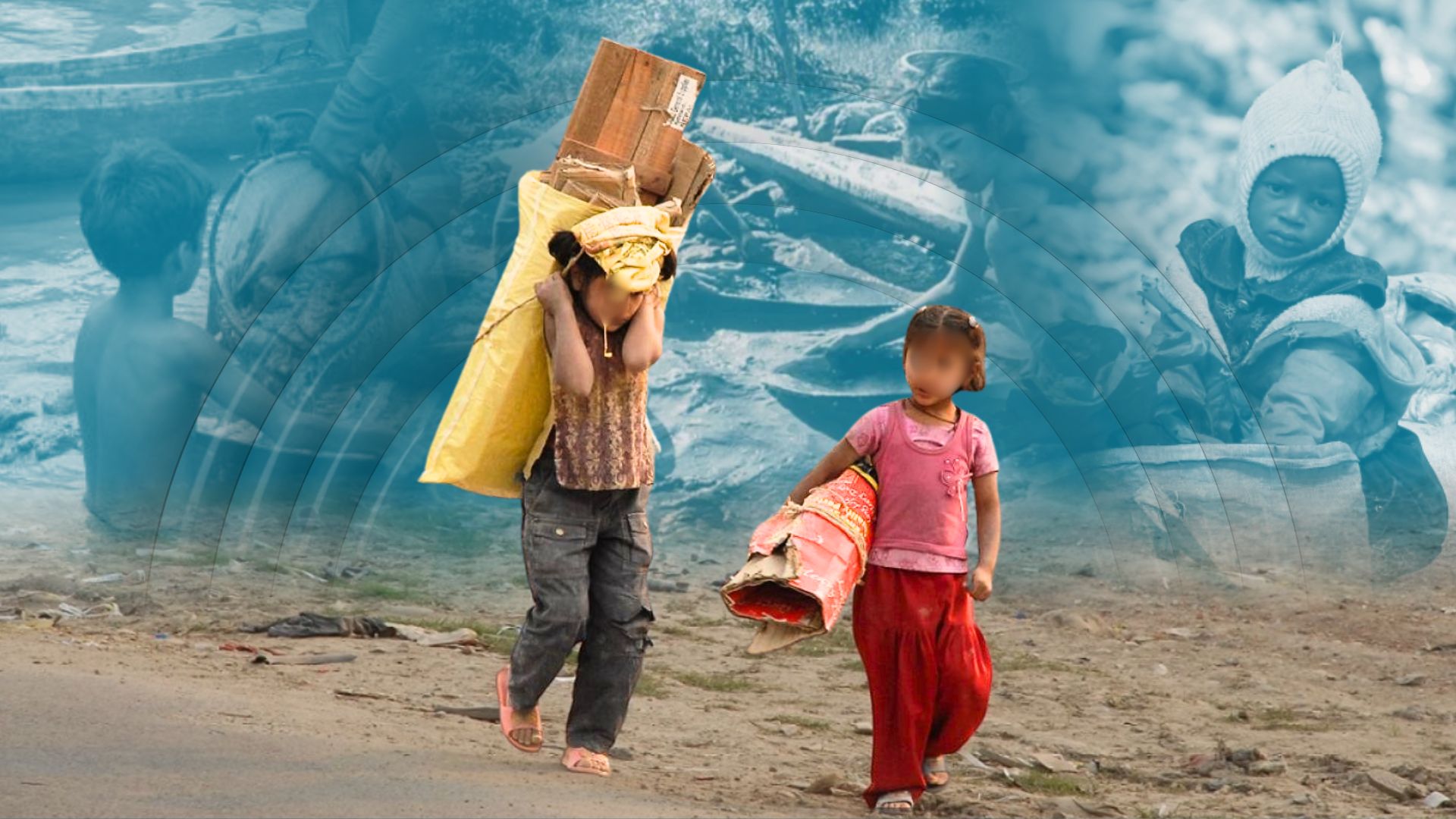
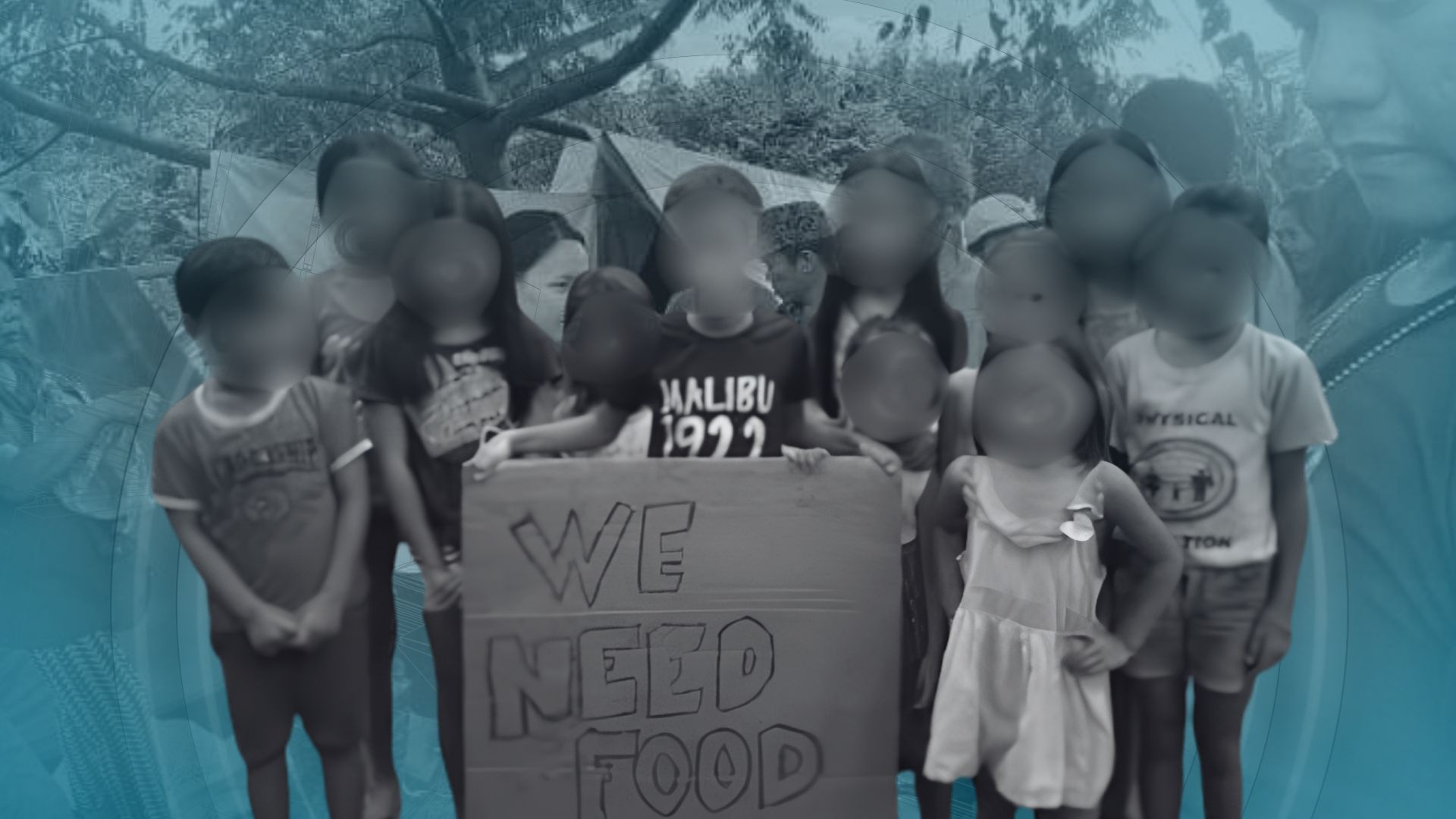
Child labor across Central Visayas continues to be an urgent public issue in sectors like farming, fishing, and construction despite a steep decline in regional cases over the past year.
Data from the Department of Labor and Employment (DOLE – 7) revealed that profiled child laborers dropped from 7,955 in 2025 to 1,856 as of May 2026.
Similarly, actively monitored cases decreased from 8,976 to 2,683 during the same period.
Speaking at a Kapihan sa PIA forum ahead of the World Day Against Child Labor, DOLE Administrative Officer III Roberto Cabardo noted that while the downward trend reflects effective interventions, the numbers remain high.
“Bohol naman lang ug Sugbo ang nalangkob sa Central Visayas pero take note, kanang 1,856 taas gihapon na. Maong we need a village to eradicate this,” Cabardo said.
(Only Bohol and Cebu are left comprising Central Visayas, but take note that 1,856 is still high. That is why we need a village to eradicate this.)
Regional demographics and case classification
Among the 1,856 profiled cases undergoing initial assessment, Cebu Province recorded the highest concentration at 975 children.
Bohol followed with 592 cases, while the tri-cities of Cebu, Mandaue, and Lapu-Lapu recorded 289 cases combined.
Out of the 2,683 cases under ongoing tracking, Cebu Province accounts for 1,218 children. The tri-city area holds 1,051 tracked minors, and Bohol monitors 414.
Gender demographics also showed that four out of every 10 child laborers in the region are girls. Females make up 790 of the profiled and 1,105 of the monitored counts.
Cabardo clarified that profiled cases involve verifying names, ages, and family situations.
In contrast, monitored cases undergo continuous follow-up assessments regarding family income and school re-enrollment until the case is officially closed.
Socioeconomic drivers and target interventions
Labor officials point directly to economic hardship as the primary driver forcing children out of classrooms and into the workforce.
“We are closely looking at areas in Region 7 with high poverty incidence because the primary reason children end up in these situations is poverty,” Cabardo explained.
Authorities observed that the specific type of work child laborers perform is largely driven by their surrounding environment and immediate living conditions.
Children are sent into deep sea fishing in coastal communities, construction and street vending in urban centers, and farming in rural zones.
Cabardo noted that the agency persists with focused interventions in high-risk areas alongside ongoing livelihood assistance for affected households.
DOLE provided in-kind livelihood assets, such as fishing boats and equipment, to 104 parents of child laborers in Malabuyoc, Cebu.
This reflected a broader national trend where Philippine Statistics Authority (PSA) data shows child labor cases declining from 828,000 in 2022 to 513,000 in 2024.
Despite this nationwide progress, Central Visayas historically retains a high 10 percent incidence rate.
Legal boundaries and enforcement mechanisms
The talks on child labor in the country are anchored on Republic Act No. 9231 or the Anti-Child Labor Law.
This law distinguishes permissible, age-appropriate “child work” from illegal, developmental “child labor.”
Under the law, minors aged 15 to 17 may work up to eight hours a day but are barred from night shifts. Meanwhile, children under 15 are restricted to a maximum of 20 hours per week.
Violators face fines between P50,000 and P300,000 and jail terms up to six years for non-hazardous offenses.
However, exploiting children in hazardous environments like mines or deep-sea operations carries a harsher penalty of 12 to 20 years of imprisonment and fines up to P1 million.
To strengthen rescue paths, Department of Social Welfare and Development (DSWD – 7) focal person Glenda Riel highlighted community-level reporting networks.
“Dako ta’g role as a community to save sa mga bata nga dili mahagbong sa any kind of exploitation or any kind of child labor,” Riel said, reiterating that children deserve to be safe, to learn, to play, and to dream.
(We have a big role as a community to save children from falling into any kind of exploitation or any kind of child labor).