







Now Reading: Davao commuters still struggle as traffic congestion persists
-
01
Davao commuters still struggle as traffic congestion persists
Davao commuters still struggle as traffic congestion persists

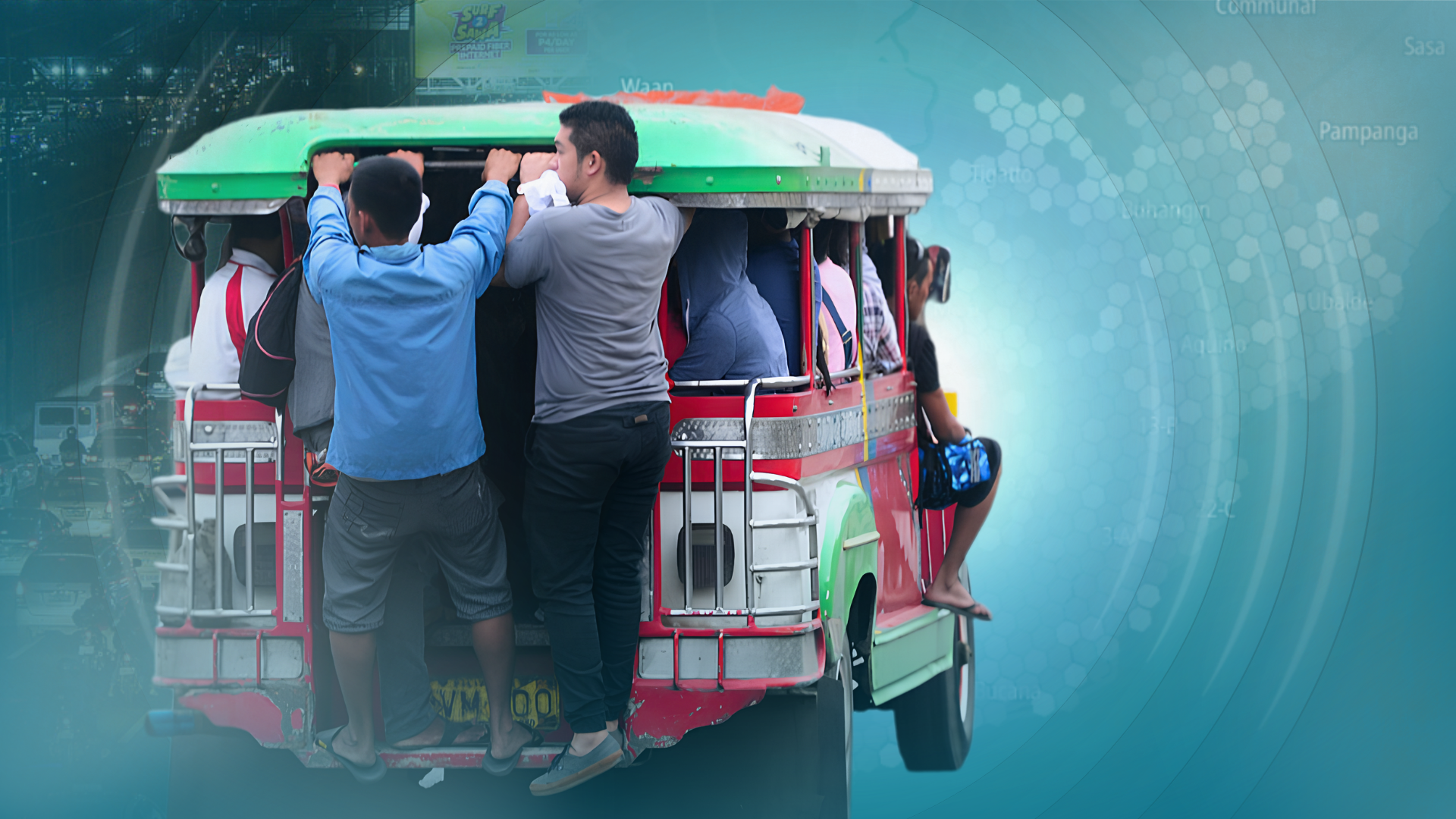
Commuters in Davao City continue to face heavy traffic conditions, with many saying daily travel remains time-consuming and exhausting despite ongoing discussions on improving road conditions.
On the ground, residents expressed dismay at the worsening traffic situation, particularly during peak hours.
“Traffic is really heavy, especially during rush hour. Sometimes it takes me a long time to get home from work,” Gab, a delivery rider in Davao, said in Cebuano.
For workers who rely on daily travel, the impact goes beyond inconvenience and affects their livelihood.
“It has a big impact because a lot of time is wasted on the road, and sometimes it even delays our income,” call center agent Grace said.
The situation reflects a broader concern among commuters who continue to experience delays, longer travel times, and increased transportation costs.
Supporting these experiences, data from the TomTom Traffic Index showed that Davao remains the most congested city in the Philippines in 2025.
The report recorded a 58.2% congestion level for the city, slightly higher than the previous year, with motorists losing an estimated 129 hours annually in rush hour traffic.
Manila, which ranked second on the list, recorded a slightly lower congestion percentage and 123 hours lost.
Globally, Davao placed among the worst-performing cities in terms of congestion, highlighting the scale of the problem beyond the local context.
Despite being outside the National Capital Region, Davao’s traffic situation shows that congestion is no longer limited to Metro Manila but is also affecting major regional urban centers.