





Now Reading: EDITORIAL | Lupang Hinarang
-
01
EDITORIAL | Lupang Hinarang

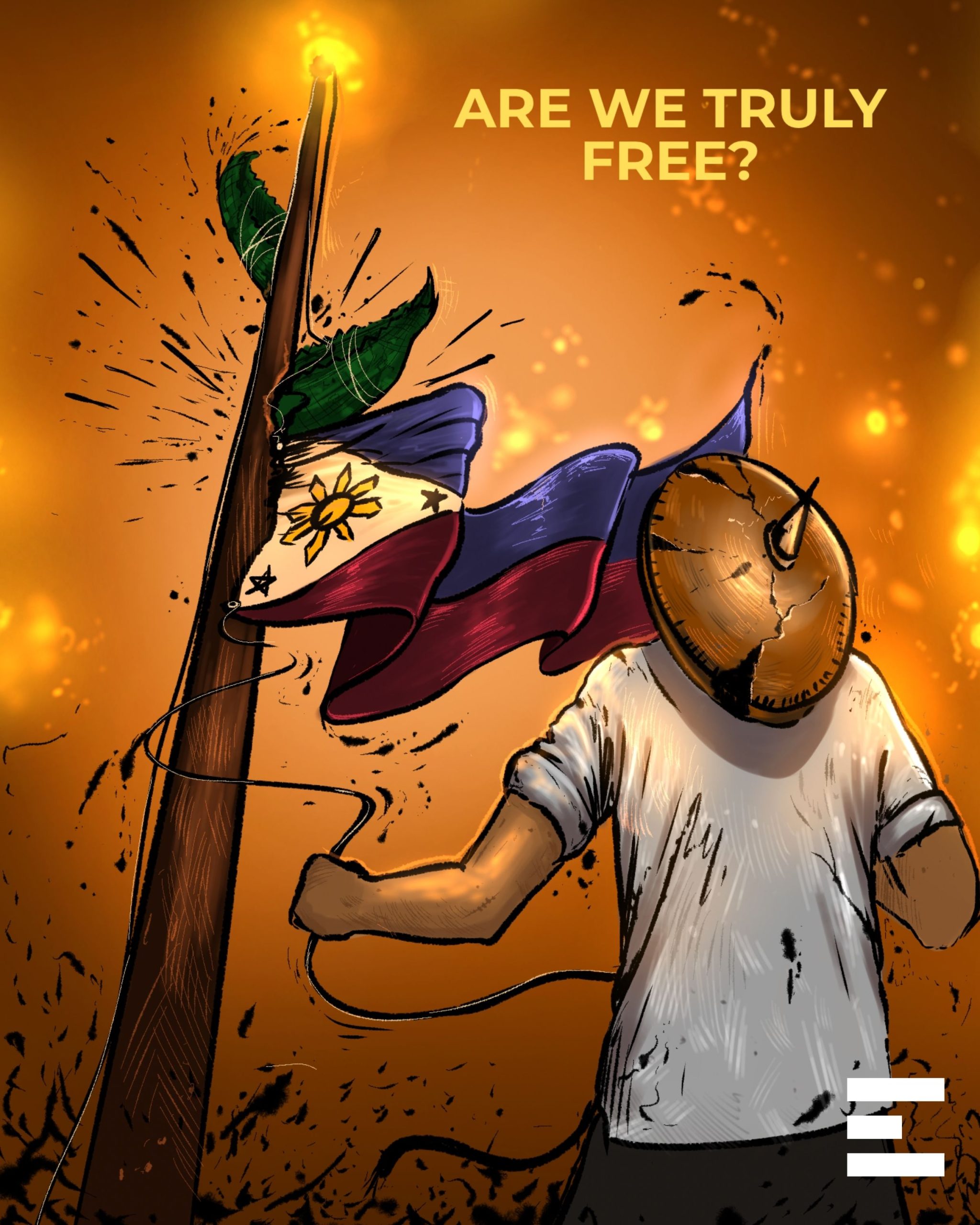
One hundred twenty-eight years after the flag was first raised in Kawit, the land once promised with liberation remains, in many ways, still restrained. The chains today are no longer foreign cannons, but internal burdens shaped by history, inequality, and systems that continue to bind the nation from within. The revolution that once thundered in Pugad Lawin has not disappeared; it has been softened over time, turned into ceremony, and at times reduced to symbolism rather than sustained conviction.
In this present reality, the country stands in a paradox of sovereignty. Independence exists in form, but its substance feels uneven in practice. While the nation is politically free, many remain economically constrained, socially divided, and institutionally challenged. Freedom is declared, but not always experienced. For countless Filipinos, it has become an ideal remembered in speeches and celebrations, rather than a reality felt in everyday life.
Bayang magiliw, perlas ng silanganan,
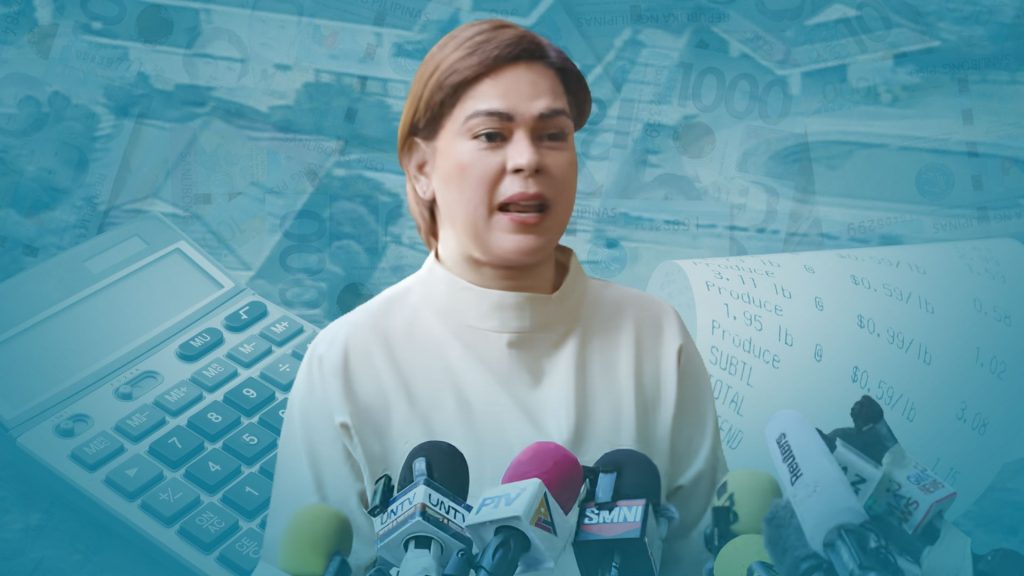
It is deeply ironic that this archipelago is prided as the Pearl of the Orient for its rich natural resources and strategic location but in reality, the luster of this pearl has long been tarnished for the millions of working-class Filipinos who break their backs every day. Their sacrifice is met with the harsh realities of inflation, a severe lack of decent jobs, and systemic government neglect.
Alab ng puso, sa dibdib mo’y buhay.
Jose Rizal once warned us about the tragic cycle where the slaves of today become the tyrants of tomorrow, and today we see the burning passion of the working class weaponized against them, as their endless resilience is used by the state as an excuse to avoid providing genuine systemic relief.
Lupang hinirang, duyan ka ng magiting,
History remembers this soil as the cradle of giants like Rizal, who wielded his pen to dismantle an empire, and Andres Bonifacio, who gave teeth to the revolution. They once envisioned a nation of free and thinking citizens. Today, that vision feels strained. We now live in a society where truth-tellers are red-tagged, journalists are silenced, and historical distortion rewrites the sacrifices of our heroes. The cradle of the brave has been retrofitted into a playpen for dynasties, where structural violence ensures that ordinary courage is met with swift, state-sanctioned retribution.
Sa manlulupig, ‘di ka pasisiil.
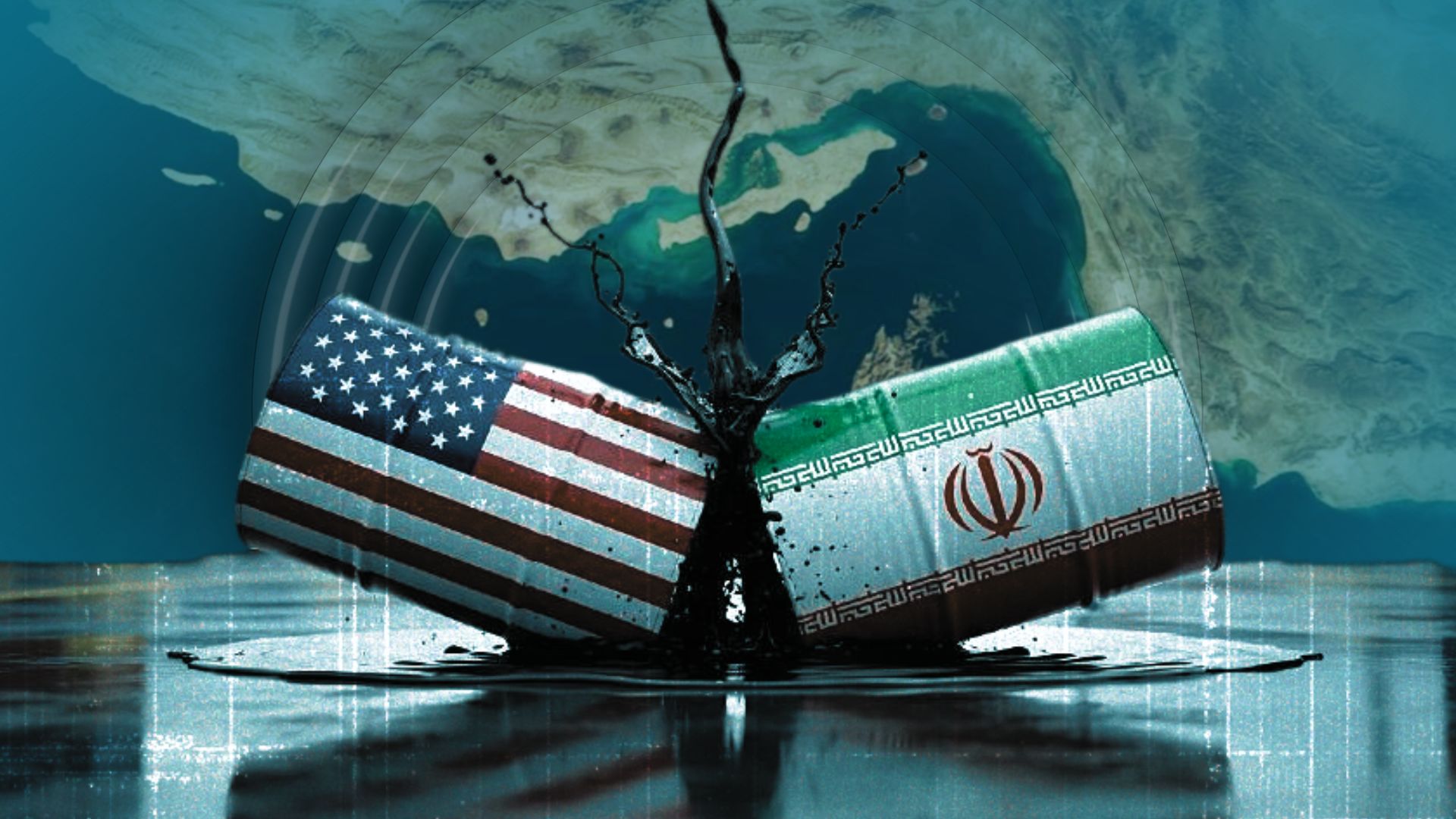
The invaders no longer wear iron armor or carry muskets. The contemporary oppressors wear expensive barongs and broker deals that compromise national interest. They are the foreign powers building outposts in our sovereign waters while our local leaders offer nothing but mild diplomatic protests. They are the corporate entities monopolizing basic utilities while inflation chokes the working class. We are conquered from within by an economic system that treats its own citizens as cheap, exportable commodities.
Sa dagat at bundok, sa simoy at sa langit mong bughaw,
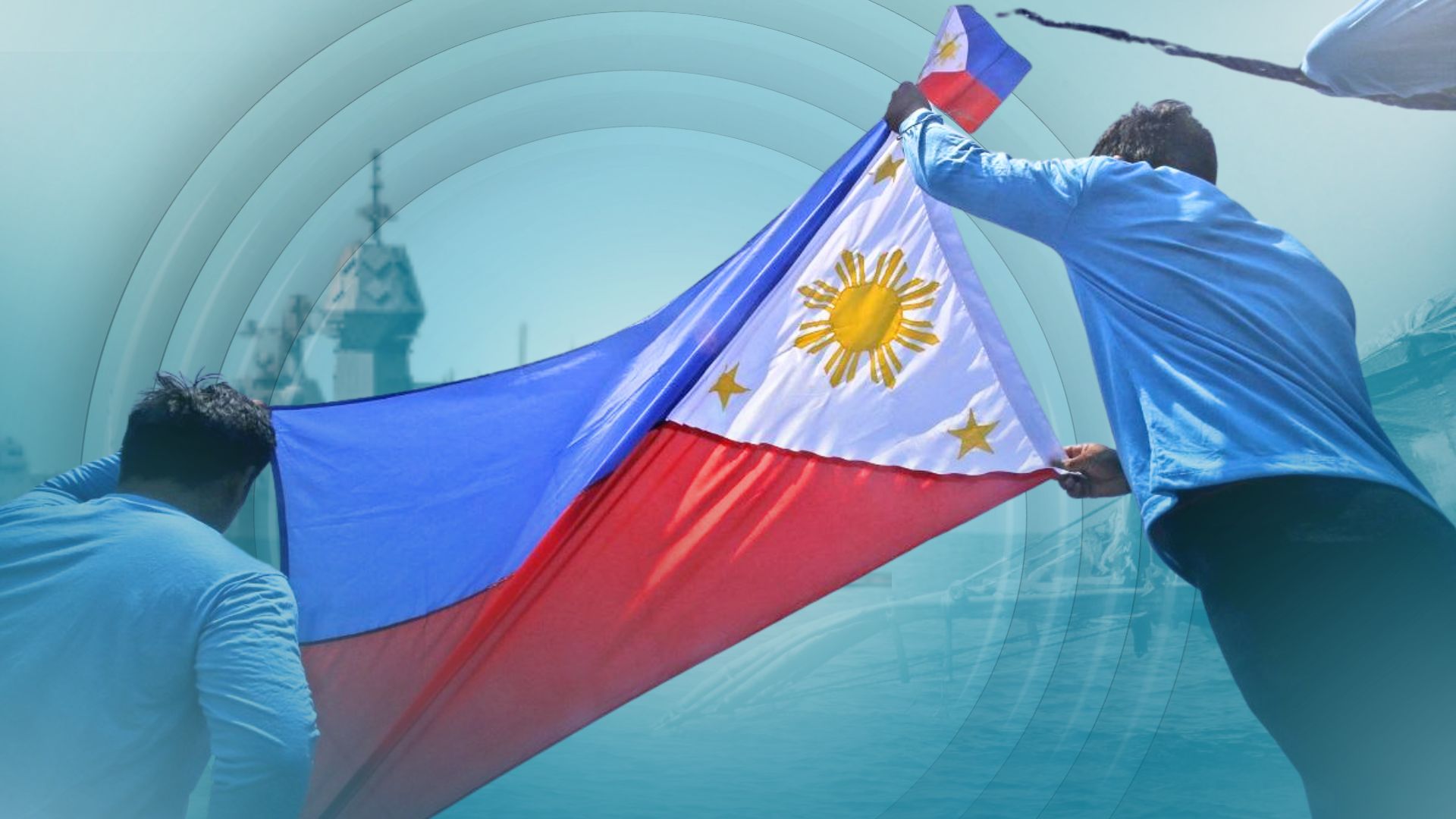
From the militarized waters of our western seas where local fishermen are chased away from their own traditional fishing grounds, to the ancestral mountains torn apart for foreign mining corporations, our physical geography is being systematically carved up and bartered away.
May dilag ang tula at awit sa paglayang minamahal.
The grand narratives of our textbooks are losing their resonance in an era dominated by state-sponsored historical distortion, where social media algorithms are engineered to make the public forget the atrocities of past dictatorships and praise the architects of their current misery.
Ang kislap ng watawat mo’y tagumpay na nagniningning;
The shining triumph seems reserved only for billionaires who continue to accumulate wealth amid an ongoing economic crisis. For the working masses, the three stars and the sun have become less a symbol of victory and more a reminder of centuries of endurance and a daily struggle to survive, to silence the hunger that never truly leaves the stomach.
Ang bituin at araw niya kailan pa ma’y di magdidilim.
The promise of freedom remains luminous, yet its light must be felt by all, not merely by a privileged few. True liberty is not confined to a date in the calendar, nor reduced to ceremonial remembrance; it is a living condition that enables every citizen to live with dignity, security, and hope.
Lupa ng araw, ng luwalhati’t pagsinta, buhay ay langit sa piling mo;
This land, though deeply and fiercely loved, continues to wound the very people who sustain it. Agrarian workers still face violence and death while asserting rights to land long promised under law. Urban laborers remain trapped in wages that fail to meet the cost of living. The passion we feel for our homeland is met with bureaucratic coldness, forcing our brightest minds and bravest souls to seek refuge in foreign lands just to secure a dignified future.
Aming ligaya na pag may mang-aapi, ang mamatay nang dahil sa’yo.
The real struggle for liberation has not ended because independence was declared. It continues because freedom must be lived, not merely inherited. The Philippines is no longer simply a land that was once colonized. It is a country still negotiating the meaning of its own freedom, between memory and reality, between promise and practice, between a flag raised long ago and a nation still striving to stand fully beneath it.
The new KKK of this era no longer stands for the revolutionary Katipunan. It has mutated into corruption, colonial dependency, and chronic poverty, three intertwined forces that no longer arrive by invading fleets, but by entrenched systems embedded within governance, markets, and even culture. Where once the struggle demanded resistance against a visible empire, today demands confrontation with invisible structures that reproduce inequality from within.
As long as the national treasury remains a private banquet for the corrupt elite, and as long as governance prioritizes dynastic self-preservation over public welfare, the Lupang Hinirang will fundamentally remain a Lupang Hinarang—a captive nation confined to its own backyard, bleeding under the whip of its own sons.
Are we truly free and independent if that freedom is not felt by the very people in whose name it is declared?