









Now Reading: Famished Liability
-
01
Famished Liability

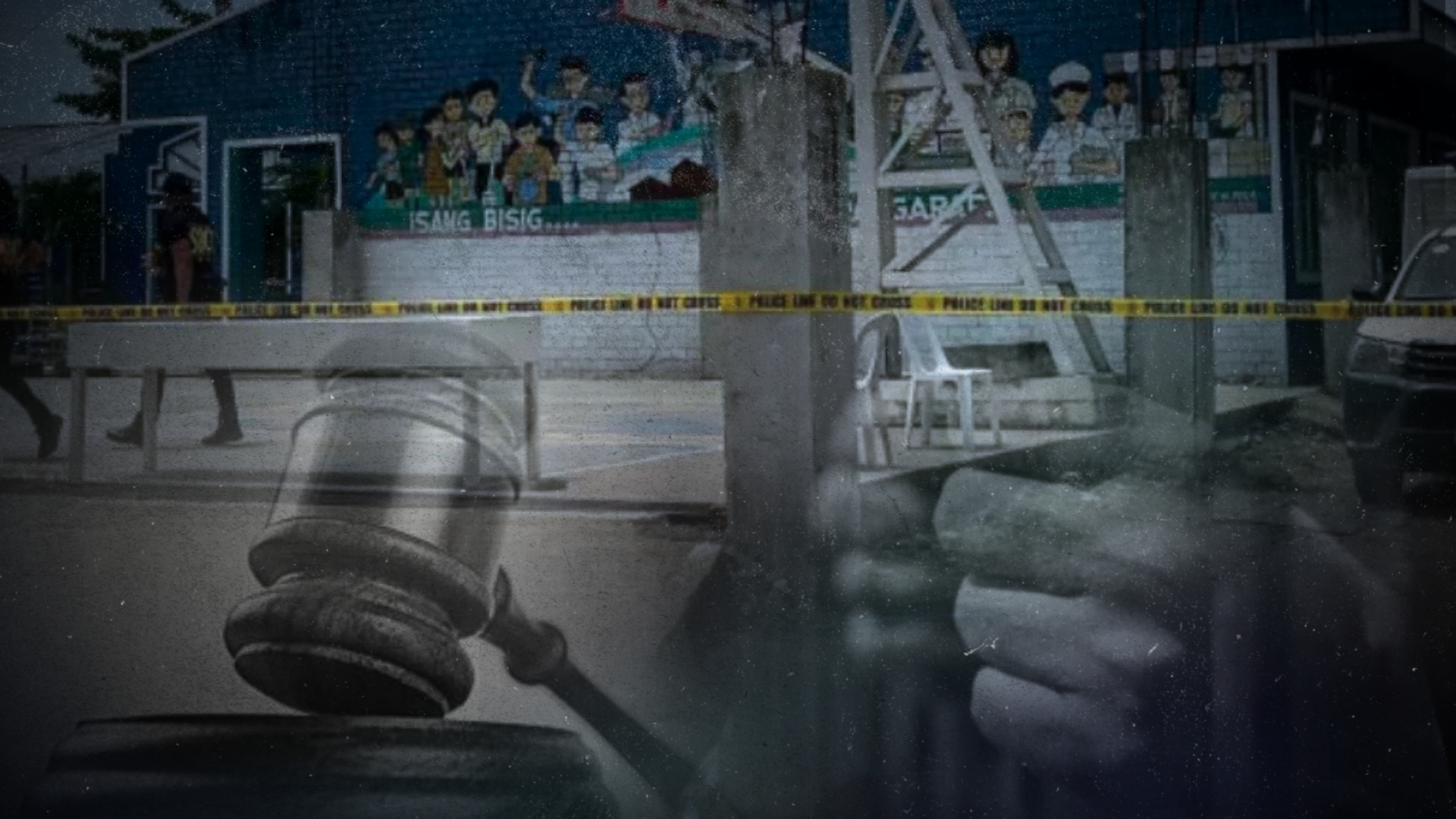
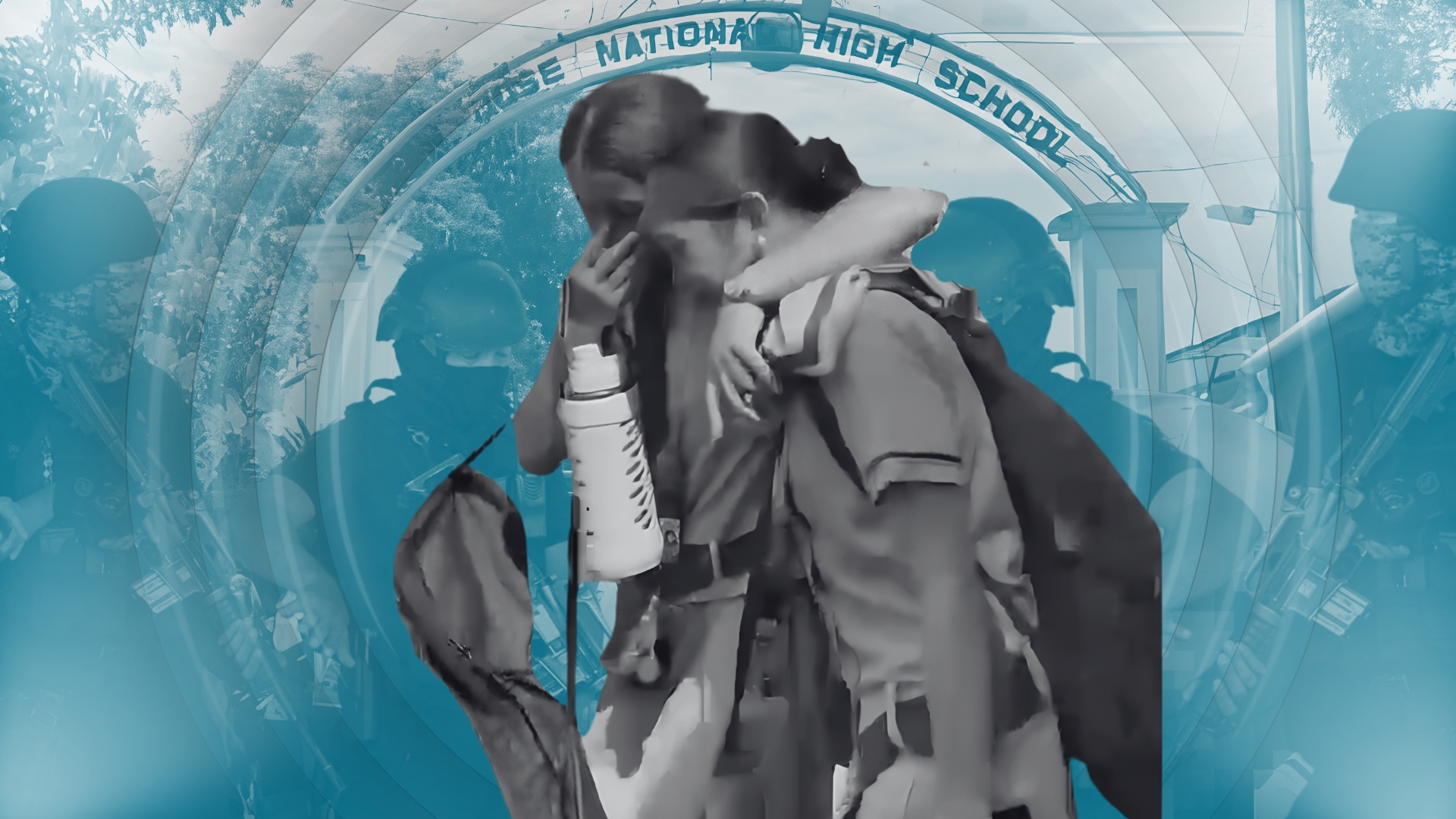
Juvenile offenses now undoubtedly stay atop negligent conduct among Filipino youth, wreaking havoc for many as the law abides for the offenders instead. This stands as three students were killed while seven were simultaneously wounded in a shooting at San Jose National High School in Tacloban City. Leaving the victims at a loss.
The Philippines’ crippling justice system continues to shield the suspected student gunmen, aged 14 and 15, by invoking Republic Act 9344, or the Juvenile Justice and Welfare Act of 2006, as a rose-tinted excuse for their inhumane actions. Such cover-ups call for the fervent amendment of such laws, as it diminishes the injustice many face due to unfounded liability. Ultimately, it is a systemic failure that turns the blame over to vulnerable children.
On the contrary, the minors’ actions stem from an underlying issue involving their personal experiences. The root causes primarily involve bullying, mental health problems, or revenge. This is evident in the recent incident in Bethel Academy of General Trias, Cavite, where an eighth grader stabbed seven Grade 5 pupils out of vengeance for her sibling who had been previously bullied. Thus, holding minors responsible for their actions should not be limited those aged 16 and above.
Furthermore, as the Philippines remains an overly conservative nation, criminal liability for minors is continuously viewed as taboo. With Senator Robin Padilla proposing Senate Bill No. 372—seeking to lower the threshold to 10 years old pans evident at first glance, though it is bound to nothing but additional ruckus as Padilla’s ideologies only consist of comparing modern youth to what they were before, dismissing the root causes of delinquency without deterring the crime. According to Raymund Narag, consultant for the Bureau of Corrections, exposing children to criminal responsibility may encourage them to “criminogenic thinking,” sanctioning their indocrination into immoral ideologies alongside hardened criminals. A research by the Psychological Association of the Philippines (PAP) shows that adolescents are more prone to making reckless decisions, thus making them the perfect victims for coercion and manipulation.
Likewise, as juvenile delinquents are met with their due consequences, this does not call for punitive correction through instant punishment. Rather, they who require disciplined rehabilitation processes should be given personal meetings with key figures in their lives, such as parents, guardians, and counselors. Daily therapy and community work address their needs for social interaction and also bridge the gap between communication and correction.
Moreover, these offenses are perpetuated by outdated laws and the severe lack of systemic reforms in the nation, resulting in passivity. This is made evident by only 118 Bahay Pag-asas, correctional facilities for juvenile offenders, being operational nationwide, failing to meet their rehabilitation needs. In recent years, youth crimes have escalated—from the shooting in Tacloban City, to the stabbing of an 11th grader in Cavite City, to the knife attack at General Trias, Cavite. As these cases arise, solutions remain nowhere to be found, presenting an alarming future for the youth of this nation. If justice remains limited to punishment for juvenile delinquents, this will only strengthen their criminal mentalities. It is but a facade to conceal the nation’s overcrowded facilities, limited correctional services, and flawed and unjust system.
In addition, the backgrounds of underage perpetrators play a major factor in crimes they commit. Shirley Pascual Ayeo-eo, a researcher from the Nueva Ecija University of Science and Technology, revealed that themes of poverty, peer pressure, financial struggles, and abuse recur in juvenile delinquencies. For instance, due to the convenient and easy money-making process it presents itself as to children, these petrifying roots soon succumb to the latter being manipulated as drug traffickers due to their age, and RA 9344 enables them not to be subject to instant imprisonment. Children in Conflict with the Law (CICL) were also found to be mostly from poor families, as stated by Superintendent Angela Rejano of the PNP in 2019, further proving that unmet financial needs drive offenders to crime.
The bottom line is that CICL does not require harsh punishment. It is instead high time for law reforms and correctional facilities to be established. The Philippine National Police (PNP), alongside the general public, must end discrimination against juvenile offenders, as prior imprisonment without policies first will only end up in the heightening of constant outlaws. Additionally, law enforcement should not demand mindless obedience, and transparent binding verdicts recognized by citizens are necessary for public order.
Meanwhile, the Congress and the Department of Education (DepEd) must update exisiting laws to prevent systemic circumvention and prioritize building facilities for juvenile offenders, while the DepEd integrates awareness and intervention programs in the earlier stages of development. Lastly, the Department of Social Welfare and Development (DSWD), in collaboration with the National Bureau of Investigation (NBI), must stringently investigate the backgrounds of CICL to trace the roots of their offenses to influential figures in their lives, such as their parents, environments, and financial standings.
With ignorance constantly encouraging CICL, the systemic injustice inflicted upon them results in nothing but famished liability.