










Now Reading: LGBTQIA+ ≠ HIV
-
01
LGBTQIA+ ≠ HIV

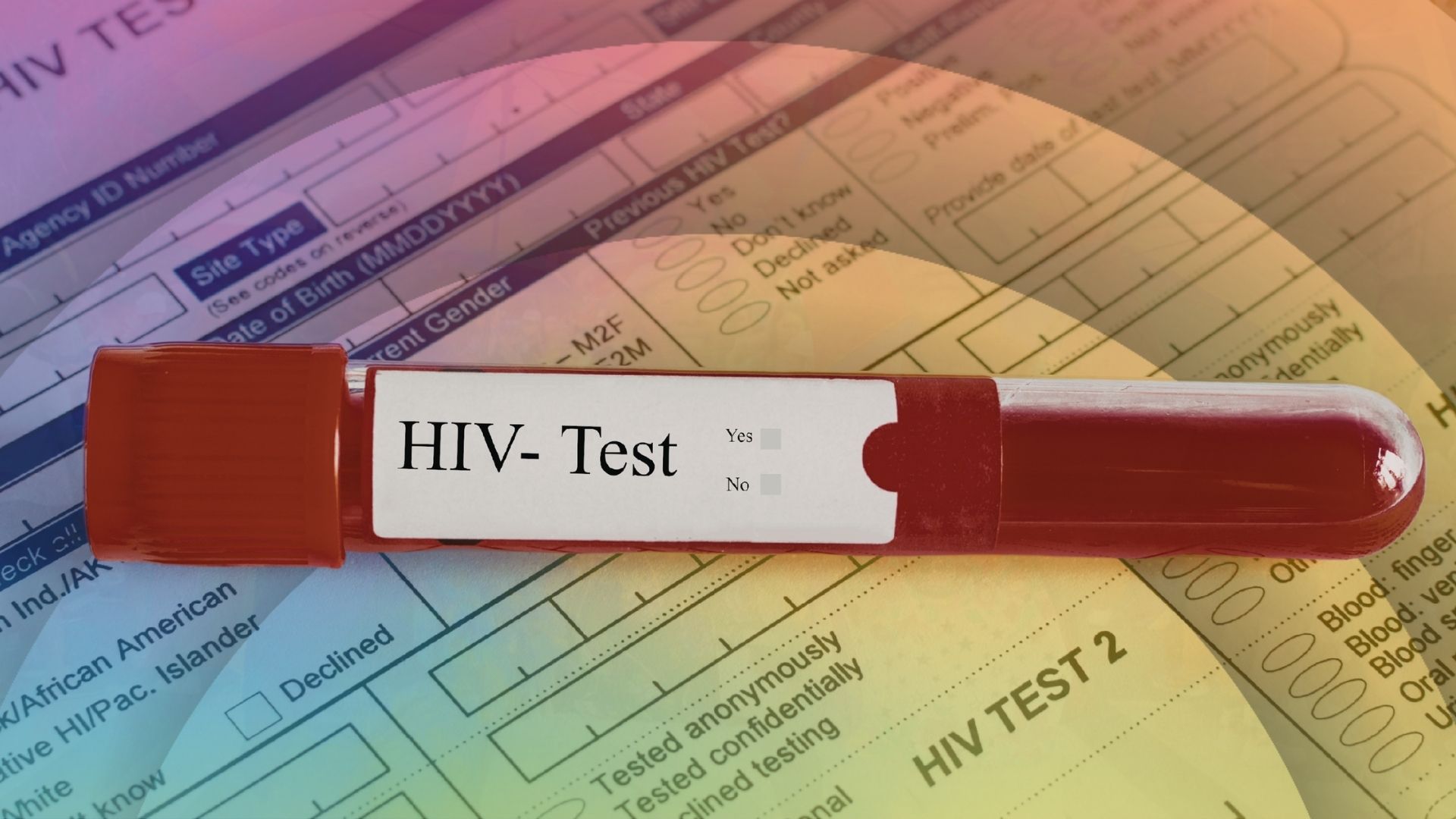
How HIV became a ‘gay disease’—and why that’s wrong
For decades, sexually transmitted diseases (STDs), usually Human Immunodeficiency Virus or also known as HIV has been wrongly associated with the LGBTQIA+ community, despite not having any inherent link between sexual orientation and how the disease is transmitted.
Yet, despite major advancements in science and sex education, the stereotype remains persistent up to this day—bringing discrimination, misinformation, and fear.
The reality is far simpler than that, HIV is not and should not be determined by a person’s sexual orientation or identity.
Why is HIV misidentified as a ‘gay disease’?
The stigma traces back to the early years of the HIV/AIDS epidemic in the 1980s.
When the U.S. Center for Disease Control (CDC) published the first known HIV cases in their country; five gay men were the reported patients. Because scientists were still learning about the virus, media institutions initially framed the disease that mainly affected homosexual people, naming it Gay-Related Immune Deficiency (GRID).
This early narrative led to harmful labels such as the “gay plague”, creating the false impression that HIV was inherently linked to being gay rather than to modes of transmission.
Over time, research proved that HIV was found among people of different genders, sexual orientations, races, and nationalities worldwide. Scientists learned that HIV spreads through exchange of certain bodily fluids—commonly through unprotected sexual contact, reusing of needles, and mother-to-child transmission during birth.
HIV doesn’t target any gender
One of the biggest misconceptions about HIV is that being part of the LGBTQIA+ Community automatically means that a person is more likely to contract the virus.
Science does not support this claim.
To visualize, a straight person can easily get HIV from unsafe sex. Meanwhile, a heterosexual or gay who consistently practices safe sex, regularly gets tested, and has preventive measures may never be infected.
Public experts explain that risk is shaped by factors such as inaccessibility to contraceptives, HIV testing, and inadequate sex education—not by sexual orientation itself.
While some demographics may statistically experience higher infection rates, it should not be confused with biological susceptibility. Higher cases often reflect social and structural factors, including healthcare access, stigma, and gaps in sexual health education.
The ‘gay disease’ stigma
In the Philippines, a significant proportion of HIV cases are related among men who have sex with men (MSM). Studies show that male-to-male sexual interactions account for a large share of the virus contraction.
However, people often mistakenly interpret this statistic as proof that HIV is a ‘gay disease’.
That conclusion is inappropriate.
Public health researchers use the term MSM to describe behavior, not identity. Not all MSM identify as gay, and not all gay people engage in the same sexual behaviors.
More importantly, statistics describe where infections are occurring, they do not explain any reason why such things happen—hence, it should not be a reason to discriminate against someone.
Reducing the issue to “because they are gay” ignores the actual causes and solutions.
A weapon versus a community
Unfortunately, HIV continues to be used to be weaponized against LGBTQIA+ members.
For other people, rising HIV cases become a justification for homophobic beliefs. LGBTQIA+ members are often portrayed as irresponsible, immoral, and solely responsible for the spread of the virus.
The framing against them is scientifically incorrect and socially harmful.
Researchers have documented how HIV stigma often overlaps with prejudice against one’s sexuality. Many LGBTQIA+ Filipinos living with HIV report experiencing discrimination rooted in ideas about sin, immorality, and “dirty” lifestyles.
Instead of encouraging people to test and seek treatment, they create fear through stigma. People may avoid HIV clinics, delay testing, or hide their status because they fear judgment from friends, family members, and even healthcare professionals. Ironically, the very stigma used to “fight” HIV often makes the disease harder to address.
Locally persistent when it shouldn’t
Filipino customs and beliefs add another layer to the issue.
The country remains deeply influenced by conservative and religious values. Discussions about sex, sexuality, and reproductive health are often considered taboo, especially within families and schools. As a result, many Filipinos grow up with little to no knowledge about HIV prevention, safe sex practices, and LGBTQIA+ experiences.
Some people still view HIV as a punishment for “immoral” behavior rather than as a medical condition that can affect anyone at any time.
This kind of environment also contributes to gaps in comprehensive and inclusive sex education. While students may learn basic reproductive health concepts, discussions about same-sex relationships, HIV prevention for LGBTQIA+ individuals, and sexual health diversity are often limited or absent at times.
Many Filipinos only encounter information about HIV through social media, sensationalized headlines, or word of mouth—sources that can sometimes be easily altered and reinforce stereotypes instead of correcting them. Discussions among Filipinos online frequently point to the lack of comprehensive information and persistent stigma as major barriers to HIV prevention and awareness.
Facts over fears
The fight against HIV requires accurate information rather than blame.
HIV should not be associated with anyone. It is a virus, not a moral judgment, a consequence of wrongdoing, or basis of a person’s worth. Associating the disease with an entire community only fuels discrimination and discourages people from accessing life-saving healthcare.
If there is one thing that should always be emphasized, it is that HIV can target anyone.
And everyone deserves access to facts instead of fear.
Breaking the stereotypes does not mean ignoring the realities of the HIV epidemic. It just needs to be understood correctly—through science, compassion, and that it is not a ‘gay disease’.