









Now Reading: Marcos eyes conditional fuel excise tax cut amid oil market instability
-
01
Marcos eyes conditional fuel excise tax cut amid oil market instability
Marcos eyes conditional fuel excise tax cut amid oil market instability

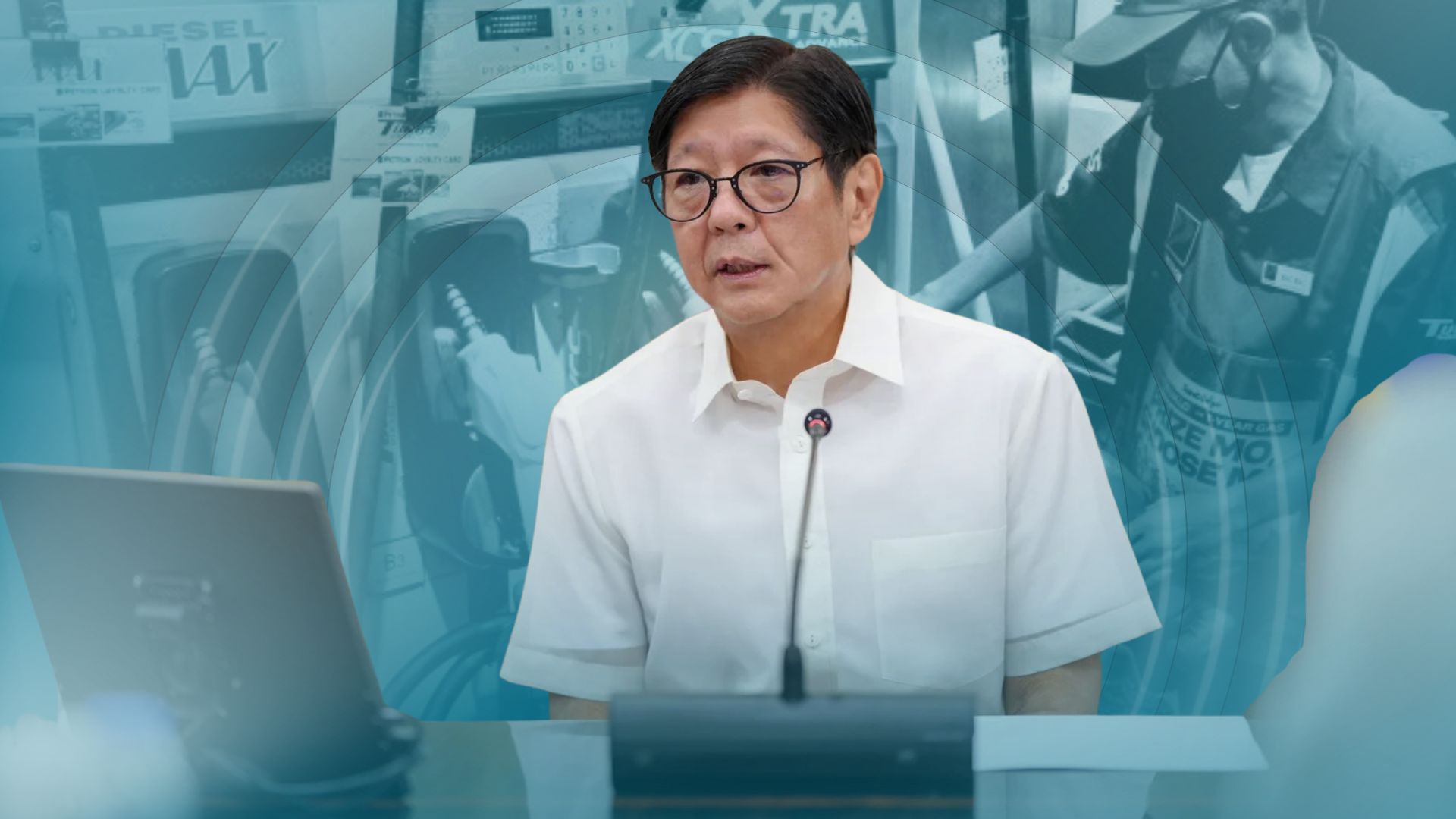
President Ferdinand Marcos Jr. has pushed for a conditional mechanism to cut fuel excise taxes once global oil prices breached a defined threshold, seeking authority from Congress to respond more quickly to potential fuel price shocks amid continued volatility in the international oil market.
In an interview on March 11, Marcos said that the proposed measure would allow him to exercise emergency powers if the average price of Dubai crude oil reached USD80 per barrel for at least one month, a trigger point the administration proposed before any tax relief could be implemented.
“It’s very, very simple. What we ask of the legislators is very simple. It’s that when the price of oil…has breached USD80 per barrel on average for a month, then the emergency powers can be exercised,” Marcos said.
Marcos clarified that exceeding the price threshold would not automatically result in a tax cut, but would instead grant the executive branch the authority to suspend or reduce excise taxes if economic conditions warranted it.
The proposal formed part of a bill under deliberation in Congress that would authorize the President to temporarily suspend or reduce fuel excise taxes during economic emergencies.
“Because there’s no point of declaring it as urgent before the committee report has been completed,” Marcos said as he intended to only certify the measure as urgent once committee reports from both chambers were finalized.
Lawmakers had weighed the potential benefits of suspending the excise tax against the possible fiscal impact where it estimates the Philippines could lose around ₱136 billion in revenue in 2026 if the tax suspension began in May.
The fuel excise tax was introduced under the Tax Reform for Acceleration and Inclusion (TRAIN) Law, which raised duties on petroleum products to fund infrastructure and social programs.
Temporarily suspending the tax had previously been floated by policymakers whenever global oil prices surged.
Marcos also assured the public that the country’s fuel supply remained stable, noting that additional shipments were already on their way to the Philippines.
“In terms of supply, we are in good shape and not only do we have inventory in the Philippines, we also are waiting (for) some supplies…that are in transit,” he said.
The government also monitored shipping routes passing through areas affected by geopolitical tensions, which could potentially disrupt global oil deliveries.
Marcos acknowledged that the duration of these tensions remained uncertain, prompting the administration to explore alternative suppliers.
“Naghahanap tayo ng…[makapagbibigay] ng supply sa atin, kabilang ang mga bansang hindi natin karaniwang binibilhan ng langis,” he said, expressing hope that new agreements with other oil-producing countries could help secure additional fuel stocks.