









Now Reading: Most OVP confidential funds recipients not in records; some matched to kids, deceased—PSA
-
01
Most OVP confidential funds recipients not in records; some matched to kids, deceased—PSA
Most OVP confidential funds recipients not in records; some matched to kids, deceased—PSA

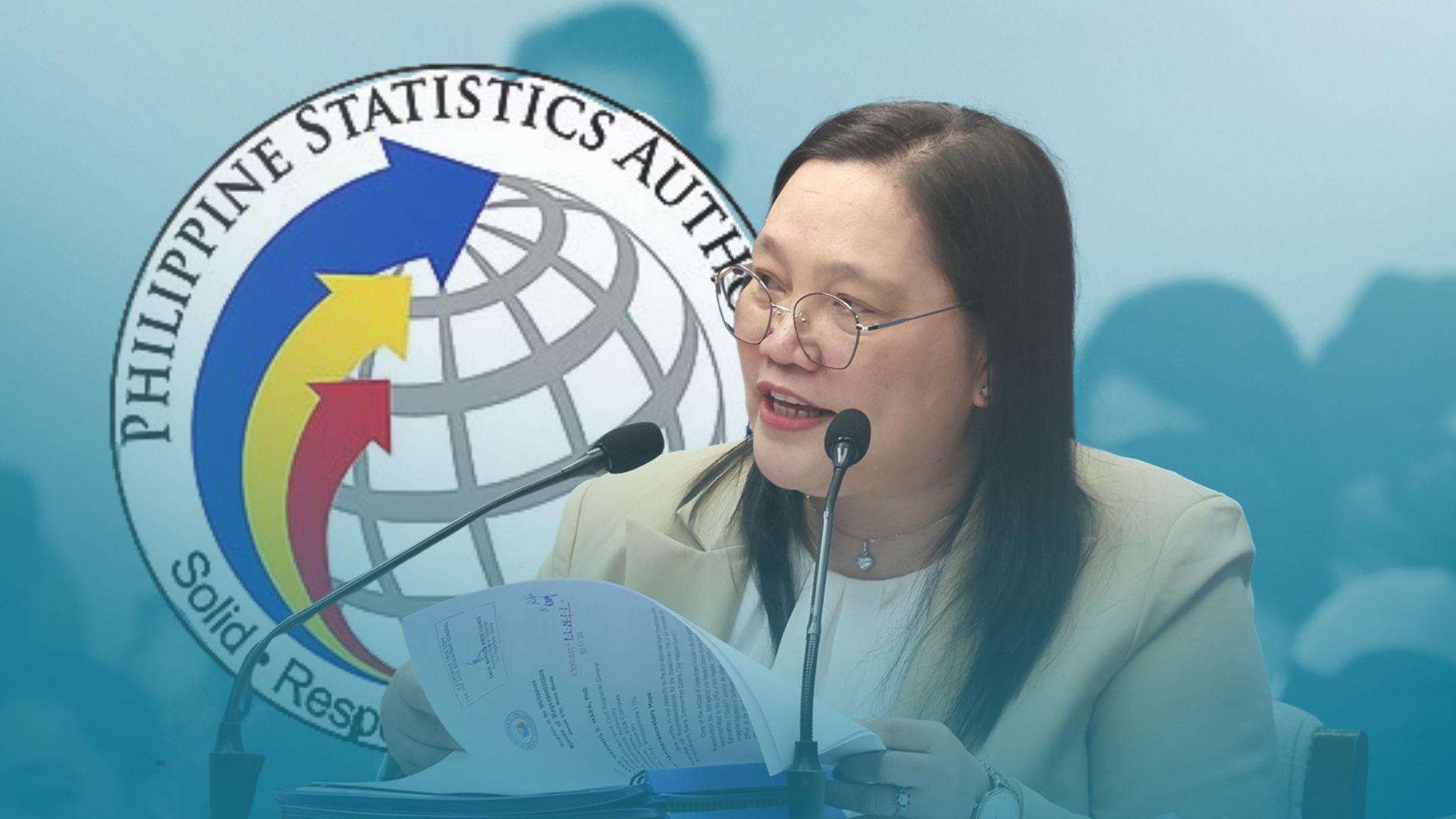
The Philippine Statistics Authority (PSA), on Monday, reiterated that the majority of the alleged recipients of the Office of the Vice President (OVP) and the Department of Education (DepEd) confidential funds have no entry on the Civil Registry System (CRS).
According to a report by PSA official Marizza Grande via prosecutor Atty. Mae Divinagracia, out of 2,669 signatories of both OVP and DepEd liquidation documents, 1,685 of which have no birth, marriage, and death records.
Meanwhile, 152 of the given list had a single-matched entry on the CRS, 37 of which were already dead, and 25 were birthdays, indicating that they are under 16 years old.
“In short, confidential funds were liquidated in the names of the non-existent, the long dead, and children,” Divinagracia attested.
Behind Mary Grace Piattos
Among the given list, the infamous “Mary Grace Piattos” is one of the non-existent recipients as per the CRS records.
Piattos has been flagged by the House’s investigation as the name appeared to be a combination of a restaurant chain and snack brand, “Mary Grace” and “Piattos,” respectively.
“What’s important is that according to PSA records, she doesn’t exist. It’s difficult to find someone who does not exist,” said prosecutor spokesman Zia Alonto Adiong.
In response to this, Duterte’s defense counsel Justin Nicol Gular, for the first time, claimed that the given names were aliases.
Gular also contended that PSA does not maintain a repository of aliases used in confidential operations, highlighting the database’s coverage limitations.
Incomplete entry on PSA database
VP Sara Duterte’s defense argued that not all births and deaths are registered in the CRS.
“So you can confirm that it is possible that a certain birth did in fact occur but it is not registered in the CRS database?,” Gular asked Grande.
Grande then responded that there are births, deaths, and marriages that are not registered, citing that registration is not universal.
The PSA official, however, said that 97-97.1 percent of Filipinos’ births have been registered as of 2024, where the 3% deficit is mainly from indigenous people, Muslim Filipinos, and those who reside in remote areas.