









Now Reading: Prosecution demands accountability, defense questions constitutionality as VP Duterte impeachment trial convenes
-
01
Prosecution demands accountability, defense questions constitutionality as VP Duterte impeachment trial convenes
Prosecution demands accountability, defense questions constitutionality as VP Duterte impeachment trial convenes

MJ Farrley Ong
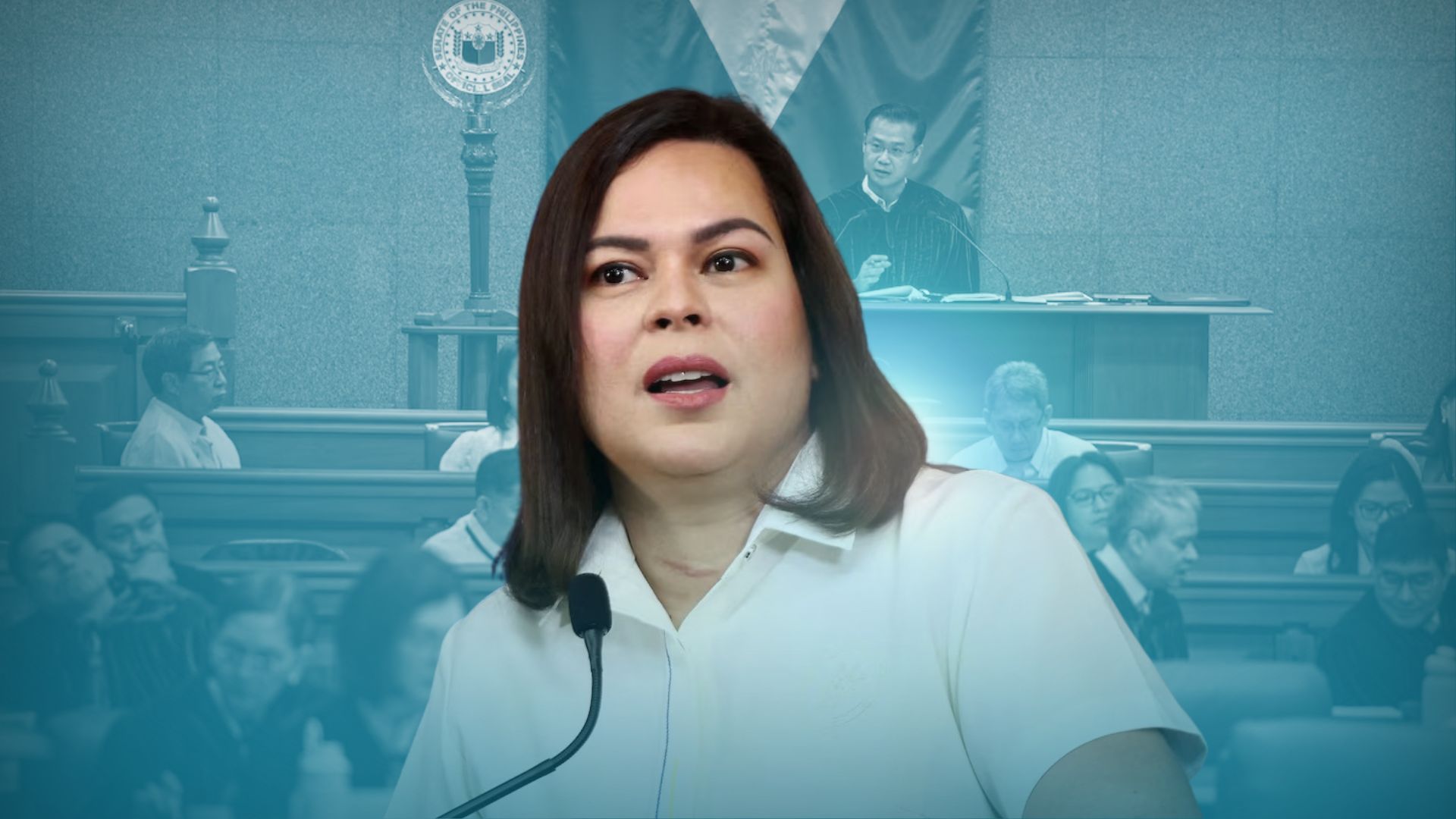
Vice President Sara Duterte’s impeachment trial formally commenced Monday, July 6 before the Senate, with prosecutors framing the proceedings as a matter of accountability to the public, while the defense questioned the constitutionality of the impeachment process.
Leading the House prosecution panel, Representative Gerville Luistro said the case is ultimately about accountability, stressing that no public official is above the law regardless of position.
“This impeachment trial is about accountability. Regardless of who we are or what position we hold, everyone must answer for their actions under the law.” Luistro said during her opening statement.
Meanwhile, Duterte’s defense team, argued that the impeachment proceedings must comply with the Constitution, insisting that the trial should be based on due process rather than political considerations.
“The impeachment process must always be anchored on the Constitution— not on the will or preference of a few,” the defense panel argued during the proceedings.
The defense also questioned the documents included in relation to notices of disallowance issued by the Commission on Audit, arguing that they do not, by themselves, establish wrongdoing.
The Senate emphasized that all documents and testimonies that can be used as evidence must first undergo judicial scrutiny before being admitted, with rulings to be based on the Constitution, impeachment rules, and applicable laws rather than on the preference of either party.
The prosecution is set to present evidence under four Articles of impeachment, such as the alleged grave threats, misuse of confidential funds, bribery, and unexplained wealth.
Impeachment court lays down trial procedures
To streamline the proceedings, the impeachment court adopted a five-day witness disclosure rule requiring the prosecution and the defense to submit the list of witnesses they intend to present at the following week, at the end of each trial week. The measure aims to allow subpoenas to be issued early and prevent delays.
The court also ordered a sealed box of records from the Bureau of Internal Revenue be returned unopened to the agency without prejudice to future motions seeking its production. The defense confirmed that no subpoenas have yet to be received for its witnesses.
During the proceedings, Senate President Sherwin Gatchalian said trial records, including pleadings, annexes, and admitted evidence, would be made accessible to the public through the Senate website.
He noted that uploading of documents has already begun, although the official journal will only be posted after receiving approval from the impeachment court due to the volume of records.
Senator Bam Aquino sought clarification on when the public could access the documents, prompting Senate President Gatchalian to explain that uploads would continue in real time as processing of more than 10,000 pages are still in progress.
Senate weighs participation, public access
Questions were also raised regarding the participation of senators facing separate legal proceedings, including Senator Rodante Marcoleta. Senator Alan Peter Cayetano said discussions were ongoing with the courts to determine whether they are able to continue their duties as senator-judges.
Meanwhile, Senator Raffy Tulfo proposed allowing the proceedings to be televised to promote transparency, while Senator Robin Padilla expressed support for allowing the public to attend as observers rather than monitoring the trial remotely.
Political analyst Richard Heydarian Tupas noted that the impeachment proceedings carry significant political implications as well, particularly as VP Duterte remains among the leading figures being discussed for the 2028 presidential elections.
The impeachment court adjourned its first day of proceedings at 5:12 p.m. and is scheduled to resume at 2 p.m. on Tuesday, June 7.