







Now Reading: War-driven price surge pushes peso buying power to record low
-
01
War-driven price surge pushes peso buying power to record low
War-driven price surge pushes peso buying power to record low


The purchasing power of the Philippine peso falls to a record low of 75 centavos in March 2026, Philippine Statistics Authority (PSA) reports, as rising inflation driven by Middle East conflict weakens the value of money.
PSA released the data on April 7, 2026, showing the lowest recorded buying power based on 2018 prices.
National Statistician Claire Dennis Mapa said that one peso in 2018 is now equivalent to only 0.75 peso in March 2026.
He explained that this decline means P1,000 in 2018 now has the same purchasing capacity as P750 today.
He stated, “The purchasing power of the Philippine peso is inversely related to inflation rate.”
The report showed that inflation rose to 4.1% in March 2026, the highest level in 20 months.
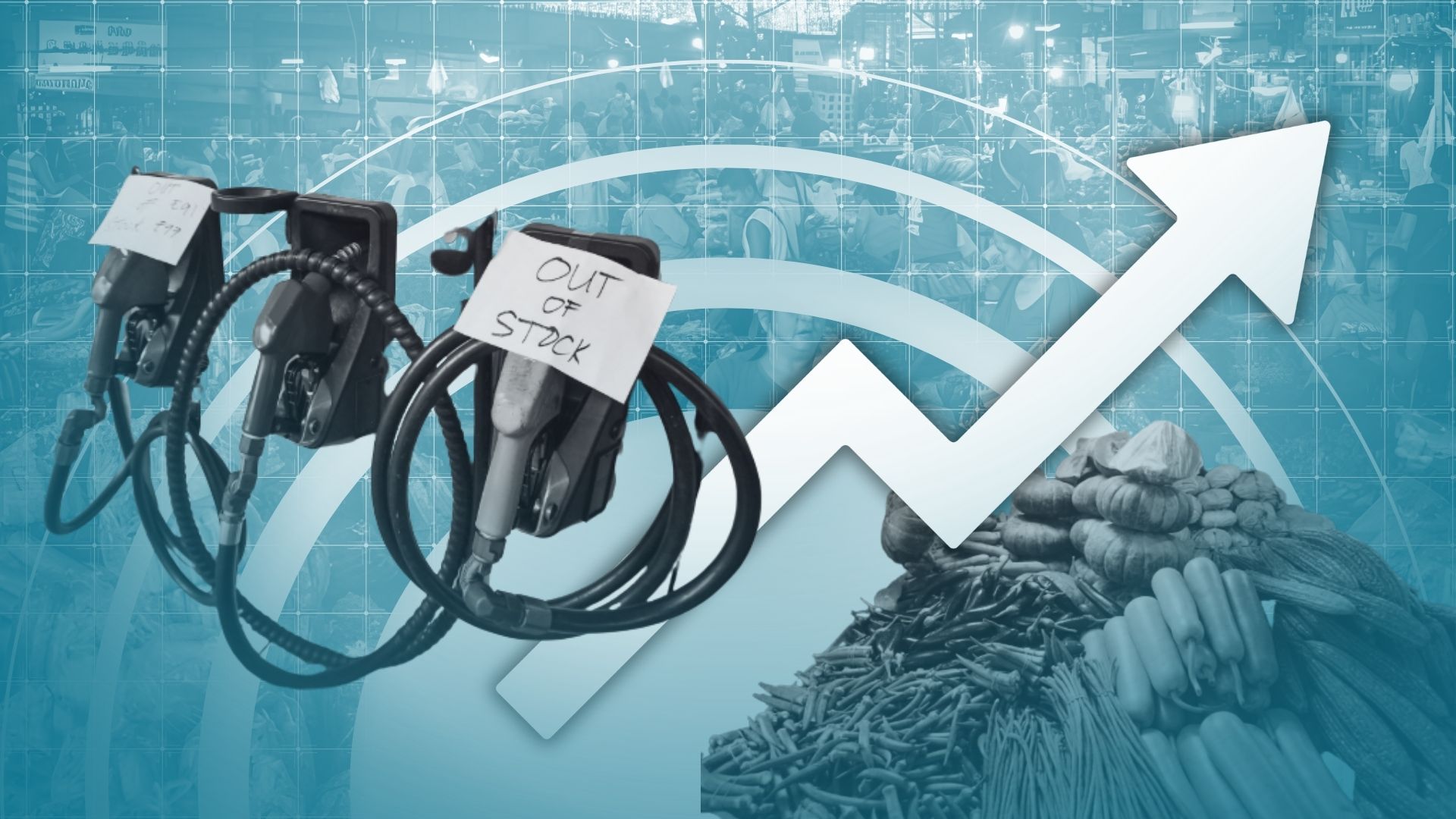
The increase in inflation was driven by higher oil prices linked to the ongoing conflict in the Middle East.
Economists said the oil price surge caused a supply shock that pushed prices up while limiting consumer demand.
The data indicated that over 36 percent of the consumer price index basket was directly or indirectly affected by rising oil prices.
Energy-related items such as fuel, electricity, and liquefied petroleum gas accounted for 8.23 percent of the index and experienced immediate price increases.
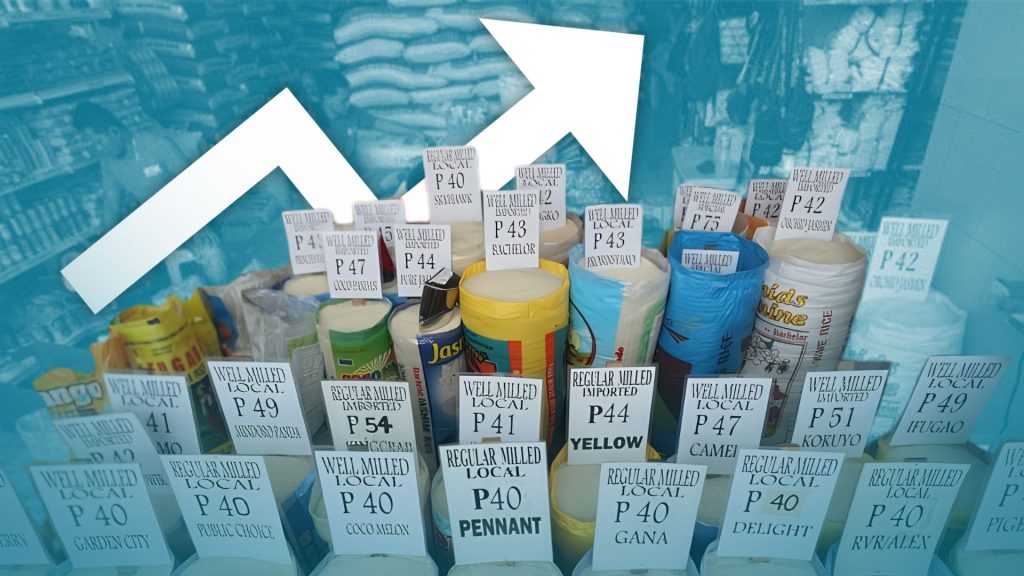
Other sectors, including food, transport, and dining services, faced secondary effects due to higher production and transport costs.
Consumers reduced spending as the rising cost of goods and services weakened their purchasing capacity.
A worker earning P20,000 today effectively holds a value closer to P15,000 in 2018 terms due to inflation.
Mapa said that lower purchasing power means fewer goods can be bought with one peso compared to previous years.
He added that the upcoming gross domestic product data would reflect possible declines in household consumption due to rising prices.
Economists warned of the risk of stagflation, where inflation continues to rise while economic growth slows.
The purchasing power indicator, introduced in 2022 as part of the consumer price index reports, tracks how inflation erodes the value of money over time.
The latest figures highlight the continued impact of global oil price shocks on the Philippine economy and household spending.