







Now Reading: Why love doesn’t always look like the movies
-
01
Why love doesn’t always look like the movies


Soraine Noel
In movies, love is almost always expensive. It arrives through grand gestures and dramatic confessions, accompanied by gifts that are big, shiny, and impossible to ignore. Romance is staged in candlelit restaurants and sealed with jewelry that costs someone’s monthly rent. When the story asks its protagonist to choose, the answer is often clear: the one who can provide more, spend more, and promise a life with fewer financial compromises.
The stories we watch often reinforce this fantasy. Even local films portray love under financial strain as dramatic and volatile, like in the film Third World Romance, where economic instability does not sit quietly in the background but actively strains the relationship itself. Love becomes something tested by unemployment, rising prices, and wounded pride.
But beyond the tension and cinematic conflict, there is another version of this story that rarely gets centered, the quieter one, where couples are not breaking apart under financial pressure, but learning how to endure it together.
Real life, however, rarely gives people that option.
For those living paycheck to paycheck, love does not unfold in excess. It exists within the limits of income, time, energy, and security. There is no room for impulsive romance or extravagant proof. And yet, affection does not disappear. It adapts. It becomes quieter, more intentional, expressed through small efforts that carry weight precisely because they are made under constraint.
This is the love language of people who cannot afford to be careless, where “cheap” gifts are never thoughtless, effort becomes the real currency, and staying present means more than anything money could buy.
Love Without the Luxury of Excess
In the Philippines, where entry-level wages often lag behind rising rent, transportation fares, and grocery prices, dating opportunities are scarce. For many young adults balancing contractual work, family obligations, or remittances, romance does not take center stage in life, it must find a place alongside everything else. Here, affection survives not because circumstances are easy, but because it learns how to exist within constraint.
And those constraints are not abstract. They are written into monthly bills and daily expenses.
When most of one’s income is already committed to rent, electricity, water, internet, transportation, and food, there is little room for spontaneity. Even joy must be budgeted. Even affection must wait its turn. Love is not erased, but it is constantly measured against survival.
This reality reshapes expectations early. Dates are not chosen for ambiance but for affordability. Celebrations are planned weeks in advance, if they happen at all. There is an unspoken understanding that wanting something does not automatically make it possible.
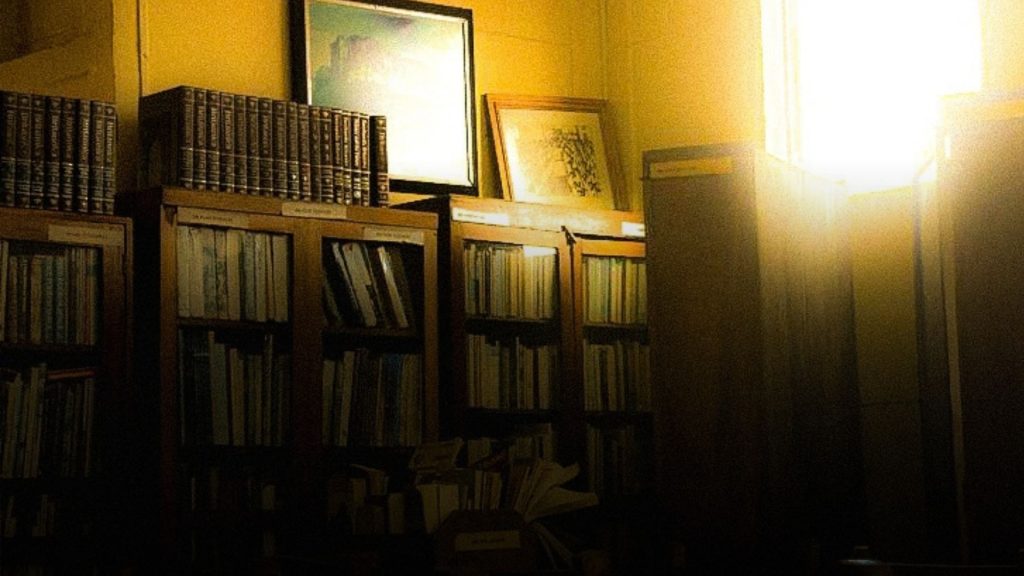
Courtship unfolds in malls without purchases, in shared street food, in long conversations that cost nothing but time. It unfolds in free museum days and buy-one-take-one milk tea. In lingering inside air-conditioned bookstores because staying out costs nothing. In calculating whether splitting the bill will hurt less than insisting on paying for both.
In this kind of life, love rarely announces itself with drama. It is planned, adjusted, and sometimes postponed indefinitely. It learns how to fit between shifts, between deadlines, between exhaustion and obligation. Romance becomes something that must be maintained, not performed.
There are no surprise getaways, but there are carefully chosen afternoons that feel stolen from the week. No lavish gifts, but items selected with familiarity and care. Love becomes less about impressing and more about sustaining, about making sure the connection holds even when everything else feels precarious.
This kind of romance requires discipline. It requires restraint. It requires the willingness to love without the reassurance of abundance.
The Weight of Cheap Gifts
The phrase “cheap gifts” often comes loaded with judgment. It suggests thoughtlessness, a lack of effort, and a person not caring deeply enough. It implies that value is directly proportional to cost.
But for those living paycheck to paycheck, inexpensive gifts are rarely careless. They are often the result of careful consideration—of weighing options, making trade-offs, deciding what can be spared without creating another problem.
A favorite snack bought after a long shift.
A printed photo folded neatly into a wallet.
A short handwritten letter tucked into a bag, written because you lingered in their thoughts.
A shared meal is split evenly because eating together matters more than quantity.
These gestures are not spontaneous indulgences. They are planned within narrow margins. They exist because someone thought ahead, noticed a preference, remembered a detail.
When money is scarce, giving even a small thing requires intention. It means prioritizing connection in a life that constantly demands practicality. It means choosing affection over convenience, even briefly.
In this context, “cheap” does not mean meaningless. It means thoughtfulness.
Choosing Someone Else, Even When You Have Little
What is often overlooked in conversations about romance and money is the quiet generosity embedded in these choices. To give when you have little is not the same as giving when you have excess.
For someone navigating life on a tight budget, giving is rarely a simple swipe of a card. It involves mental arithmetic, quiet recalculations, and a constant awareness of limits. Even small gestures require thought, not just about what can be afforded, but what can be rearranged. Time must be shifted. Plans must be adjusted. Something else must move to make space.
This kind of generosity is not dramatic. It does not announce itself. There is no applause for it, no audience to witness the sacrifice. And because it is quiet, it is often misunderstood or entirely unseen.
The object exchanged may be modest, but the decision behind it is not. It represents a conscious act of prioritization, of placing someone else within a life already stretched thin. It is the choice to give not from abundance, but from intention.
That choice carries weight precisely because it is difficult.
Effort as the Real Currency
When money is limited, effort becomes impossible to ignore.
Love shows itself in walking instead of riding to save fare. In long commutes endured for short moments together. In staying awake despite exhaustion, presence matters more than rest. It appears in consistency rather than spectacle.
Time is offered where money cannot be. Energy is given where comfort is sacrificed. Presence becomes proof.
Effort, unlike money, cannot be borrowed, inherited, or outsourced. It demands participation. It requires endurance. It costs something every time it is given.
These acts rarely appear in romantic narratives. They are not cinematic. They do not photograph well. They do not translate into scenes that feel grand or enviable. But for those who live this reality, they are unmistakable. They are felt deeply, recognized instinctively.
In this context, effort is not supplemental to love, it is love. It is the primary language through which care is communicated.
Staying When It Would Be Easier Not To
Perhaps the most overlooked expression of love under financial strain is staying.
Staying when life is heavy. Staying when plans fall apart. Staying when stress sharpens tempers and exhaustion dulls patience. Staying when there is no promise of ease in the near future.
Choosing someone else when you have little means accepting uncertainty together. It means knowing that love will not shield you from hardship, but deciding that hardship is more bearable when shared.
This is not the kind of romance that dazzles from a distance. It does not sell a fantasy of escape. Instead, it offers something quieter and more demanding: companionship in reality.
It asks for resilience rather than wealth. For commitment rather than comfort. For care that persists even when circumstances do not improve.
Love That Is Measured Differently
Love shaped by scarcity is not less. It is simply measured differently.
Its value is not found in price tags or destinations, but in endurance, attention, and choice. It is revealed in what someone is willing to give up, not what they can buy.
In a world that often equates romance with excess, this kind of love can be easy to dismiss. But for those who recognize it, it is unmistakable—grounded, deliberate, and deeply human.
In an economy that constantly ties worth to productivity and earning power, loving someone without financial certainty can feel almost defiant. It resists the idea that stability must come before affection, that success must lead up to commitment. It insists that connection does not need perfect timing or complete security to be real. For many young couples navigating today’s realities, choosing to stay despite instability is not naïve — it is intentional.
It is love that survives not because life is easy, but because someone chooses, again and again, to stay.