







Now Reading: 12.9M households self-rate as poor, threatening education outcomes
-
01
12.9M households self-rate as poor, threatening education outcomes

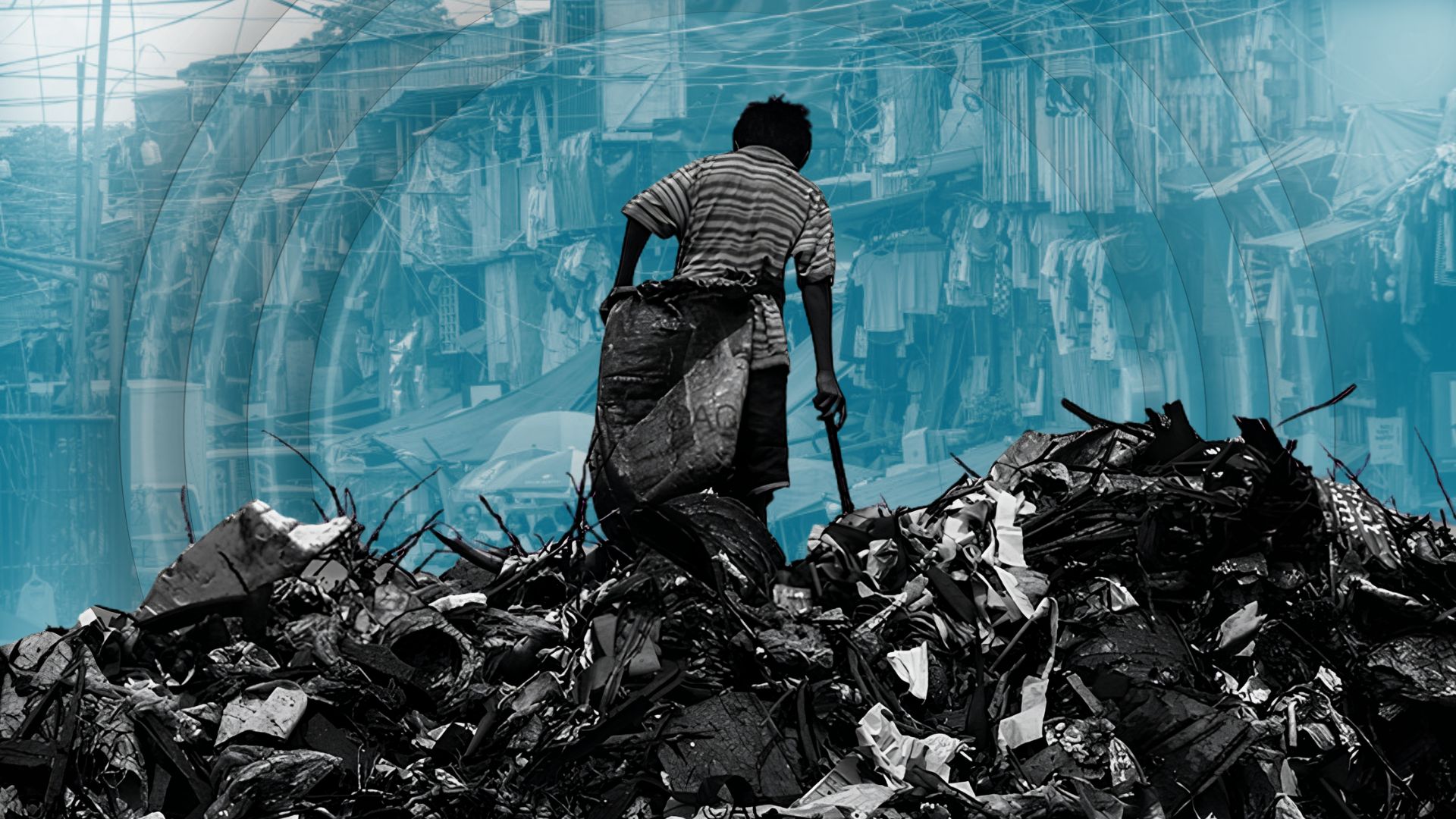
High levels of poverty continue to limit access to the Philippine education system, as approximately 12.9 million households or 35 percent of Filipino families considered themselves poor according to a Social Weather Stations (SWS) survey conducted in the first quarter of 2026.
While the number of families identifying as “poor” saw a slight decrease from 37 percent in December 2025, data from non-government organizations indicate that this economic status remains the primary driver of poor academic outcomes across the country.
According to World Vision Philippines, poverty remains a primary barrier to public free education, as families struggle to cover indirect costs beyond tuition, such as transportation, school supplies, uniforms, and meals.
The organization added that while primary school enrollment is stable, the financial burden on poor families causes a significant number of children to drop out before completing their secondary education.
The SWS survey also revealed that 31 percent of families, or an estimated 8.1 million households, rated themselves as “food-poor”.
Educational data links this food insecurity to developmental issues that hinder learning, as malnutrition contributes to poor concentration and frequent illness, which negatively impacts a student’s classroom performance.
Earlier this year, the Second Congressional Commission on Education revealed that one problem that needs to be addressed among students, especially younger ones, is malnutrition.
Prof. Lizamarie Olegario of the University of the Philippines, in an interview with DZMM Teleradyo back in January, said that a malnourished child will have slower brain development, leading to attention problems and weak memory, affecting education.
In the country, malnutrition remains a public health concern among preschool-age children.
In the latest National Nutrition Survey of the Department of Science and Technology, 23.6 percent of the said population is stunted, 15.1 percent is underweight, and 5.6 percent is wasted.
To address malnutrition, the Department of Education (DepEd) has been implementing the School-Based Feeding program, providing hot meals and milk to undernourished children.
Meanwhile, the SWS survey further also showed that poverty-driven educational risk is most acute in the Visayas (64 percent) and Mindanao (56 percent), compared to Luzon (38 percent) and Metro Manila (33 percent).
In response to these persistent learning gaps, the Department of Education (DepEd) has implemented the Academic Recovery and Accessible Learning (ARAL) program.
Recent reports from the department as of January 2026 indicate early improvements in student competencies through this targeted tutoring initiative.