










Now Reading: Labor day marred by issues on wage gap, high joblessness
-
01
Labor day marred by issues on wage gap, high joblessness

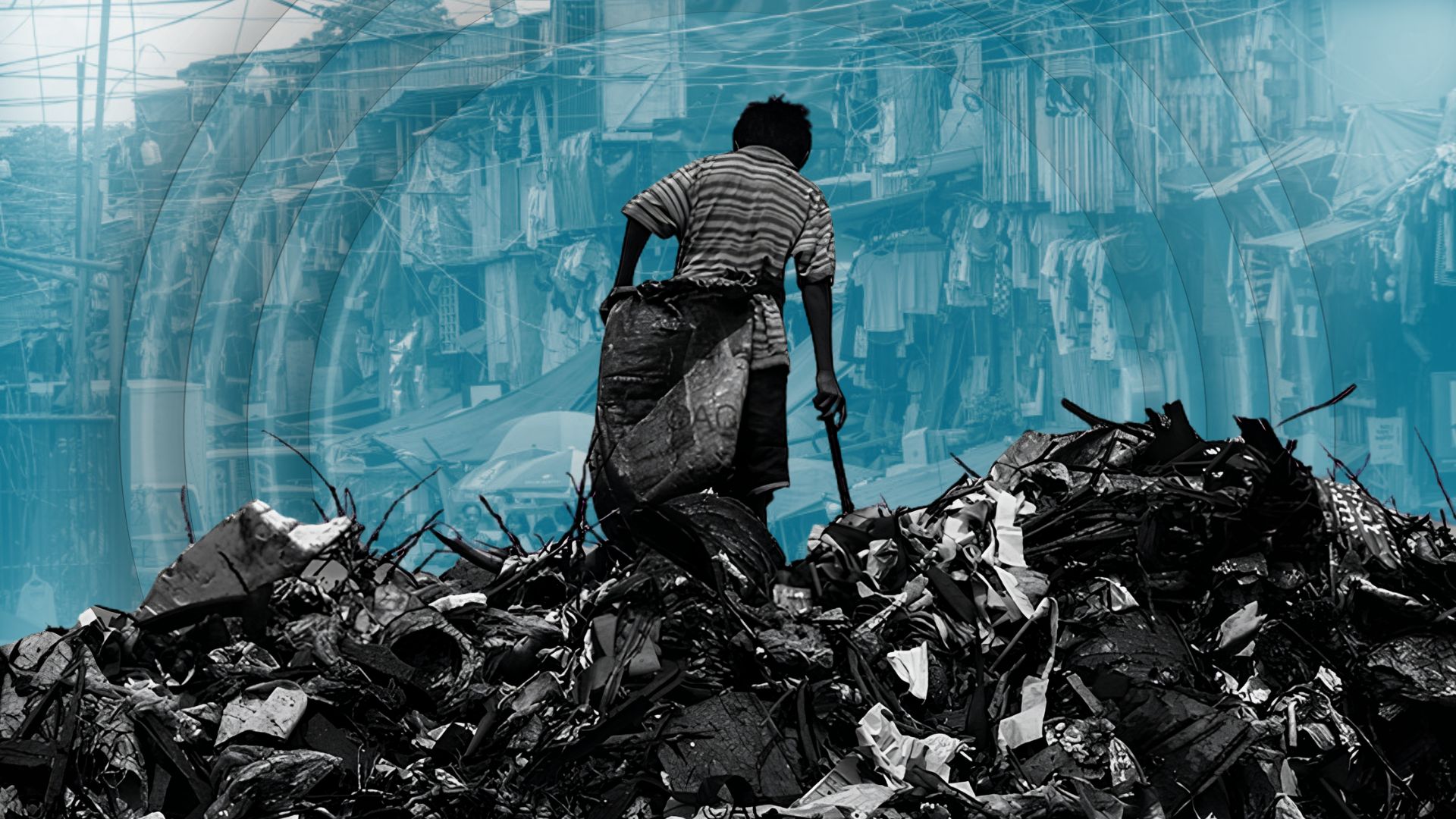
Beyond Labor Day commemorations on May 1, Filipino workers continue to face significant hardships despite economic growth, with underemployment rates and persistent low wages failing to cover basic living costs.
IBON Foundation data revealed that the average monthly minimum wage in the country is P10,981 as of March 2026, which falls by about P3,000 short of 2023’s P13,873 poverty threshold for a family of five.
However, minimum wages are not set under a single national system but are determined by regional wage boards, with other regions at a disadvantage because of it.
According to Pia Charmane de Jesus, deputy executive director of the National Wages and Productivity Commission (NWPC), minimum wages are set through careful study that balances workers’ needs, employers’ ability to pay, and the region’s overall economic and social development.
For the NWPC, disrupting this balance could result in “unintended consequences” such as job losses, business closures, fewer job opportunities, and inflation.
Yet with this rule, imbalances still arise, especially in far-flung regions.
On a monthly basis, the minimum wage for a worker in the National Capital Region (NCR) is P15,116. Meanwhile, workers in Bangsamoro Autonomous Region of Muslim Mindanao (BARMM) earn the lowest among all regions, with only P8,939 a month, a P6,117 gap from that of NCR’s.
Metro Manila, despite having the highest minimum salary, still has a large wage gap of P597 for a standard earning for a family of five. On the other hand, BARMM has a P3,945 wage gap, almost seven times the wage gap NCR has.
Unemployment even compounds the crisis.
The Philippine Statistics Authority’s (PSA) Labor Force Survey reported a 5.8 percent unemployment rate in January 2026, Southeast Asia’s highest (per available data), with 2.66 million jobless and 11.8 percent underemployed seeking more hours.
The gap is evident in rising productivity and stagnant pay, with IBON Foundation data showing labor output rising from P254,000 per worker in 2000 to P455,000 in 2024.
Yet real daily wages climbed just from P350 to P364—a minimal four percent gain.
As the net income of the country’s top 1,000 firms surged from P133 billion to P2.2 trillion, corporate profits reflect the same imbalance, while workers’ share has seen little improvement amid rising costs.
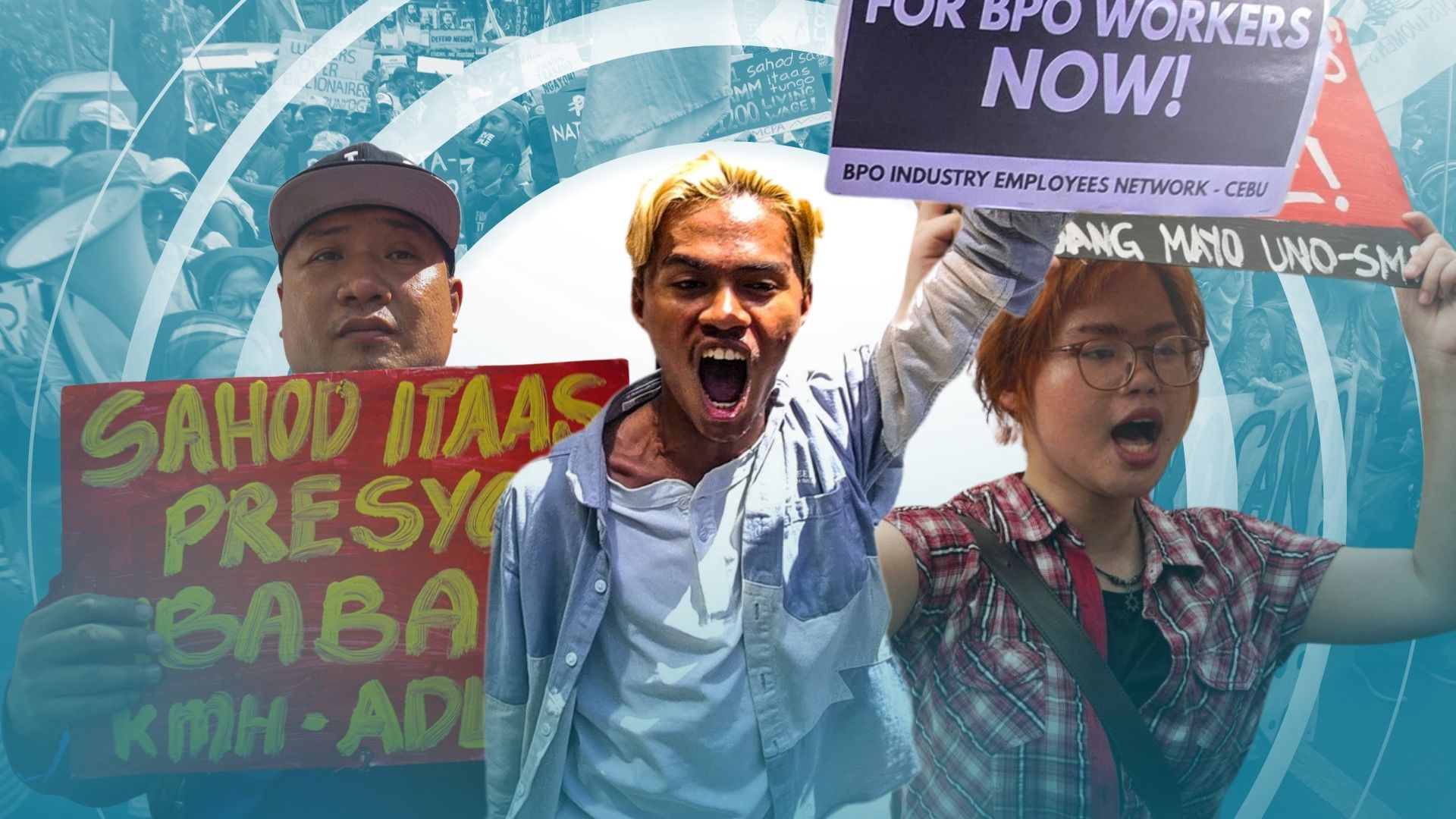
Labor groups across the country held rallies to call for a P1,200 daily wage increase and tax exemptions, and renewed calls against corruption. They described Mayo Uno as a “day of reckoning” over unfulfilled promises.