







Now Reading: 404: Queerness not found
-
01
404: Queerness not found

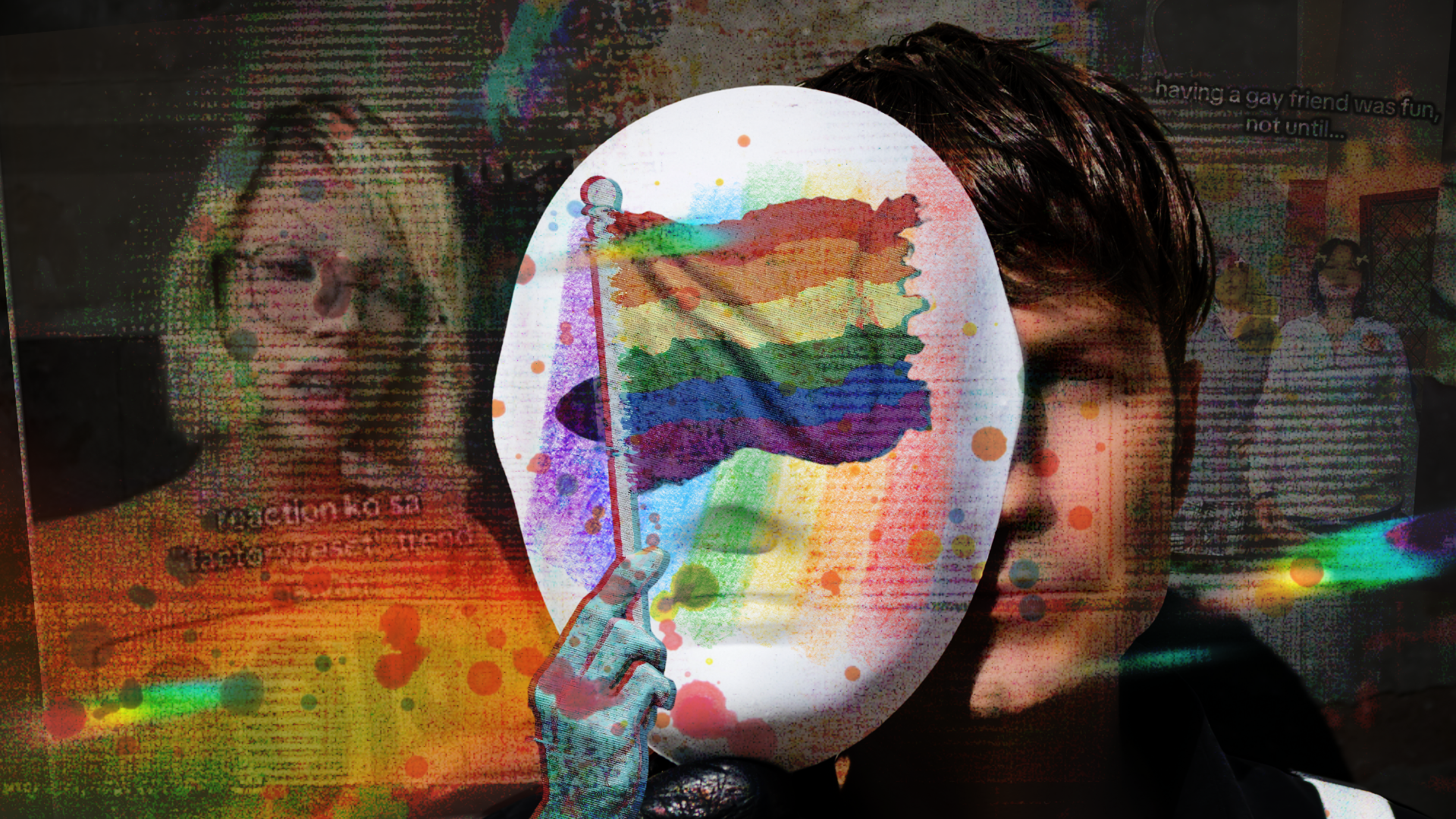
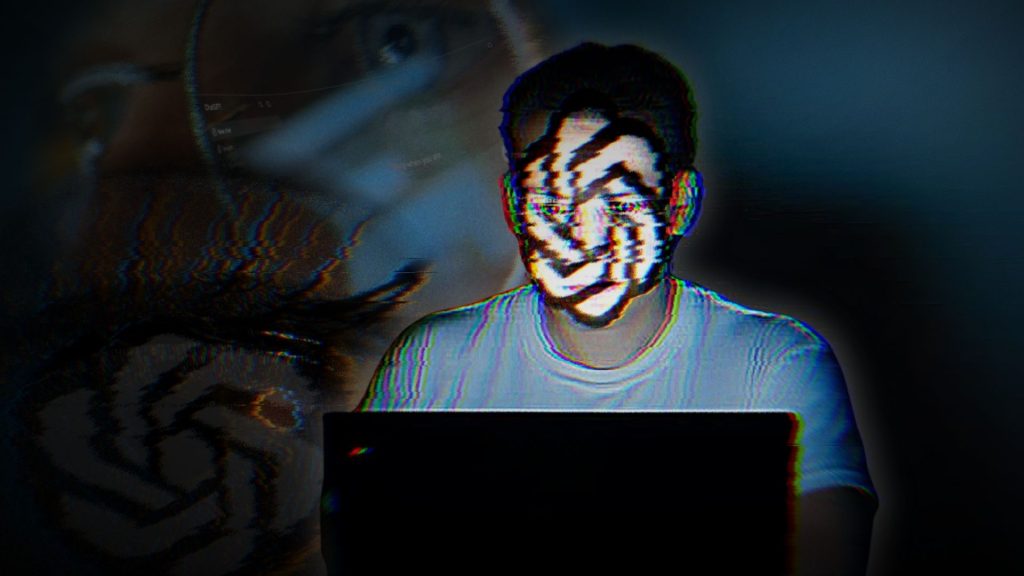
Trends come and go on social media, but some leave real damage in their wake. The circulating factory reset trend is one of them, especially when it is used to talk about queerness.
What is framed as humor or self-improvement reinforces the defacating idea that being part of the LGBTQIA+ community is something gone wrong, something accidental, something that needs correction.
The problem lies in how the trend treats identity as reversible. It treats queerness as a mistake rather than a valid identity.
When people publicly announce their “reset”, implying a return to a more acceptable version of themselves, it sends a message that queerness is temporary and disposable. That very narrative is not new, and it has never been harmless.
There is an important distinction that often gets lost. Sexuality can be fluid, and self-discovery is not a linear process. People are allowed to question themselves, change labels, or reject them altogether.
That is not the issue—the issue is when queerness is reduced to an aesthetic or a phase used for attention, only to be abandoned once it stops being socially useful. More often than not, identity becomes performance, and real queer experiences are trivialized.
The trend also thrives on stereotypes. It overlooks the difference between sexual orientation and gender identity. Being queer is not defined by how you express your gender.
Men who are soft-spoken or expressive are quickly assumed to be gay. Women who are assertive or masculine are labeled the same. This underscores the false belief that gender expression dictates sexual orientation. These assumptions blur important distinctions and revive outdated ideas that have long been used to police how us people should act and exist.
What makes this especially concerning is the cultural impact it brings. When millions of viewers see queerness framed as something to fix, it strengthens existing prejudices.
The “factory reset” trend validates the belief that LGBTQIA+ identities are unstable or confused, and that they require correction rather than acceptance.
Progress toward LGBTQIA+ rights has always relied on the assertion that queer identities are real, enduring, and worthy of protection. Trends like this push in the opposite direction.
They weaken demands for equality by framing queerness as something people just try out.
It is 2026. At this point in time, this conversation should have moved forward. Identity is not a mere glitch;, it is not a phase to outgrow, and it is not something you reset when it becomes uncomfortable.
If anything needs reprogramming or resetting, it is the mindset that keeps treating queerness as an error instead of a truth.