










Now Reading: TO THE MOON AND BACK: Astronauts set to travel to Moon, but no plan on landing?
-
01
TO THE MOON AND BACK: Astronauts set to travel to Moon, but no plan on landing?
TO THE MOON AND BACK: Astronauts set to travel to Moon, but no plan on landing?

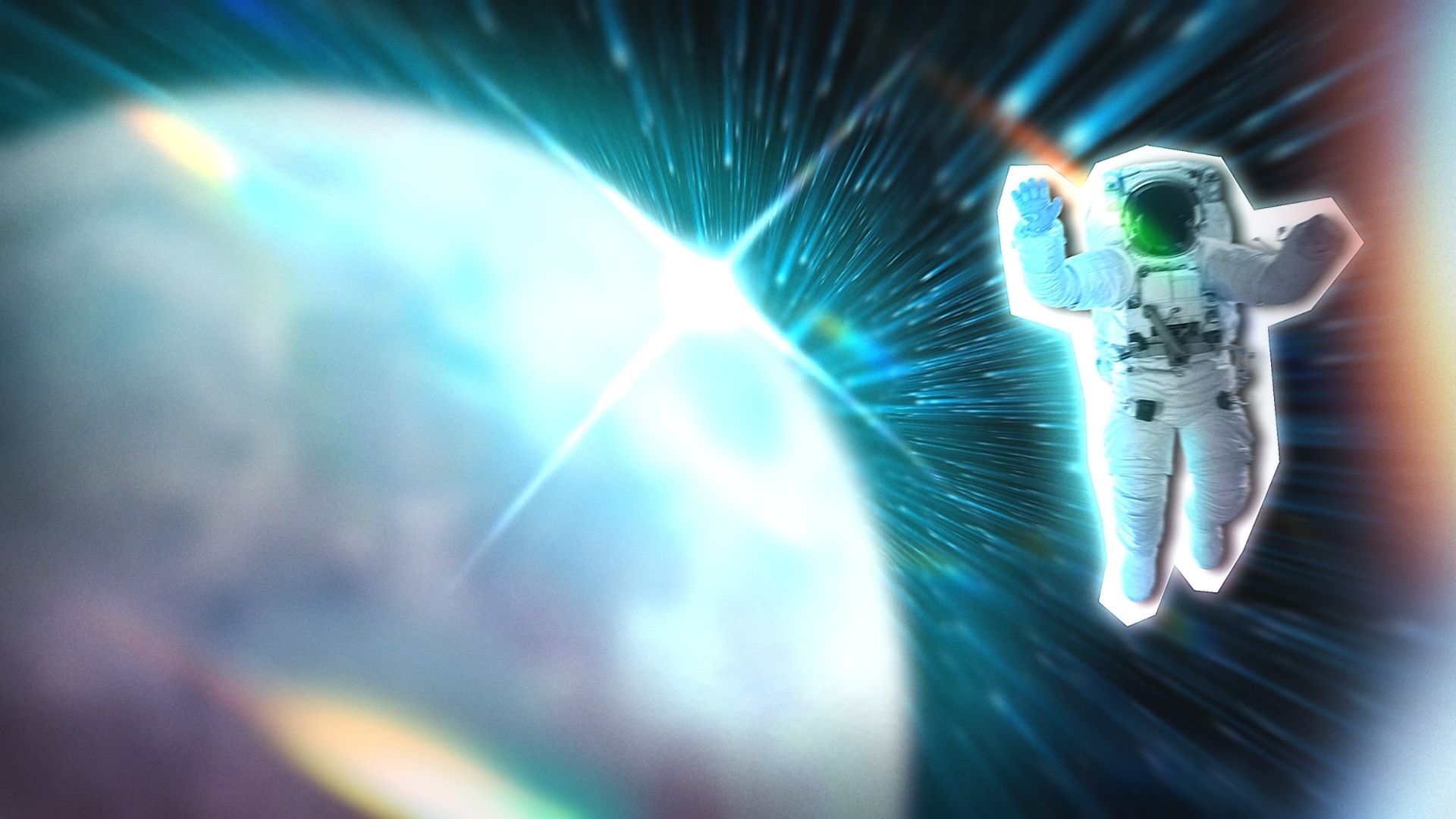
Using the National Aeronautics and Space Administration’s (NASA) Space Launch System (SLS) rocket and Orion capsule, four astronauts will blast off to the moon on NASA’s Artemis II mission to test the systems with humans onboard.
The Artemis II mission, scheduled to launch as early as February 6, will carry the crew out and beyond the Moon’s far side; however, NASA does not aim to land this shuttle though.
Astronauts Reid Wiseman, a former International Space Station commander; Victor Glover, the first Black astronaut to complete a long-duration ISS mission; Christina Koch, who holds the record for the longest single spaceflight by a woman; and Canadian Space Agency astronaut Jeremy Hansen, an experienced test pilot and former ISS backup crew member, will test the spacecraft’s systems while traveling farther from Earth than any humans before.
“Now, with our four humans on board, we’ll be testing out a lot of new capabilities that were not there for Artemis I,” Patty Casas Horn, deputy lead for Mission Analysis and Integrated Assessments at NASA in an interview with CNN said.
However, Artemis II will not attempt a lunar landing as NASA explained that the mission is focused on crew safety and vehicle performance rather than surface operations.
NASA further added that the Orion spacecraft is not designed to land, because the mission’s goal is to evaluate life support, navigation, propulsion, and thermal systems with astronauts onboard.
If successful, Artemis II clears a hurdle on NASA’s path back to the Moon as it proves that astronauts can safely travel through deep space and return to Earth— truly to the moon and back.
As such, the mission’s results will shape future Artemis flights and lay groundwork for longer-term human exploration of the Moon and eventually Mars.