










Now Reading: When crises strike, why do PH medical labs shut down?
-
01
When crises strike, why do PH medical labs shut down?

In a country hammered by typhoons, earthquakes, floods, landslides, and other natural hazards, the Philippines is not new to this; instead, the Filipinos have already gotten used to it to the point that they romanticize the concept of resilience in every tragedy.
Evacuation plans are in place, rescue teams are well-equipped, and relief packs are on standby. However, a crucial yet neglected system breaks down first–medical laboratories.
A researcher from the School of Advanced Studies, De La Salle Medical and Health Sciences Institute, pointed out the lack of operating medical laboratories in the country, which are crucial in preparing for disasters and early disease detection. These conclusions were detailed in the study “Enhancing disaster preparedness through medical laboratory resilience in the Philippines”, published in the Philippine Journal of Health Research and Development.
The presence of these laboratories can be invisible to many, but they play a vital role in saving many Filipinos. They can be used to track disease infections, guide life-saving treatments, and, during disasters, help monitor and detect health threats.
When disasters hamper diagnosis
During COVID-19, several laboratories throughout Asia, particularly in the Philippines, displayed their capabilities while controlling the disease. As testing demand increased, various facilities experienced staff inadequacy, unforeseen power supplies, inconsistent biosafety protocols, and delays in test results.
Moreover, when a natural disaster strikes the country, these laboratories cannot withstand the onslaught, specifically Typhoon Odette in 2021 and the Mindoro floods in 2023. Laboratory operations were disrupted as a result of the disasters’ damage to on-site facilities, which led to lost samples and created more disparity in verifying whether the disease is chronic or infectious. Sometimes, these laboratories had to stop working completely because of damage to their buildings or issues with their communication systems.
Angelika Buenaventura Ramos, the researcher, noted that digital systems become outdated, which causes major problems such as loss of patient records during power outages. She stressed that without enough communication linkages, laboratories ceased cooperating with hospitals and health authorities, resulting in delayed test findings and emergency interventions.
Hence, she underlined that disaster preparedness in the Philippines has typically centered on hospitals and emergency responders, while laboratories have been largely disregarded.
Prescribe solutions
Despite these challenges mentioned, having medical laboratories holds immense potential to strengthen disaster response.
Thus, the research cited some solutions to improve disaster response capacity, such as making the laboratory disaster preparedness an official part of local and national health planning.
“To build a culture of preparedness, LGUs are encouraged to institutionalize annual simulation exercises and capacity-building programs for laboratory staff, in partnership with academic institutions and regional training centers, which significantly improve preparedness scores and coordination, as evidenced by simulation-based training in the Philippines during the Ebola preparedness workshops,” the researcher wrote.
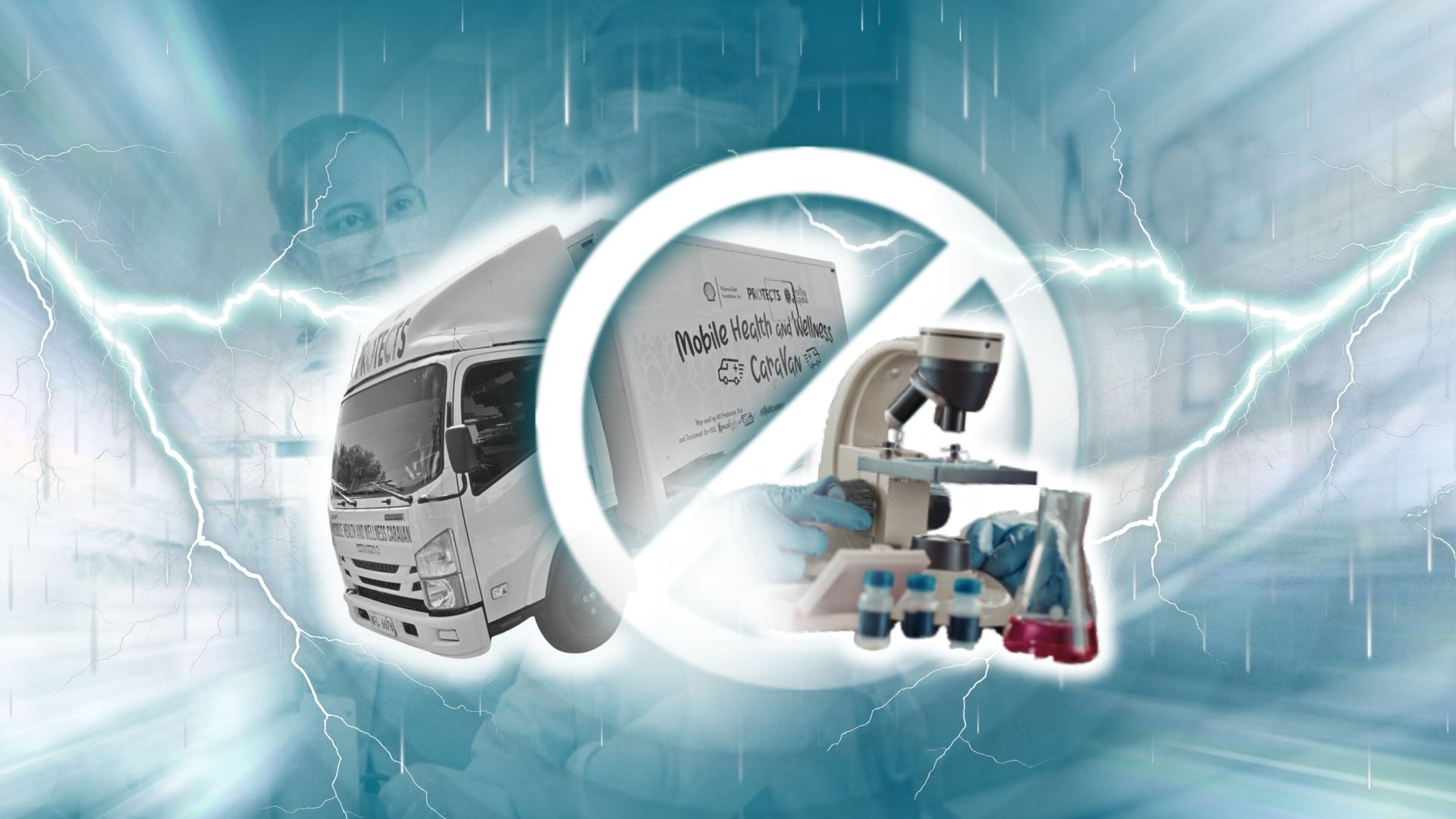
Another promising solution recommended is the use of mobile and modular laboratories, which can be deployed to disaster zones, evacuation centers, or remote areas.
“These can provide essential diagnostics when fixed laboratories are inaccessible. In 2023, WHO piloted a mobile lab network in Mindanao for cholera and leptospirosis surveillance, demonstrating feasibility and effectiveness,” Ramos mentioned in her study.
She added that mobile labs are made to be set up quickly and come with biosafety features, their own power source, water filtration systems, and air-handling systems. This means they can be used in evacuation centers, temporary health camps, and rural barangay health stations.
Labs matter
In a disaster-prone country like the Philippines, resilient laboratories imply faster discovery, treatment, and more reliable data, which ultimately leads to fewer lives lost. In other words, protecting laboratories shelters public health.
“By aligning laboratory preparedness with the principles of Universal Health Care, climate adaptation strategies, and sustainable development goals, the Philippines can not only minimize disaster-induced service disruption but also achieve health equity and resilience at the community level,” Ramos penned in her research.
If resilience is neglected in these difficult times, many Filipinos will suffer, because, scientifically speaking, preparedness does not come from individuals alone but also from the government and its facilities. When disaster strikes, it is not only buildings that must withstand the impact, but systems that can still see, test, and respond.