







Now Reading: Is the press truly free when these journalists paid with their lives the stories they told?
-
01
Is the press truly free when these journalists paid with their lives the stories they told?
Is the press truly free when these journalists paid with their lives the stories they told?

Jullian Elemento
In the Philippines, telling the truth can mean losing your freedom or even your life. Yet even in a system where silence is often enforced by fear, some voices refuse to fade.
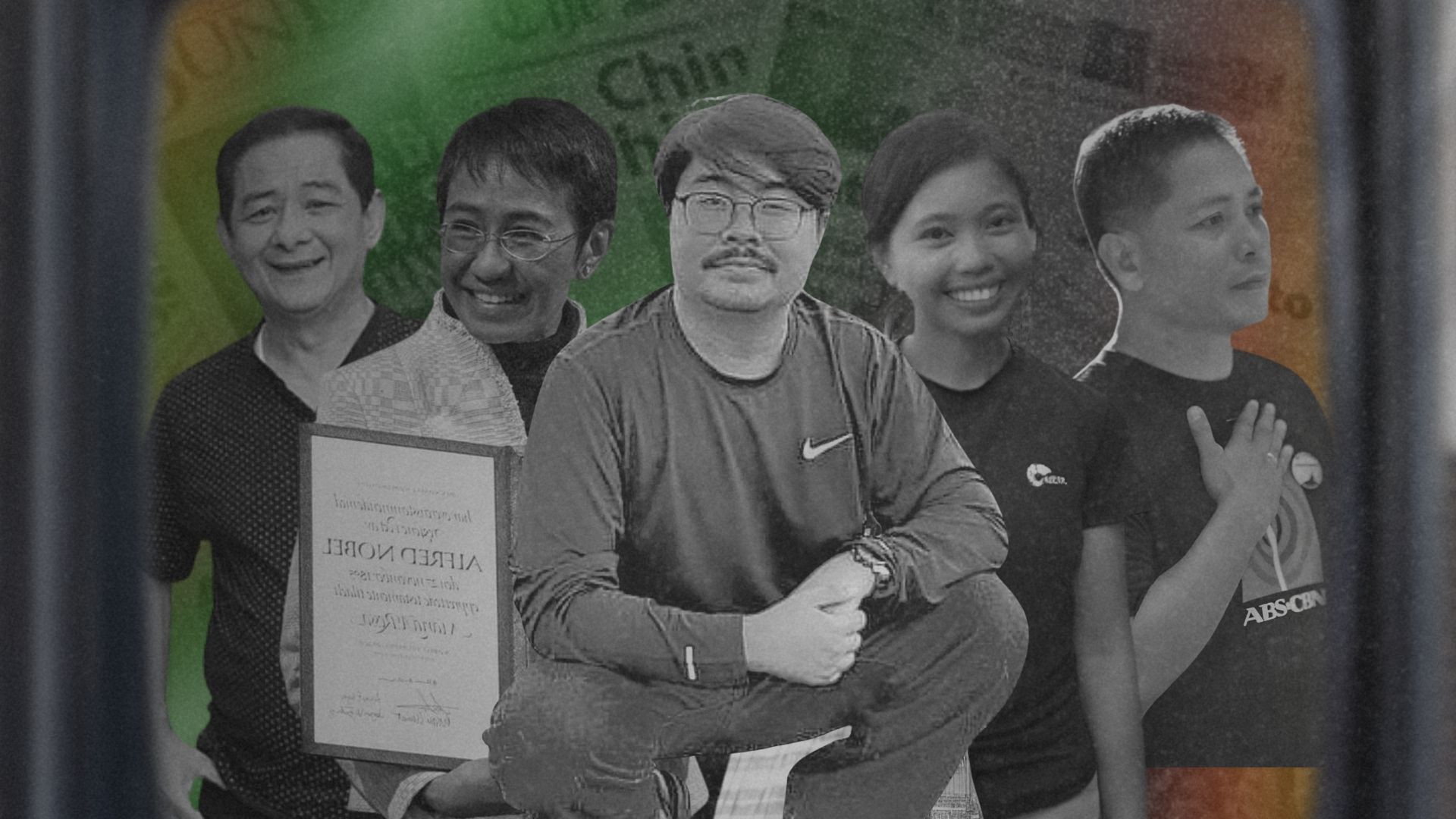
From the reported killing of community journalist RJ Nichole Ledesma in Negros Occidental to the prolonged detention of young reporter Frenchie Mae Cumpio, the realities of Philippine journalism reveal a profession shaped not only by storytelling, but by sacrifice.
Across the country, journalists working closest to the margins, where stories are often most urgent, face risks that extend far beyond the newsroom. In a country where media suppression has persisted for a long time already, ranging from violence and legal harassment to red-tagging and intimidation, makes telling the truth increasingly dangerous especially if one is at the frontlines.
RJ Nichole Ledesma
He was a 30-year-old journalist, poet, and human rights advocate whose work centered on marginalized communities in Negros Occidental.
A psychology graduate of the University of St. La Salle Bacolod, RJ once served as editor-in-chief of The Spectrum before committing himself fully to community journalism through Altermidya and later Paghimutad-Negros, where he dedicated his life to shed light on land disputes, palm oil expansion, sugarcane labor conditions, and the displacement of farming families caused by large-scale development projects.
Known for his empathetic and immersive storytelling, he did not simply report from a distance. He lived among the communities he covered, documenting their struggles firsthand.
On April 19, 2026, he was among those reported killed during a military operation in Toboso, Negros Occidental. And in this loss, is the press in our country truly free when telling the truth can mean never coming home?
Frenchie Mae Cumpio
She began her journey in journalism through campus media, eventually becoming editor-in-chief of UP Vista, the official student publication of the University of the Philippines Tacloban, where she pursued BS Biology.
Driven by a deeper sense of purpose, she left her degree unfinished to pursue full-time community journalism, as she worked with Altermidya’s Eastern Vista.
Frenchie reported on issues often overlooked by mainstream media: rural poverty, human rights concerns, and the lived realities of vulnerable communities. She went where the stories lived, immersing herself in the everyday lives of those on the ground and listening closely to those most affected by injustice, so their truths would not be ignored.
At just 21 years old, she was arrested in February 2020 during a police and military raid in Tacloban City, alongside four others later known as the “Tacloban 5.” Charged with illegal possession of firearms and later accused of financing terrorism, her case has been widely questioned by press freedom and human rights organizations, raising concerns about red-tagging and the criminalization of journalists.
Until now, she remains in detention as legal proceedings continue. Her case has drawn international attention, with groups like Reporters Without Borders describing it as emblematic of the risks faced by young journalists reporting on sensitive issues in the Philippines.
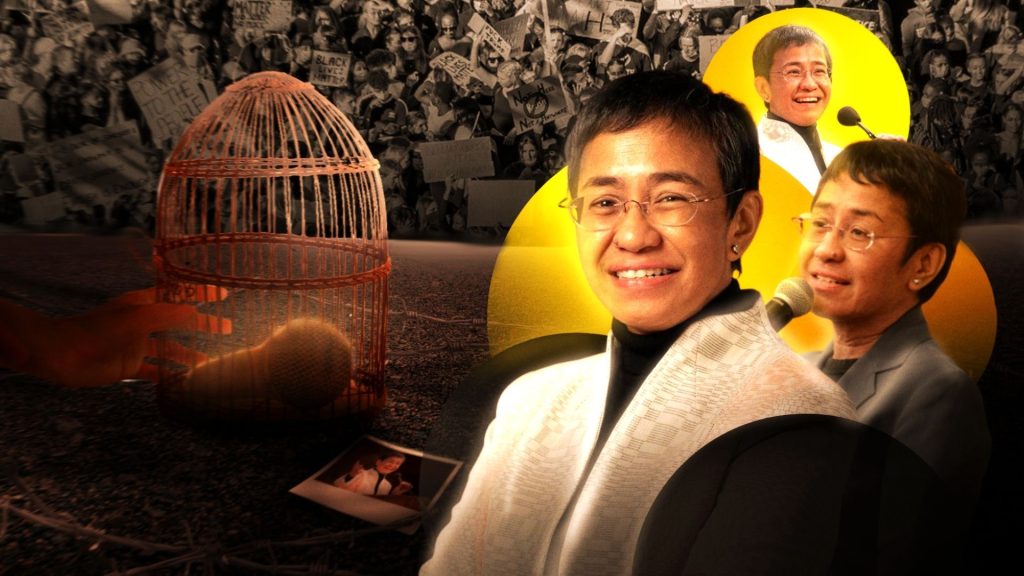
Being the co-founder of Rappler, she stands as one of the most globally recognized figures in the fight for press freedom. A graduate of Princeton University, she started her career as a journalist for CNN, covering political and security issues across Southeast Asia.
The year 2012 was the birth of Rappler, a digital news platform known for investigative reporting on governance, disinformation, and accountability. Her work placed her at the center of legal and political pressure, particularly during the Duterte administration.
Facing multiple arrests, cyber libel charges, and sustained online harassment, she remained unwavering in delivering the truth, and in 2021, she received the prestigious Nobel Peace Prize award.
Percival Mabasa
Widely known as Percy Lapid, he was a veteran radio broadcaster whose fearless commentary challenged powerful figures. As host of Lapid Fire on DWBL, he became known for exposing corruption and demanding accountability.
On October 3, 2022, while on his way to his studio in Las Piñas, he was ambushed and shot dead near his home. Investigations later revealed a complex chain allegedly involving officials within the Bureau of Corrections, exposing deep institutional issues.
His killing shocked the nation, highlighting the dangers faced by journalists who confront those in power.
Gerry Ortega
A journalist, environmentalist, and veterinarian from Palawan, he dedicated his life to exposing illegal mining and corruption. Through his radio program, he became a strong advocate for environmental protection and transparency.
On January 24, 2011, he was assassinated in Puerto Princesa City. His demise became one of the most prominent cases of journalist murders in the country, even drawing international attention to the issue of impunity.
His legacy endures in the environmental issues he championed and just shows the difficult pursuit of justice and accountability in the country.
The press’ painful pattern
These stories are not isolated, they are threads of a pattern that define press freedom in the Philippines throughout the years, where journalists face threats for just simply telling the truth — some are silenced by bullets, others by detention, and many by fear that outlives the headlines.
But they still endure this excruciating and disappointing pattern of suppression. Because press freedom is not only about those who report, but about society’s right to now. And as long as truth remains at risk, the question remains: who gets to speak it, and at what cost?