







Now Reading: The everyday miracles that sustained Papemelroti
-
01
The everyday miracles that sustained Papemelroti

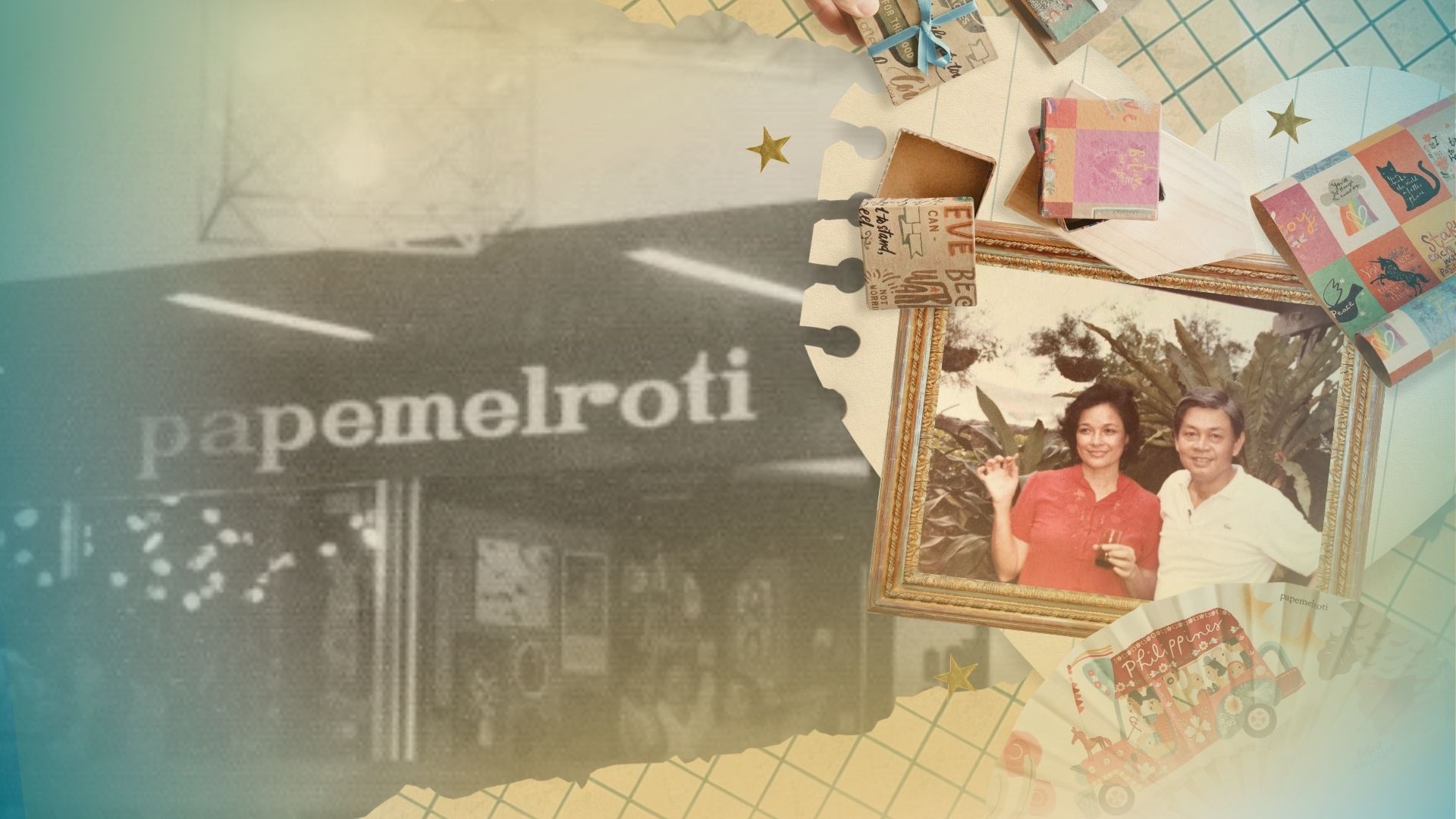
The name of the Filipino novelty store “Papemelroti” isn’t a foreign word or a gibberish term. It is a portmanteau (a made-up term coined from the combination of different words or sounds) that uses the names of the five Alejandro siblings: PAtsy, PE, MELdy, RObert, and TIna.
In a world growing ever more digital, Papemelroti shows us the magic that can never be lost in the tangible. The stationery and accessory shop specializes in paper crafts and other essentials, mostly made of recyclable materials. It is not just the material itself that makes the brand stand out, but the kind of gentle aesthetic and culture it has built for itself and the community throughout the years.
The love of a strong Filipina
In 1967, the matriarch of the family, Socorro “Corit” Alviola Alejandro, opened a small gift shop called Korben Gift Shop (a mix of her name and her husband Benny’s) in Quezon City. The siblings grew up making crafts by hand, often using discarded materials. This early immersion in DIY culture laid the foundation for the brand’s signature eco-friendly practice long before sustainability was a global trend.
According to Patsy Alejandro Paterno, her mother’s love for the family and her resolve to provide for them translated into her love for crafting, something that the siblings picked up and have been doing since.
“Yung mga pira-pirasong tela, gagawin niyang stuffed toys. ‘Yung mga toilet paper rolls, gagawin niyang doll. ‘Yung bote, gagawin niyang piggy bank. So mula ng bata ako, nakikita ko ‘yung nanay ko na mahilig gumawa sa kamay niya. Very artistic siya, very creative,” Patsy told Filipino TV show “My Puhunan.”
That summer, the first official Papemelroti store opened in Quezon City. It stood out immediately because it specialized in recycled paper products. Aside from the designs being earthy, rustic, and distinctly Filipino, it also promoted “loveliness” and “positivity” through inspirational quotes and figurines.
Distinctly Filipino
Throughout economic recessions and rising prices, the brand has consistently been an affordable go-to for people from all walks of life. Patsy’s brother, Robert, continues to design some of the products in the store, with his art style becoming an iconic part of their catalog. He says that most of their customers are young, noting that the brand appeals to both children and the “children at heart.”
Their designs serve as a quiet mirror to the Filipino home. Whether it is a wooden plaque featuring a traditional family blessing or stationery adorned with sketches of local flora and fauna, the brand celebrates the everyday life of the Filipino.
“We’re really committed to helping Filipino families, so ayaw naming mag-import ng materials from other countries kasi that means tinutulungan mo ‘yung mga pamilya doon, eh dapat mauna dito,” Patsy added.
In a country that places a high value on gift-giving, Papemelroti became the bridge between the giver and the receiver, offering a way to express “pagmamahal” (love) and “malasakit” (care) without needing a large budget and reminding us that our own stories and symbols are worthy of being cherished.
Crafts as an act of love
Crafting is a blessing. The Alejandro siblings grew up in a household full of creative projects and never-ending ideas. Today, when creativity is getting more and more artificial and commercialized, Papemelroti reminds us what a blessing it is to not just consume, but also create something of our own, something that lasts generations.
Whether it’s the money-scrapped student hoping to buy a notebook with only twenty pesos left in their wallet, or the tired parent coming home from work looking for a little “pasalubong” to bring their child, Papemelroti products are affordable treasures that are sure to bring a smile to peoples’ faces.
As sappy and cliche as it sounds, perhaps the greatest miracle that sustained Papemelroti for all these years isn’t the investors or the hype— but the hardworking hands that both crafted and purchased their products. Hands that show us even in the bleakest of instances that truly, we are made of love, for love.
And that love is the everyday miracle that sustains us.