






Now Reading: Never underestimate a mother’s love for her child
-
01
Never underestimate a mother’s love for her child

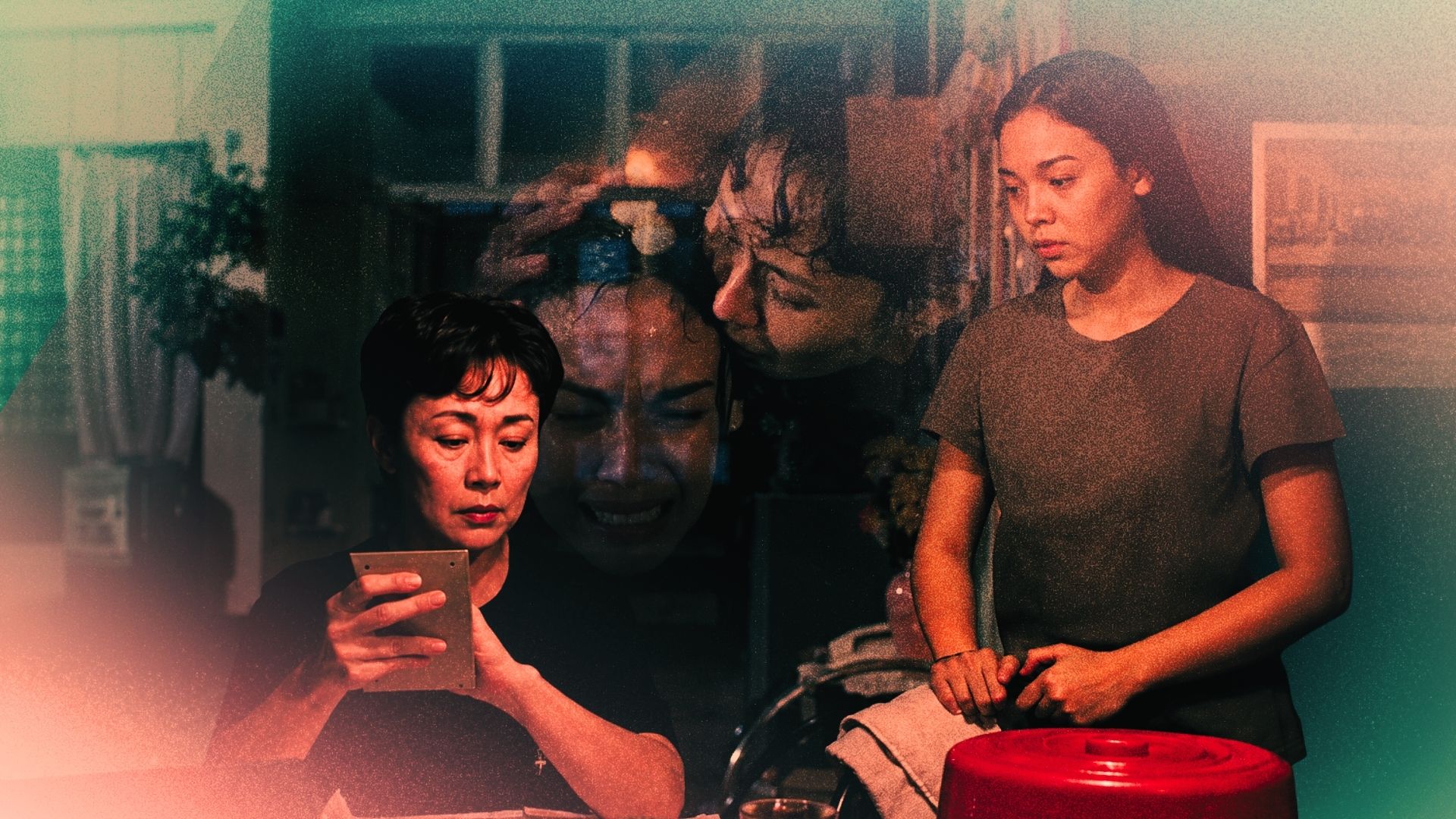
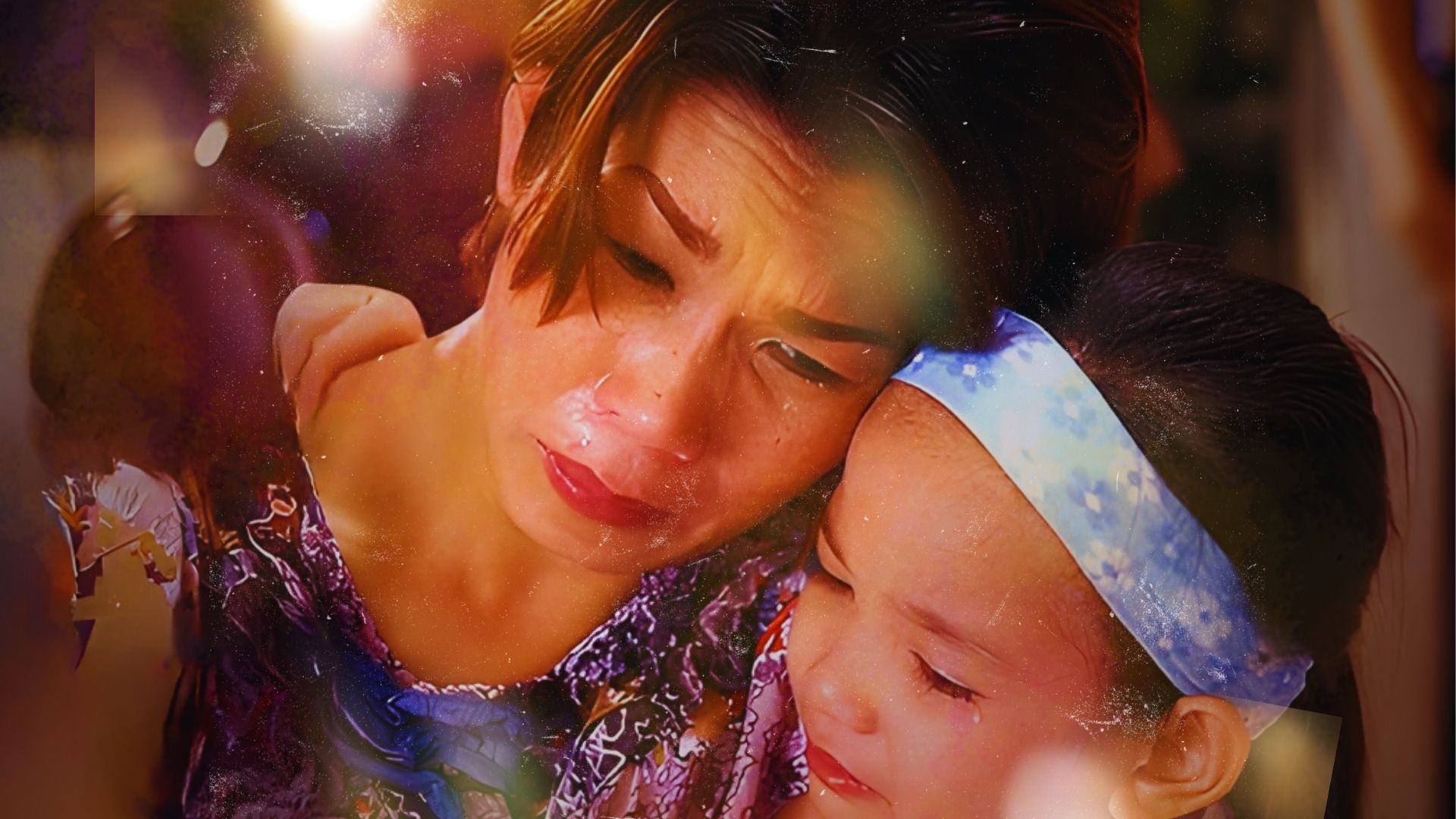
For many Filipino mothers, love is rarely expressed through words alone. More often, it reveals itself through sacrifices — in skipped meals, exhausting work shifts, sleepless nights, and years spent away from home just to keep the family afloat.
And over time, these sacrifices have become so common that people have started treating them as an ordinary part of motherhood. But perhaps, that is exactly the problem.
Why many mothers leave home
Because behind the image of every strong Filipino mother is a reality where women are continuously expected to give more of themselves — physically, emotionally, and financially — even where there is no left to offer.
In many Filipino households, mothers are expected not just to care for the children or manage homes but also to help sustain the family financially.
With rising living costs, unstable employment, and wages that often fail to meet basic needs, many families can no longer survive on a single income alone. Moreover, there are women who raise their family alone. In 2024, nine out of 10 single parents in the country are women — meaning that 95% of of the total 15 million single parents are mothers alone.
As a result, motherhood becomes more than just caregiving but an act of constant survival.
Some take multiple jobs at once just to stretch whatever income they have, while others spend entire days cleaning homes, serving food, washing clothes, or selling goods, only to return home and continue carrying domestic responsibilities afterward. And unlike paid labor, much of this work remains invisible.
In 2021, 1.1 million or 60.2% of the total Overseas Filipino Workers population were women, and many of these women became mothers from a distance.
As time passes by, the exhaustion they carry becomes normalized as Filipinas are expected to continue giving endlessly because sacrifice itself has become deeply attached to the idea of what a “good mother” should be.
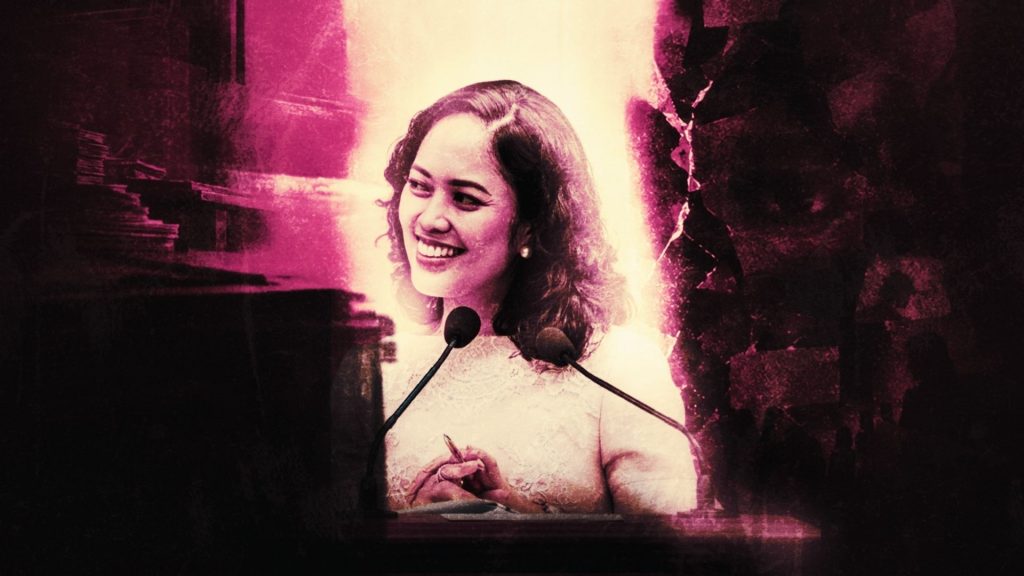
Furthermore, there is little to no support for single mothers in the country. Chief legislative officer for Senator Risa Hontiveros, Jaye Bekema, who became a single mother-of-four herself after being widowed, was among those who pushed for an act supporting Filipino mothers. Yet, progress remains passive.
“Sana maisip mo rin kung ilang taon akong natulog mag-isa habang nangungulila ako sa yakap ng mga mahal ko… kung gaano kasakit sa akin ang mag-alaga ng mga batang hindi ko kaano-ano, samantalang kayo, kayong mga anak ko, hindi ko man lang maalagaan.”
– Vilma Santos as Josie in Anak (2000)
The weight of expectations
What makes this burden even heavier is how society continues to define motherhood itself.
In Filipino culture, mothers have long been viewed as the “ilaw ng tahanan,” the emotional center of the family responsible for nurturing, caregiving, discipline, and maintaining the home. But while women’s responsibilities have expanded over time, expectations surrounding motherhood have hardly changed.
Still, many mothers are expected to contribute financially or even solely while still carrying most emotional and domestic labor within the household. Even when women work full-time, caregiving responsibilities often remained attached to them almost entirely. According to UN Women in 2023, globally, women spend an average of 10 years on care work compared to four years for men.
This creates a standard that is difficult, and sometimes impossible, to even sustain. And when women fall short of even one expectation, judgement often follows quickly.
“Ang lalaki kapag binigyan niya ang pamilya ng pagkain, damit, bahay, tapos napag-aral niya yung mga anak niya agad sasabihin ng mga tao ‘Aba, mahusay siyang ama.’ Pero kapag babae ka, kahit ibinigay mo na ang lahat ng ‘yon sa mga anak mo, kasama pa pati puso mo pati kaluluwa mo, parang ‘di pa rin sapat na tawagin kang mabuting ina?”
– Vilma Santos as Josie in Anak (2000)
Romanticizing a mother’s suffering
While families may survive because of mothers’ sacrifices, mothers themselves along the way.
Some lose years with their children that can never truly be recovered, and others slowly lose physical and emotional health after years of overwork, stress, and emotional strain. For many women, motherhood starts to consume the parts of themselves that once existed outside family responsibilities.
Dreams become postponed indefinitely, personal ambitions are set aside, and identity slowly narrows into being a mother. Because for many Filipinas, motherhood is not only life-changing — it can also become life-consuming.
Despite these realities, the society continues to romanticize maternal sacrifice.
Mothers are praised for enduring hardship silently, exhaustion becomes associated with love, and self-sacrifice becomes treated as proof of good motherhood, concealing the deeper issues that force women into these situations in the first place.
Existing beyond sacrifices
People praise their sacrifices, but rarely ask what those sacrifices have cost them.
“Kung hindi mo ako kayang ituring bilang isang ina, respetuhin mo man lang ako bilang isang tao. ‘Yung lang Carla. ‘Yun man lang.”
– Vilma Santos as Josie in Anak (2000)
After all, beyond being providers, caregivers, and symbols of strength, mothers are still human beings first.
Indeed, never underestimate a mother’s love — but also, never build a world that depends on it to survive.