




Now Reading: Can we still afford the cost of living in today’s economy?
-
01
Can we still afford the cost of living in today’s economy?
Can we still afford the cost of living in today’s economy?

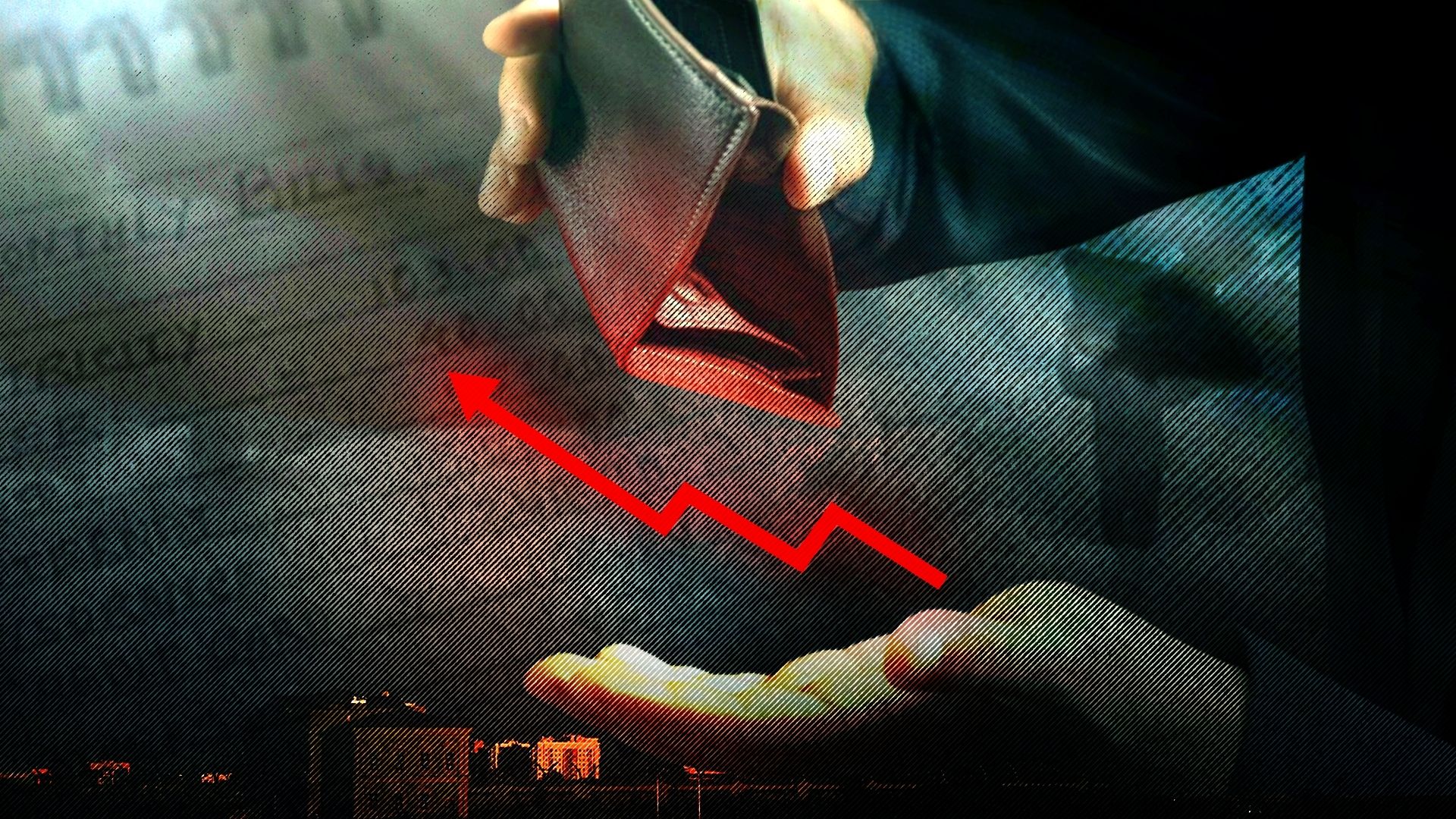
When did living become expensive?
It is an undeniable fact that the Philippines has long been suffering from accumulated debts and price surge. The cost seems to be rising faster than most can keep up with.
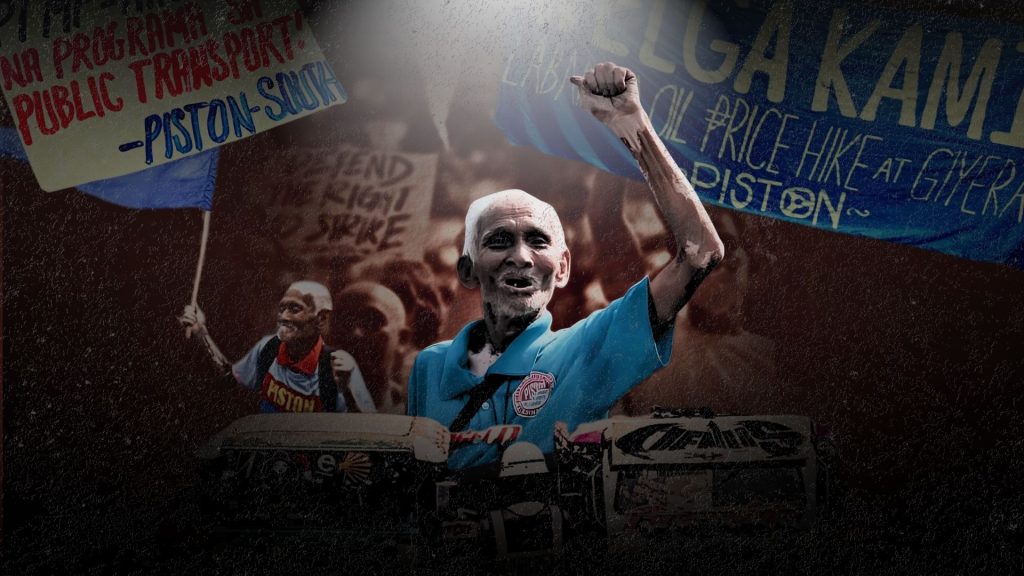
As inflation continues to affect the prices of goods and services, and wages struggle to keep up with the expenses… Many families find themselves adjusting their lifestyles to survive. The seemingly small compromises, such as skipping meals, limiting transportation, and buying the lowest-deal products, slowly accumulate into larger sacrifices that impact the lives of several people.
Inflation and Rising Prices
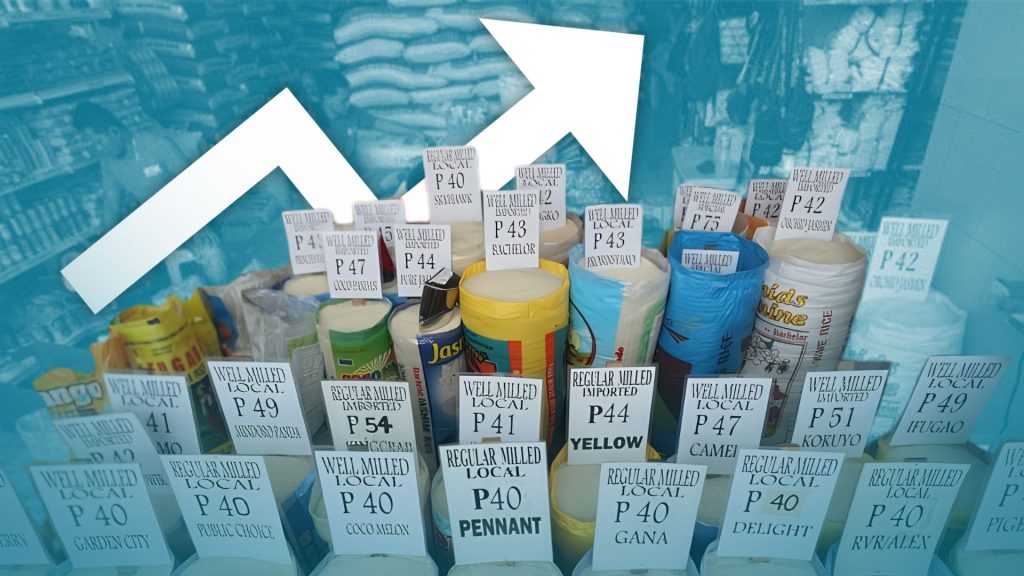
Inflation continues to be one of the primary culprits of the skyrocketing cost of living in the country. The Philippine Statistics Authority (PSA) reported that in March 2026, the purchasing power of the Philippine peso fell to a historic low of 75 centavos; this means that consumers are able to buy less with the same amount of money spent. Additionally, the weakening of the Philippine peso was intensified by several factors, both in the global and local context. For instance, the fuel price hikes and geopolitical tensions affect the cost of imported goods.
The effects of inflation are most visible in everyday expenses. Basic commodities that were once affordable can no longer be labeled as such and are now subject to frequent price increases. Even basic necessities such as soap, shampoo, toothpaste, and other hygiene products or a few chips can already cost around P500 or more, depending on the brand and quantity. It is not enough to cover basic necessities, let alone prepare a Noche Buena feast.
Disparity Between Wages and Expenses
Unfortunately, wages have not kept pace with the increases of basic goods and services. Workers, especially those earning minimum wage, find that their monthly income is barely enough to cover essential needs. In many cases, even full-time employment is not sufficient to achieve financial stability; this shows the imbalance between what people earn and what they need.
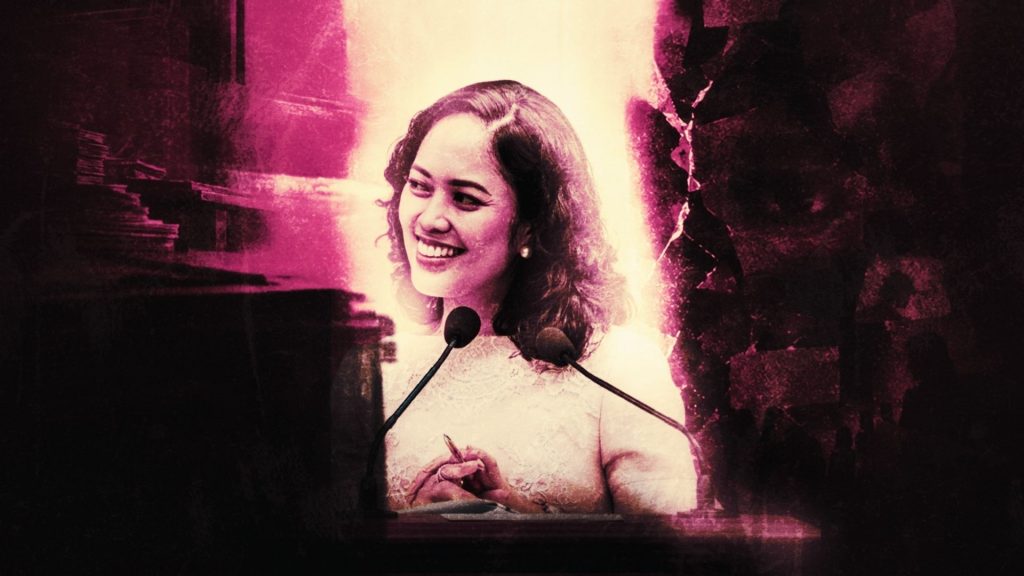
The Department of Labor and Employment (DOLE) said the NCR Regional Tripartite Wages and Productivity Board has been presented with 16 wage increase petitions, with some proposals seeking to raise the daily minimum wage to P1,200 and others calling for a P500 increase per day. Until then, people cope with these disparities by taking on additional jobs or side hustles, while others reduce spending on essential needs. While others rely on loans or financial assistance from relatives just to meet their daily expenses.
Impact on Filipino Households
The rising price of basic commodities has raised serious concerns for every Filipino household. As the burden of inflation continuously persists, the viability and sustenance of these groups are on the brink of breaking point. Moreover, even a small increase in food and transportation can break the rigid framework of these households, forcing them to focus on immediate needs for survival over longitudinal planning and efficiency.
The Price of Everyday Life
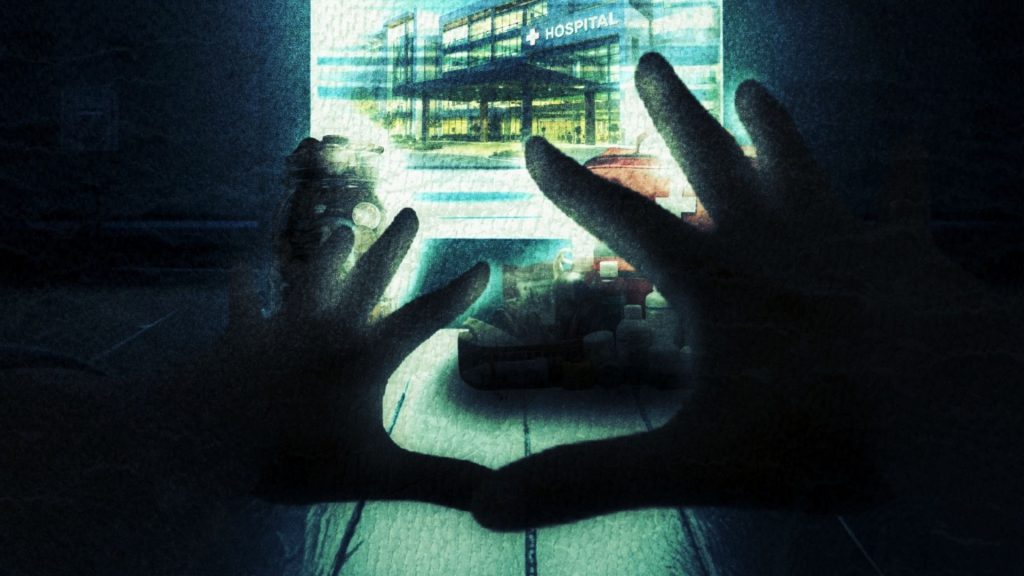
Filipinos are paying for a price that barely fits within their means. What was once considered an affordable standard of living is now becoming increasingly difficult to sustain. Priorities are narrowed down to the most essential needs, while other aspects of life including leisure, savings, and health needs are often set aside.
An economy that becomes a daily effort to stay afloat, even basic survival can feel like a luxury, is not an ideal environment for people to live in. This situation calls for urgent attention from both policymakers and society as a whole. Without effective interventions, the gap between living costs and income will continue to wreck the Philippine economy.