










Now Reading: Why are period cramps so painful? Here’s what happens inside your body
-
01
Why are period cramps so painful? Here’s what happens inside your body
Why are period cramps so painful? Here’s what happens inside your body

For millions of women, the arrival of a monthly period often comes with an unwelcome companion— menstrual cramps. Though commonly dismissed as a routine part of menstruation, the pain can range from mild discomfort to debilitating aches that can interfere with daily life.
Known medically as dysmenorrhea, menstrual cramps are among the most common health concerns experienced by women in their reproductive years. According to the American College of Obstetricians and Gynecologists (ACOG), more than half of women who menstruate experience some degree of pain during their periods while others experience symptoms severe enough to interfere with normal activities.
Despite their prevalence, many people still know little about why menstrual cramps happen.
A painful but natural process
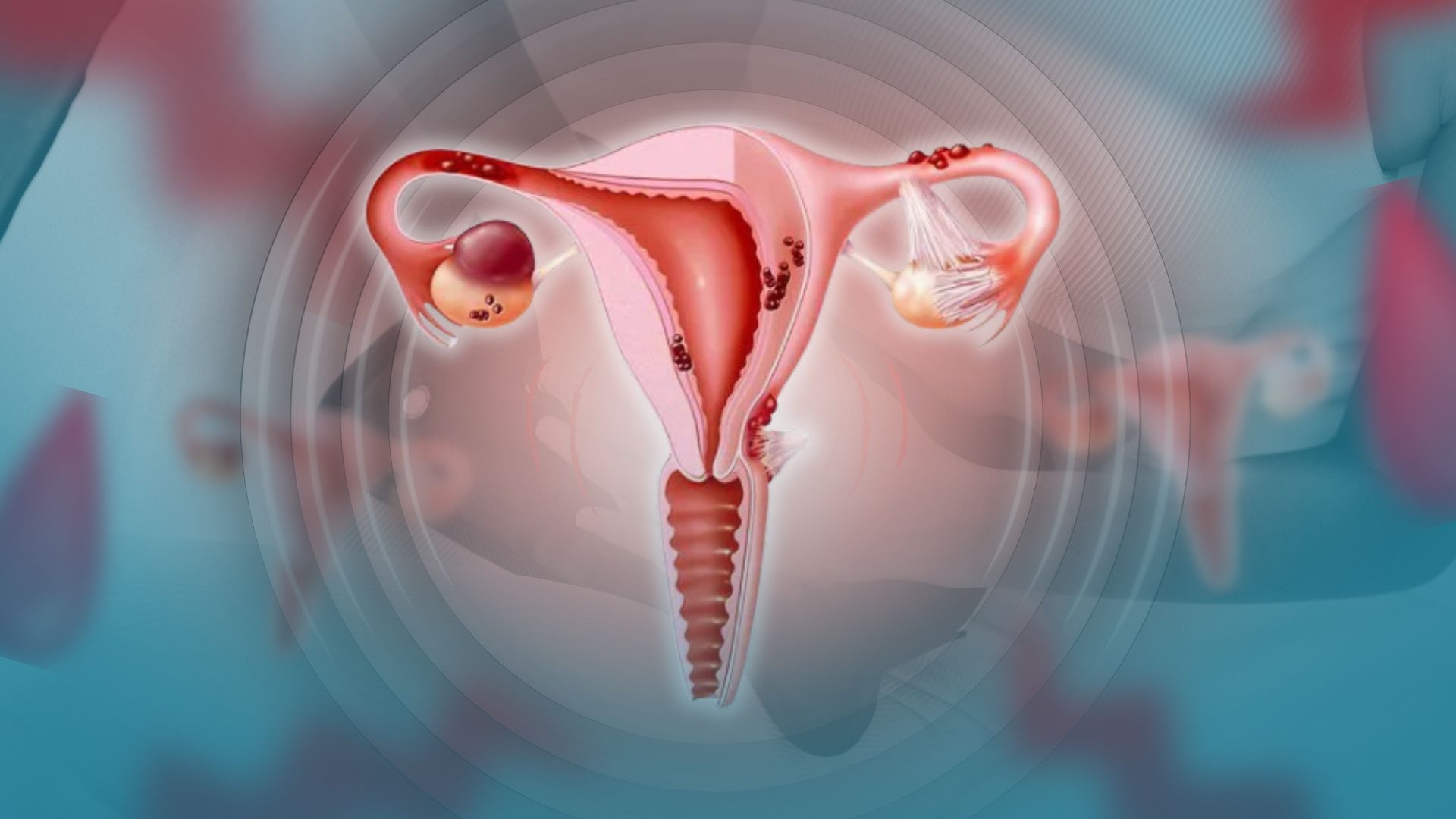
Cramps occur as part of the body’s natural menstrual cycle. Every month, the uterus prepares for a possible pregnancy by developing a thick inner lining called the endometrium. If pregnancy does not occur, hormone levels drop, signaling the body to shed this lining through menstruation.
To remove the tissue, the uterus contracts repeatedly. These contractions are triggered by hormone-like chemicals called prostaglandins which are produced in the uterine lining.
Prostaglandins play an important role in helping the uterus expel menstrual tissue. However, higher levels of these chemicals cause stronger and more frequent cramping.
These powerful contractions can temporarily compress nearby blood vessels reducing the flow of oxygen-rich blood to the uterine tissue. As a result, the tissue experiences a short period of oxygen deprivation producing the pain commonly recognized as menstrual cramps.
Health experts note that prostaglandin levels are highest during the first days of menstruation which helps explain why cramps are often most painful during the first 24 to 48 hours of a period.
The process is similar to a muscle cramp during exercise. Just as overworked muscles can ache when oxygen supply is limited, the uterine muscles can become painful when contractions temporarily restrict blood flow.
Beyond the usual cramps
While menstrual cramps are usually associated with pain in the lower abdomen, the effect of prostaglandins can extend beyond the uterus.
Many individuals also experience headaches, nausea, vomiting, diarrhea, dizziness, fatigue, and lower back pain. During menstruation these symptoms occur because prostaglandins can enter the bloodstream and affect other organs and body systems.
For some women, the discomfort may be manageable. For others it can be severe enough to make getting out of bed difficult.
Research published in StatPearls found roughly four out of every five teenage girls may experience menstrual pain, while nearly two out of five may experience pain severe enough to significantly affect their daily activities.
The everyday impact
Although menstrual cramps are often viewed as a private matter, their effects can be felt far beyond the home.
Students experiencing severe cramps may struggle to concentrate during lessons, participate in school activities, complete assignments, or attend classes altogether. Workers may find it difficult to continue maintaining productivity, while others may experience disrupted sleep exhaustion and reduced motivation.
Studies have consistently shown that menstrual pain affects education and daily participation. A review published in the journal Pain Research and Management, shows that one third to one half of young women with dysmenorrhea missed school or work at least once during their menstrual cycle because of pain.
In some cases the pain was severe enough to limit participation in sports, social events, and other daily activities.
A recent study also found that students whose menstrual pain was not effectively relieved were significantly more likely to miss school compared to those who were able to manage their symptoms.
Beyond attendance, menstrual pain can also affect academic performance. Research suggests that up to 41% of students report that menstrual pain negatively impacts their ability to perform well in school.
Because effects are often invisible, the burden of menstrual pain is frequently underestimated. Yet for many young women, the monthly struggle involves more than temporary discomfort; it can influence learning, participation, and overall quality of life.
When discomfort is more than normal
Most menstrual cramps are classified as primary dysmenorrhea, meaning they are caused by the menstrual process itself and are not linked to underlying disease. In these cases, prostaglandins are the primary drivers of pain.
However experts emphasize that severe worsening or unusually persistent pain should not always be considered normal.
Some cases are classified as secondary dysmenorrhea or a form of menstrual pain caused by underlying reproductive health conditions. Disorders such as endometriosis, adenomyosis, uterine fibroids, and pelvic inflammatory disease can all contribute to painful menstruation.
One challenge is that these conditions often go undiagnosed because their symptoms are mistaken for ordinary period pain. As a result many women spend years living with pain before receiving proper medical attention.
Looking beyond the usual
Menstrual cramps may be common, but the reasons behind them are far from simple. What seems like a routine part of menstruation involves hormones, chemical messengers, muscle contractions and changes in blood flow all working together to cause this pain.
As awareness of women’s health issues continues to grow, experts encourage individuals to pay attention to what their bodies are telling them. While some discomforts during menstruation is common, severe pain that regularly disrupts daily life should not be ignored.
Understanding why menstrual cramps happen helps break misconceptions surrounding menstrual health. More importantly, it encourages conversations that treat period pain not as a taboo topic,but as a health issue deserving of attention, research and care.