




Now Reading: From Carrying a Camera to Carrying a Community
-
01
From Carrying a Camera to Carrying a Community

You do not have to know where journalism will take you.
Just keep telling the story in front of you.
These could well have been the words that would define my entire experience in campus journalism. I joined the world of journalism with a camera in hand, an eye that was curious through the lens, and had no clue about where pressing the shutter would take me. I did not know that while learning to take pictures, I was slowly learning to see and understand stories and communities.
When I was working as a campus photojournalist, I believed that the task was easy and consisted of being where the action happened, aiming my camera and taking the picture. I was inexperienced, curious, and naive enough to believe that a good photo was a beautiful one, that made people stop scrolling and winning some competitions.
I was mistaken.
The more time I spent behind the camera, the more clear it became to me that photojournalism was not about the camera at all. It was about learning how to see.
It taught me to look again.
To notice the person standing silently at the periphery of the shot. To notice the trembling hands before somebody starts speaking. To understand that, sometimes, the most essential thing in the story is not the person who holds the microphone, but the person sitting in the crowd and listening.
My camera gave me what I call now a vulnerable eye.
It made me more sensitive to stories. It made me realize who hides behind them.
And somewhere along the line, I stopped taking photographs of events merely because those events happened. I started taking them because they were significant.
The fragile eye eventually traveled with me outside the viewfinder.
It went with me in reporting. In organizing. In leading. And eventually, into Explained PH.
I never imagined any of these things would happen to me.
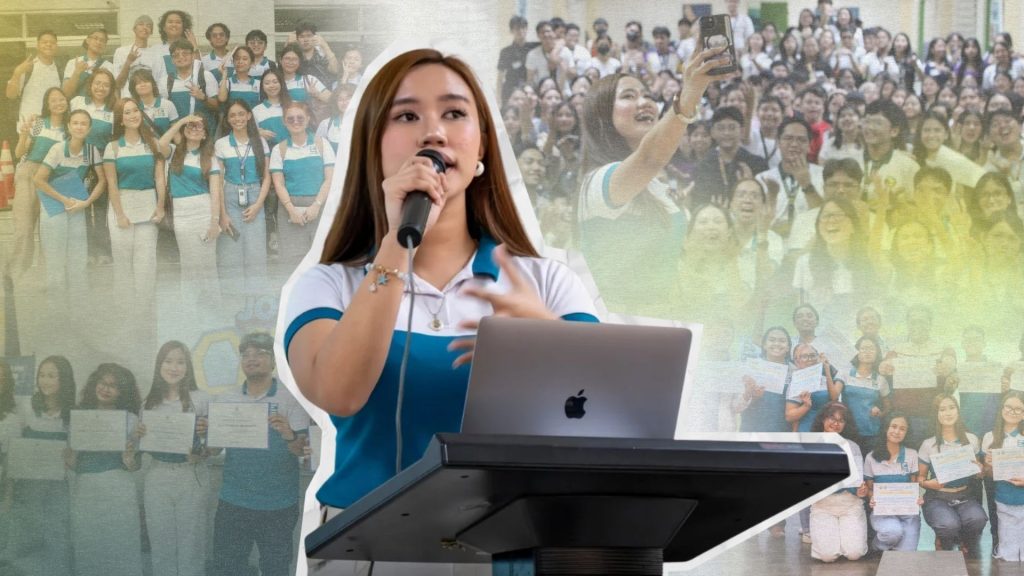
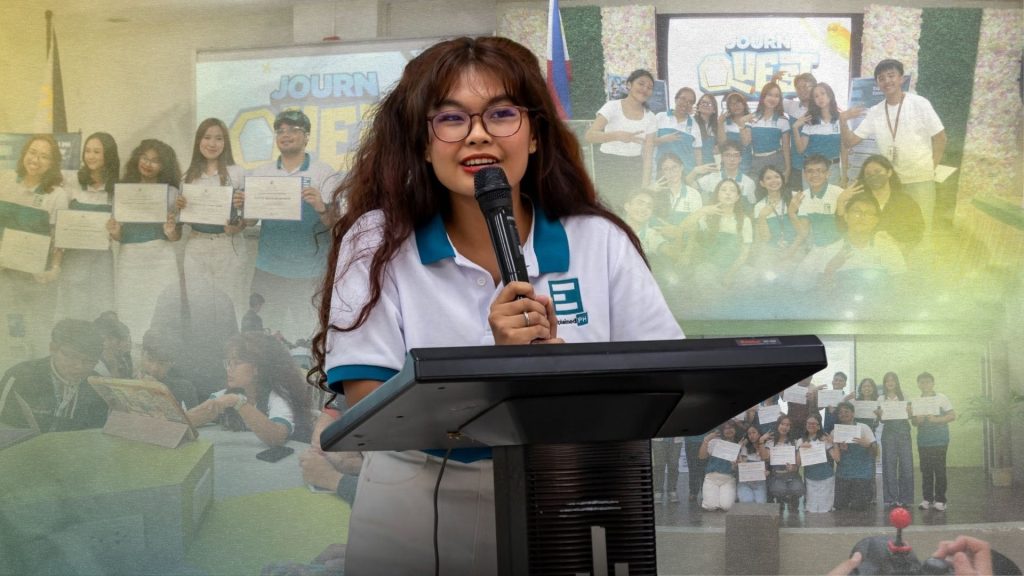
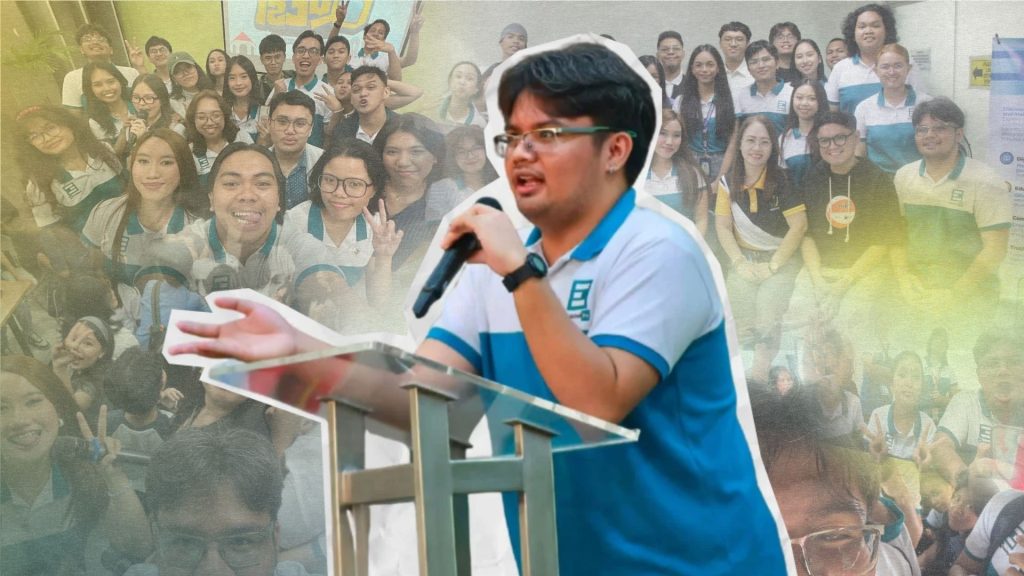
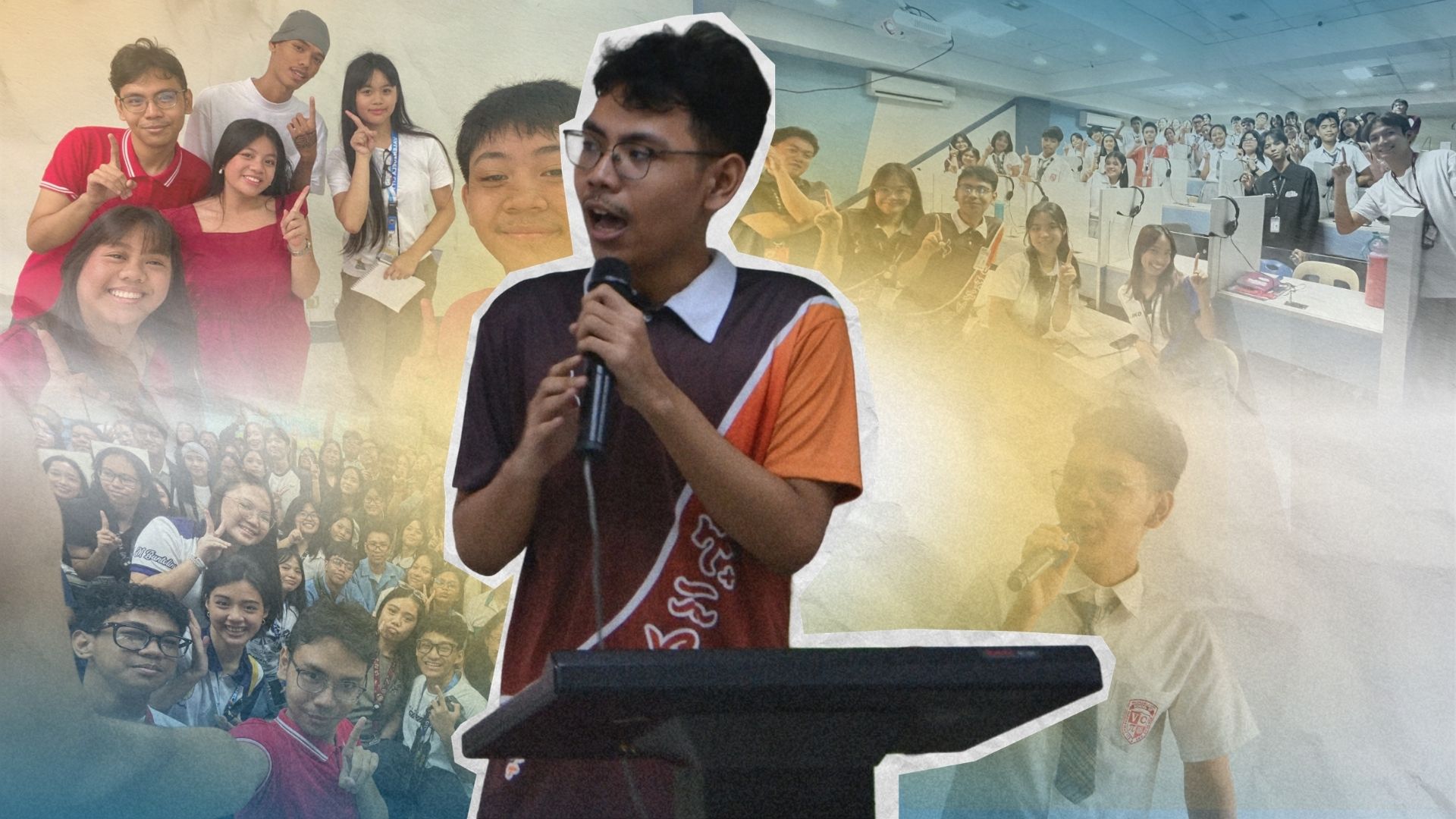
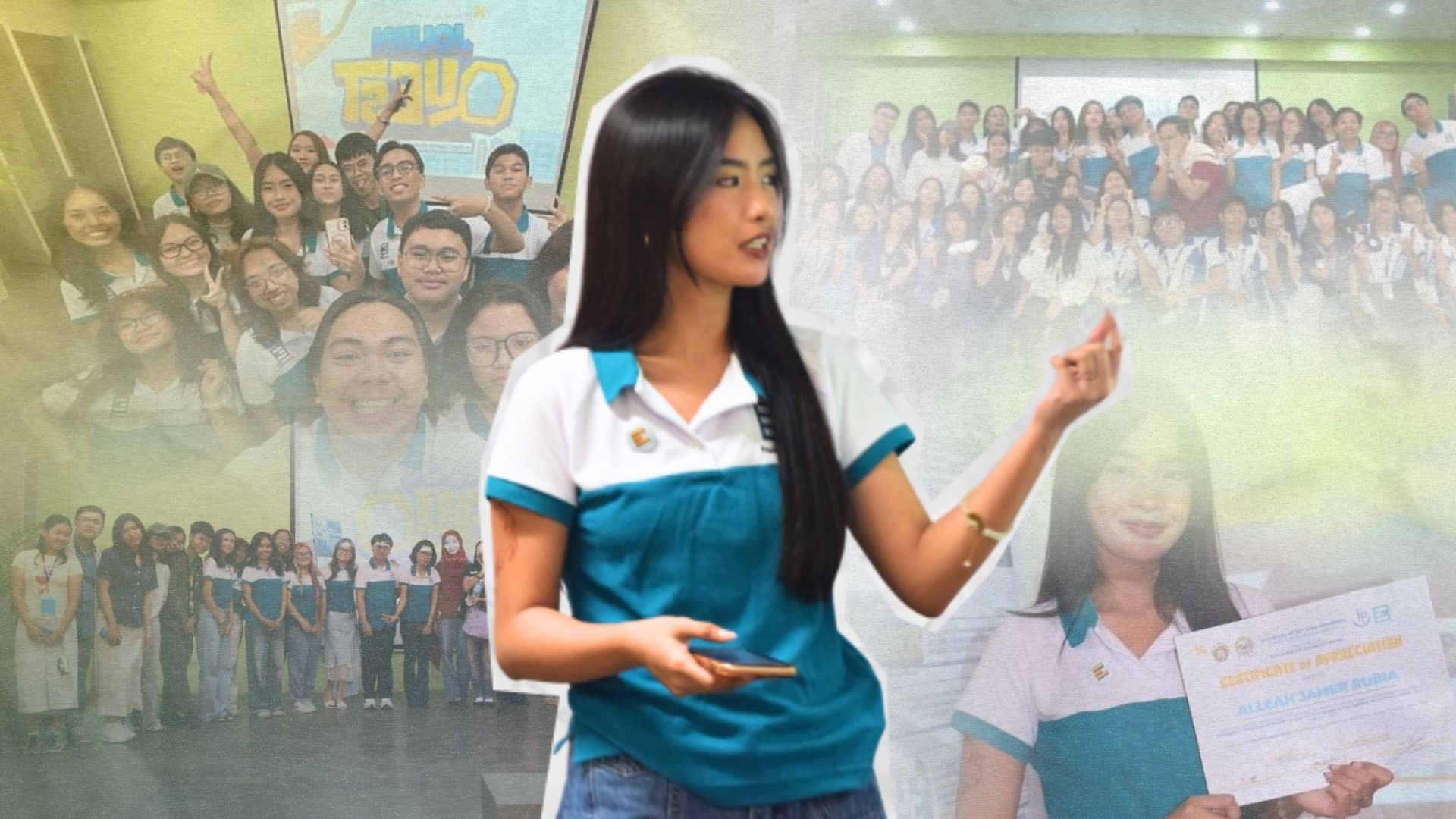
I was once merely a campus journalist struggling to find ways to take a photograph that would convey its message without needing captions. I did not think I would ever get there where I would be teaching young journalists in JournQuest Cebu the lessons that I needed to learn myself when I was their age.
It seemed somewhat surreal. For I saw myself in them.
The student who was both nervous and excited. The student who wants to win. The student who wants to prove herself. The student who thinks journalism is all about medals, placements, and bylines.
I understood them because I had been in their shoes.
And that is what made JournQuest Cebu something different from just running a journalism caravan. It made me appreciate the power of vulnerability, once you learn how to use it to change how you perceive things.
But maybe the most important lesson journalism has ever taught me is that you learn to stop just carrying your own story.You start carrying other people’s stories.You carry their trust when you give them the chance to speak. You carry their burden of having their stories reported accurately. You carry the voice of someone who does not get to talk about themselves freely.
And when you become a leader of a community, you carry the people who entrusted you with their support.
This is what Cebu Bureau means to me. Not a title. Not a position. A community. And I could never say I did it all by myself.
There were those who showed up in tough times. Those who stepped up to cover. Those who worked past deadlines. Those who questioned my thoughts and ideas. Those who believed in me even when I had not quite started believing in myself yet. Those who grabbed hold of their own cameras and notepads and in their own way, told me they too wanted to tell stories.
They all became part of the picture.
And maybe that is the most wonderful thing about being a journalist. A photograph has a frame but the journalist’s mind does not have to. You can begin with the camera and suddenly end up at a place you did not even know existed. You can start out by taking photos of a community and end up carrying that whole community on your back. I was a photojournalist beginning with a camera in hand.
But JournQuest Cebu reminded me that somewhere along the line, I found myself carrying something far more heavy, and far more precious:
a community’s stories, hopes, dreams and voices.
And if I had the chance to talk to my younger self today, this is what I would say:
Don’t stress yourself too much over taking the perfect picture.
Learn to see the people in front of you.
As one day the vulnerable eye you have developed, will be your lesson in leadership; to feel and see one might not see.