











Now Reading: Your brain may have already decided to socialize before you do
-
01
Your brain may have already decided to socialize before you do
Your brain may have already decided to socialize before you do

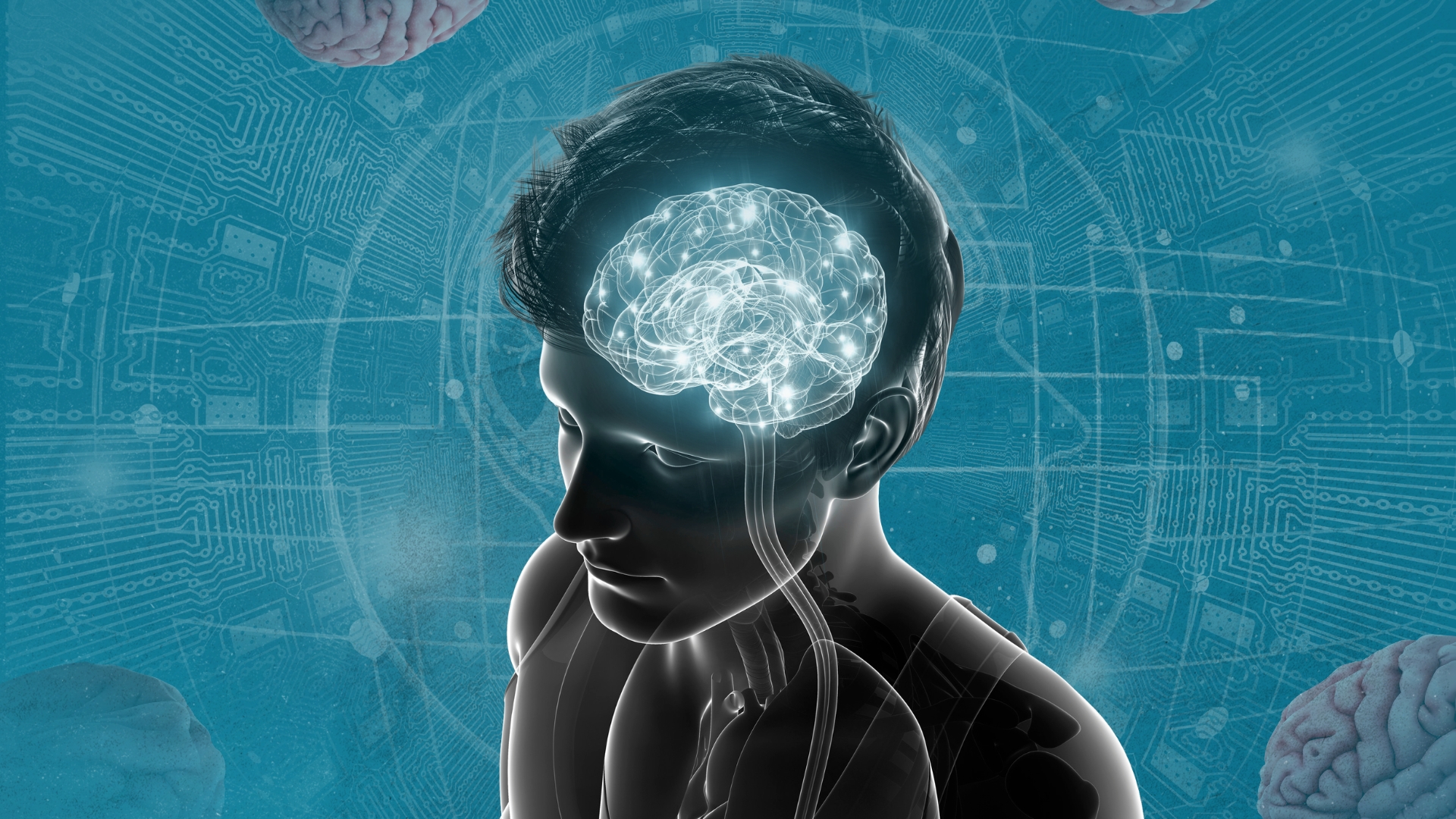
What if your brain decides to socialize before you even realize it? Scientists may have found part of the answer hidden deep inside the brain.
Researchers from the Edmond and Lily Safra Center for Brain Sciences (ELSC) at the Hebrew University of Jerusalem found that coordinated brain activity linked to social behavior begins several seconds before movement starts.
Led by Dr. Lilah Avitan, the team used zebrafish to study how social decisions are formed. Zebrafish are commonly used in neuroscience because their transparent brains allow scientists to observe brain activity in real time.
The researchers developed a setup in which one fish watched and responded to another swimming nearby while its entire brain activity was recorded, allowing them to track how the brain turns social information into action.
They found that when a fish was about to approach another, its brain began changing several seconds before the movement occurred.
The researchers called this activity a “pre-decision state”— a coordinated brain-wide signal that appears before a social action and can predict the behavior before it happens.
This suggests that social motivation may not simply arise at the moment of action. Rather, an individual’s desire to connect with others may already be reflected in the strength of their brain’s preparatory activity.
The findings also pointed to a central role for the pallium, a higher brain region linked to complex behavior. The researchers identified it as a key area that helps promote social approach and drive interactions with others.
“This study identifies a brain-wide neural signature of social approach that emerges before movement begins,” said Dr. Avitan. “This signature predicts not only whether an upcoming action will be social, but also how strongly socially driven the individual is.”
This finding suggests that the brain prepares for social interaction before movement even begins, and that the strength of this preparation may help explain why some individuals are naturally more social than others.
Although the study was conducted on zebrafish, scientists believe the results could help explain why individuals differ in sociability. Because similar brain structures are involved in social behavior across many species, these findings may eventually provide insights into human social behavior as well.