








Now Reading: When fitness becomes ‘mainstream,’ progress becomes unstoppable
-
01
When fitness becomes ‘mainstream,’ progress becomes unstoppable
When fitness becomes ‘mainstream,’ progress becomes unstoppable

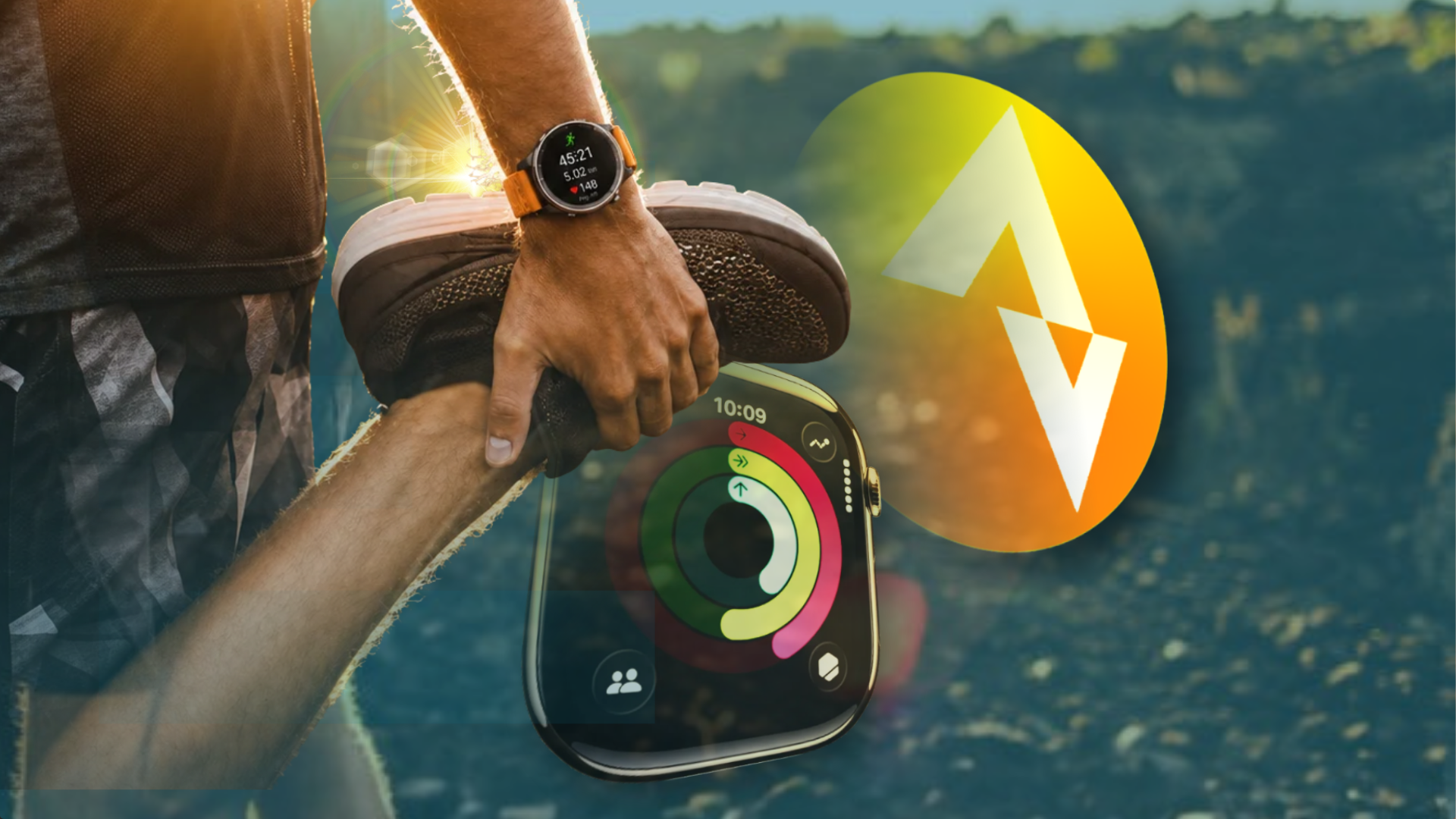
Here’s a scene: you prepare for a morning jog, you open Strava, you check your pace and distance covered, you post your progress on social media, and before the day even begins, you already feel productive. This exactly captures why the current fitness trend is more addictive than ever—and there is nothing inherently wrong with that.
Like many trends cultivated through social media platforms, digital fitness adoption is surging as consumers turn to technology for their health and wellness goals more and more.
More than a trend, statistics have shown a post-pandemic shift among Generation Z and millennials when it comes to health consciousness, prioritizing their fitness and establishing connections within communities—all because of one thing: accessible digital tools and platforms.
Fitness is no longer a niche interest
According to data from Garmin, users performed 8 percent more activities in 2025 compared to 2024, fueled by big jumps in strength workouts, High-Intensity Interval Training (HIIT), Pilates, and racket sports.
Different generations also had their preferences when it comes to exercising: ages 18–29 did the most outdoor running and track running, 30–39 age group logged the most strength training, indoor cardio and treadmill activities, 40–49 age groups did the most trail running, 50–59 age group dominated the indoor cycling, lap swimming, and mountain biking categories, 60–69 led outdoor cycling, along with walking and hiking, and 70+ age group spent the most time on the course golfing.
It has also been supported by a Strava report, which found that for many sport enthusiasts, working out remains non-negotiable even when travelling for vacation, where running, hiking, and water sports become integrated as a travel experience.
What it means is that physical activity is no longer treated as an occasional habit or a specialized hobby across generations, but as a consistent and experience-driven part of an individual’s everyday life.
Aside from the clear trend in numbers, an emerging pattern in the current fitness landscape is the growing diversity in how people choose to stay active, straying away from limiting themselves to only one activity, but instead exploring multiple forms of movement.
Though individuals still find it challenging to start a new sport, twice as many Gen Zs would pick up a new sport even if it’s intimidating than Gen X does.
One thing: modern fitness culture has become increasingly exploratory and adaptable.
Here are the top fitness and wellness trends in the country:
Dawn of digital fitness in wearables and AI coaching
Wearable technology like smartwatches, rings, and fitness trackers remains the top global fitness trend, to no one’s surprise, and has become an essential part of fitness with the amount of data it can provide.
With new trackers offering higher levels of functionality, integration, and user comfort, alongside the emergence of state-of-the-art sensors such as wearable sweat sensors and haptic human–machine interfaces (HHMIs), understanding recovery, sleep quality, heart rate zones, and stress levels is becoming easier and embedded in everyday activities.
What this offers for athletes or sports enthusiasts is how to work out smarter and generate personalized recommendations based on the recorded data from their workouts, this is the same area where artificial intelligence (AI) coaching plays a key role.
AI coaching acts as a passive assistant that generates structured plans for learning journeys and recommending specific workouts from the patterns it extracted across sessions from real-time metrics.
It is reported, 46 percent of survey respondents would use AI as a smart coach for sports, with Gen Z embracing AI for coaching at a higher level than other generations.
Strength in sweats and outdoor fitness circles
Beyond technology, digital fitness is also reshaping how people connect with one another, categorizing themselves on micro-communities that motivates them to keep going.
In 2025 alone, online communities and clubs nearly quadrupled, with Strava recording one million total clubs on the platform, while club-organized events also rose, showing how individuals see this opportunity to connect with others through shared fitness activities.
From run clubs, outdoor bootcamps, walking groups, to hybrid race events, physical activity has become communal and accessible among Filipinos.
This also reflected in Garmin’s report, where its top activities include outdoor recreations, namely outdoor running that increased 6 percent, hiking with 12 percent increase, and racket sports like badminton, table tennis, or racquetball with 67 percent increase.
In other words, fitness is easier today because it has become social.
‘Bite-sized’ workouts is the new norm
Snack-sized workouts or exercise snacks, are short bursts of workouts done throughout the day. Instead of doing one long workout, it is converted to several quick ones that can last 5 to 15 minutes.
Workouts include sets of calf raises and jumping jacks for 10 minutes or sets of squats and bridges for 15 minutes, keeping the routine easy to integrate into daily movement, especially among remote workers, busy parents, and younger professionals who want consistency without spending hours in a gym.
Neurowellness as a new self-care practice
Global Wellness Summit named neurowellness, which focuses on enhancing brain health through evidence-based therapies, as one of the defining wellness movements of 2026.
While an emerging trend, neurowellness shows how brain health can be supported through self-care practices, including wellness scents and sound healing that have seen a spike in interest.
Wellness scents claim to improve mental and physical well-being through aromatic compounds that target specific moods like lavender, eucalyptus, and citrus.
“Unlike other senses such as vision or hearing, olfactory signals travel directly to the olfactory bulb, which is closely linked to the amygdala (responsible for processing emotions) and the hippocampus (involved in memory formation). This direct pathway, involving minimal synaptic transmission, makes olfaction the only sensory system with privileged access to the brain’s emotional and memory centers,” says Christelle Porcherot Lassallette, principal scientist of the Science and Research Division at Firmenich.
Meanwhile, sound healing uses instruments like singing bowls, gongs, chimes, or tuning forks to create vibrations or reach specific frequencies that promote deep relaxation and ease anxiety, inducing a meditative state often called a sound bath.
Other neurowellness activities include breathwork, somatic movement, touch therapies, nature exposure, and sleep timing.
What this leaves us is a clear shift in how fitness is defined. It is no longer a single routine in a specific space and time for a particular health benefit, but a continuous experience shaped by technology and an individual’s lifestyle choices.