










Now Reading: ‘Acutely unhealthy’ air quality level now observed in Metro Cebu
-
01
‘Acutely unhealthy’ air quality level now observed in Metro Cebu
‘Acutely unhealthy’ air quality level now observed in Metro Cebu

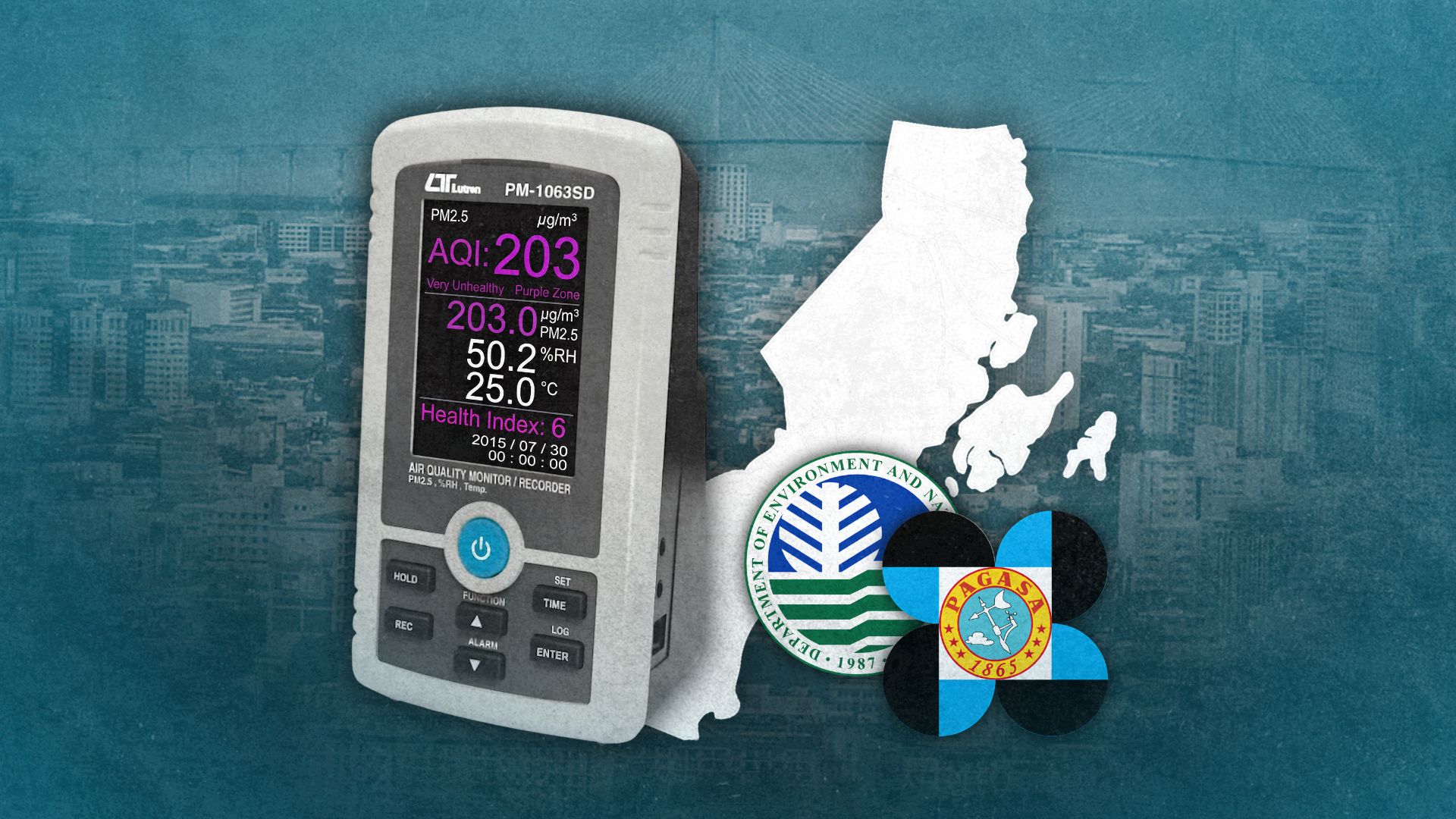
Smoke from forest and land fires in Indonesia has reached parts of the Philippines through the southwest monsoon, worsening air quality in Metro Cebu to an “acutely unhealthy” level on Wednesday, Sept. 2.
The Department of Environment and Natural Resources-Environmental Management Bureau in Central Visayas (DENR-EMB 7) recorded an Air Quality Index (AQI) of 203, with elevated levels of fine particulate matter or PM2.5 driving the deterioration.
The latest monitoring reported Wednesday morning showed that Metro Cebu remained under the “acutely unhealthy” category, where exposure may already affect the general population and pose greater risks to children, older adults and people with respiratory or cardiovascular conditions.
Authorities attributed the pollution largely to transboundary haze from forest and land fires in Kalimantan, Indonesia, which intensified throughout August amid prolonged dry conditions and strengthening El Niño conditions.
PAGASA said satellite observations showed smoke and fine particles being transported toward the Philippines by southwest monsoon or Habagat.
The same atmospheric flow has allowed haze to affect not only Cebu but also several areas in Luzon, Visayas and Mindanao.
Transboundary haze occurs when smoke or air pollutants produced in one area are carried by winds across national borders.
Because the particles in smoke can remain suspended in the atmosphere, they can travel hundreds of kilometers before settling or being washed out by rain.
DENR-EMB 7 Air Quality Specialist Engr. Arthur Niño Calupig said the haze may persist as long as fires continue in Indonesia and the Habagat remains dominant.
Rainfall may temporarily improve air quality by removing particles from the atmosphere, but haze may return if smoke continues to be transported toward the country.
Metro Cebu’s air quality had already worsened on Tuesday, Sept. 1, when DENR monitoring showed AQI readings climbing from 152 to 172 and later 173, all within the “very unhealthy” category.
The increase to 203 on Wednesday pushed Metro Cebu into the next level of the Philippine AQI scale, classified as “acutely unhealthy.”
The main pollutant of concern is PM2.5, or particulate matter measuring 2.5 micrometers or smaller, about 30 times thinner than a strand of human hair.
Unlike larger dust or ash particles that settle more quickly, PM2.5 can stay suspended in the air for longer periods and travel farther.
Its small size also allows it to penetrate deep into the lungs when inhaled and, in some cases, enter the bloodstream.
This also sets the current haze apart from the July 9 Kanlaon ashfall episode, when volcanic ash from Negros reached Cebu.
That event was driven mainly by larger ash particles such as PM10, which tend to settle more quickly, while the current Indonesian haze is dominated by much finer PM2.5 that can remain suspended in the air longer and travel much farther
Exposure may cause coughing, throat and eye irritation, difficulty breathing and chest discomfort, while prolonged or heavy exposure can worsen asthma and other heart and lung conditions.
Atmospheric scientist Gerry Bagtasa of the University of the Philippines Diliman also noted that strong winds would normally help disperse locally produced air pollution.
The persistence of widespread haze despite these winds, together with satellite observations, supports evidence that much of the pollution is being transported from outside the affected areas.
Health authorities have advised residents in areas affected by the haze to limit unnecessary outdoor activities and avoid strenuous exercise when air quality remains poor.
Those who need to stay outdoors are advised to wear properly fitted N95 or similar particulate-filtering masks, particularly members of vulnerable groups.
Officials said conditions may improve once rainfall becomes more widespread or wind patterns change.
However, the duration of the haze will continue to depend largely on the intensity of fires in Indonesia and whether the prevailing winds continue carrying smoke toward the Philippines.