









Now Reading: When truth is gagged, freedom dies
-
01
When truth is gagged, freedom dies


Press freedom in the Philippines is not alive—it is barely breathing. Attacks, harassment, and impunity have long strangled journalism in this country, reducing what should be a constitutional right into a fragile privilege. To silence the press is to strangle the nation’s memory, yet we continue to live in a climate where truth-tellers are threatened and citizens themselves are taught to distrust them.
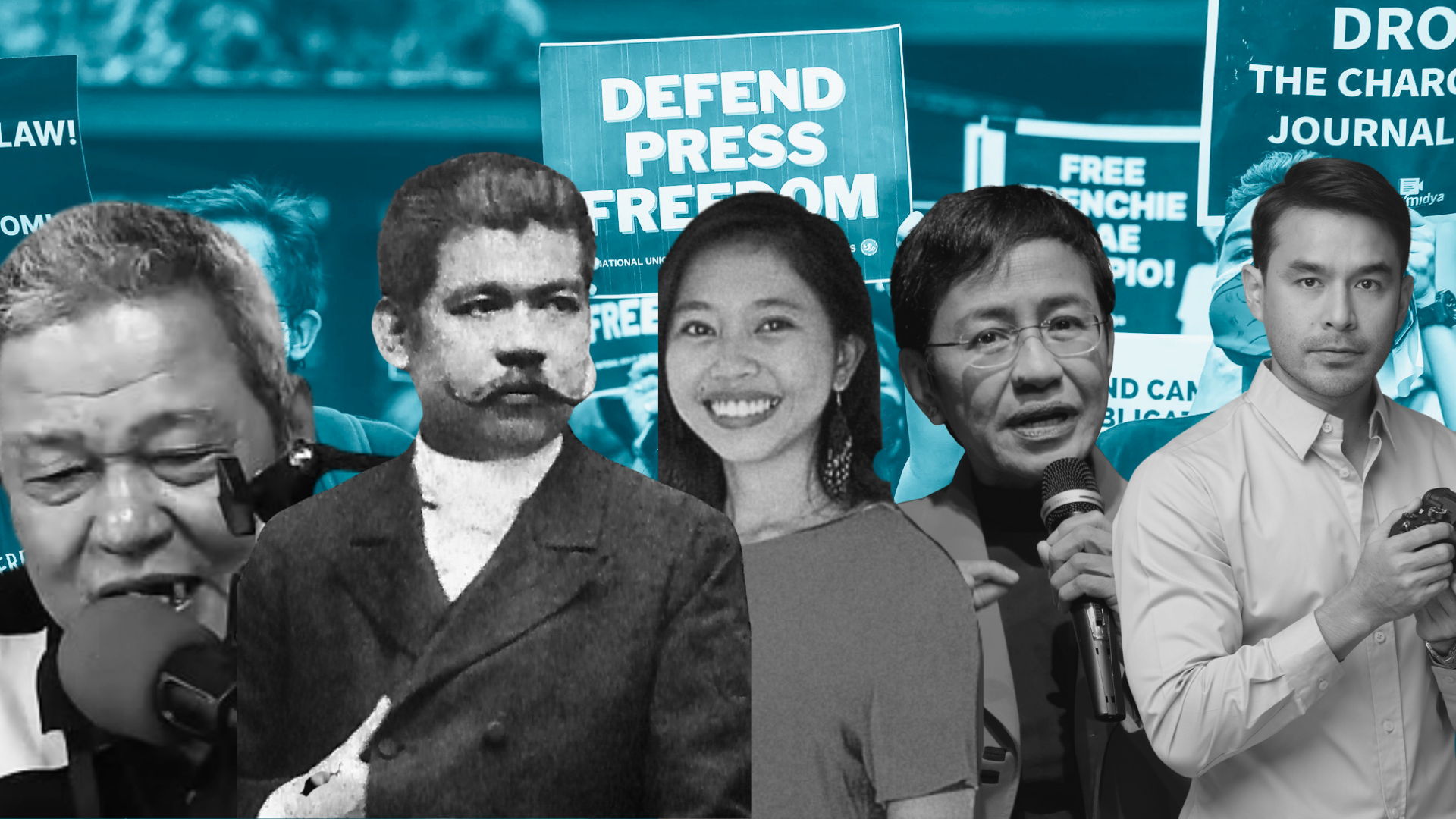
Today, August 30, marks National Press Freedom Day, set in law to honor the father of Philippine journalism, Marcelo H. Del Pilar. But let’s be clear: this is not a celebration. This day is a reminder of a fight that has never ended, a fight Del Pilar himself waged, and a fight that continues to this day.
Constitution vs reality
The 1987 Constitution swore that “No law shall be passed abridging the freedom of speech, of expression, or of the press.” A bold promise, carved into the nation’s legal backbone after the Marcos dictatorship, as if words alone could banish censorship forever.
But reality tells a darker story. Since 1986, more than 200 journalists have been killed in the Philippines, 20 of them under the Duterte administration. Among them was Jesus Yutrago Malabanan, who was shot dead after covering Duterte’s drug war for Reuters. These killings were not random; most targeted reporters covering corruption, human rights abuses, or government misconduct.
Press freedom was meant to be a shield. Today, it looks more like a gravestone engraving—noble words etched in stone while the people it vowed to protect are buried beneath.
Don’t touch my idol
And when journalists aren’t killed, they are discredited. Every time the media reports a scandal, a misconduct, or a lapse in leadership, an army of “defenders” rushes—not to demand answers from their idols, but to attack the journalists.
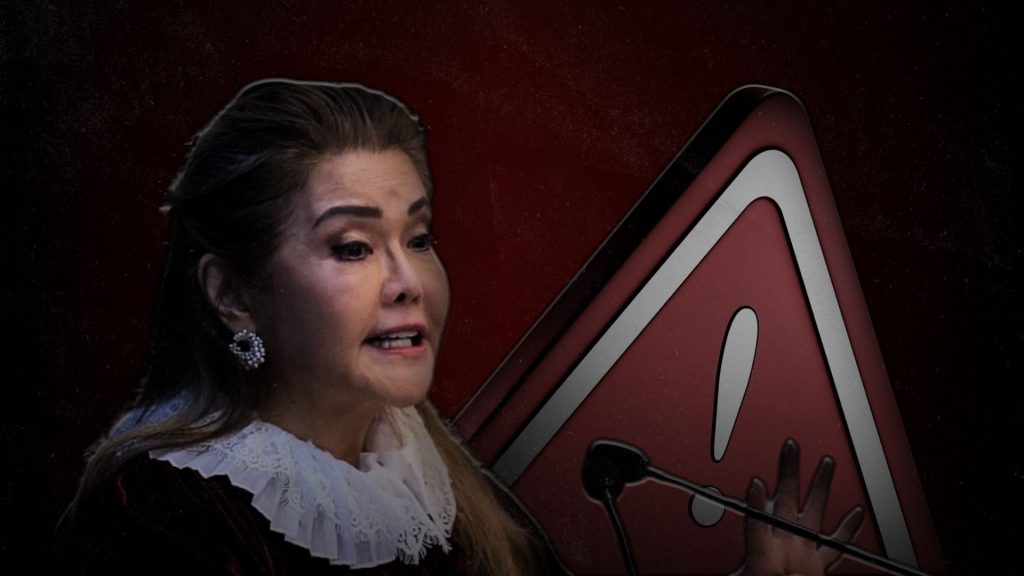
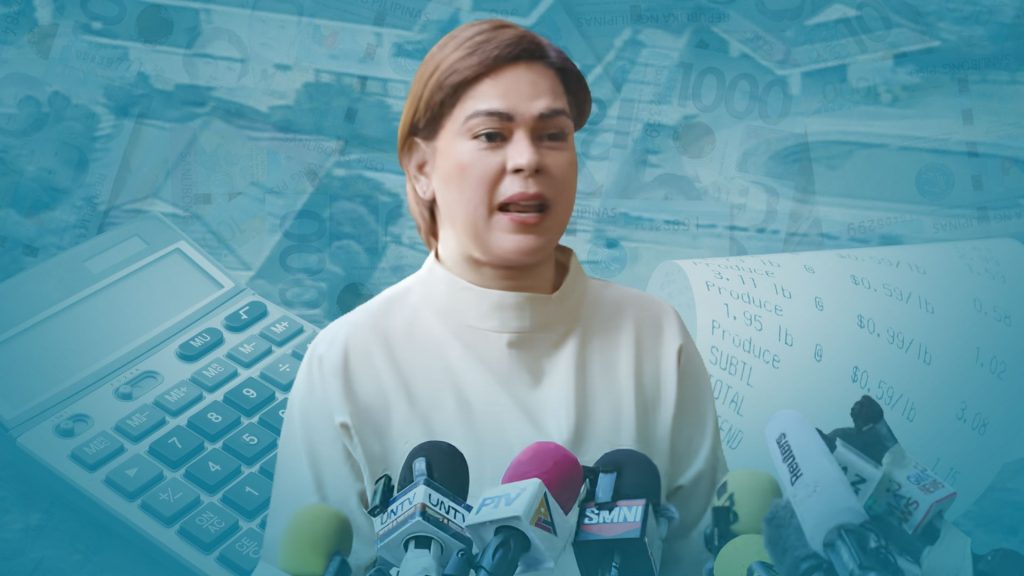
Last December 7, 2024, a video posted by a known Diehard Duterte Supporters (DDS) circulated online, showing how GMA News reporters were driven out of an event where they were set to cover and ask Vice President Sara Duterte about her looming impeachment. The crowd jeered, shouting “Biased media! GMA!” as if silencing questions could erase accountability.
But here’s the truth: attacking the press doesn’t protect your political idol—it robs you of your right to know. Every insult hurled at a journalist chips away at your own freedom to be informed.
Ring lights now outrank headlines
The attacks go beyond words. The discrediting of traditional news is matched by the rise of vloggers and influencers who package lies as entertainment.
In fact, the National Bureau of Investigation (NBI) recently filed a complaint against four vloggers for manipulating interviews of government officials. They spliced statements to make it appear that OFWs would be arrested and should stop sending remittances. It was fake—proven false. Yet many still idolize these vloggers, treating their content as gospel truth because it feeds their political delusions.
Contrast that with what real journalists endure: wading through floodwaters to cover typhoons, standing for hours in rallies, sleeping little to chase stories, facing red-tagging and threats just to deliver verified facts. While vloggers edit spliced clips under soft ring lights, reporters work under floodlights in the middle of disasters, often risking their lives so the public can make informed decisions.
This is the cruel irony: the ones who sacrifice are dismissed as “biased,” while the ones who deceive are worshiped as “truth-tellers.”
Press freedom is not a luxury for journalists; it is the people’s right to know. And every time it is mocked, attacked, or replaced by vloggers who splice lies for views, we are not defending democracy—we are auctioning it off to the highest bidder of clout.
Let’s stop pretending. The Constitution’s promise is useless if it is drowned out by trolls shouting “biased” or if it’s bent to protect leaders who cannot handle questions. What we have today is not press freedom, but a circus where vloggers with ring lights are hailed as truth-tellers while journalists with notebooks are treated like criminals.
Press freedom cannot be honored once a year on August 30. It must be defended every day—in our clicks, in our shares, in our conversations, and in our refusal to let truth die quietly.
Because when the press loses its voice, the people lose their freedom.