








Now Reading: Bird feces seen to promote regeneration through bird perches
-
01
Bird feces seen to promote regeneration through bird perches
Bird feces seen to promote regeneration through bird perches

Natalie Andrea Ayo
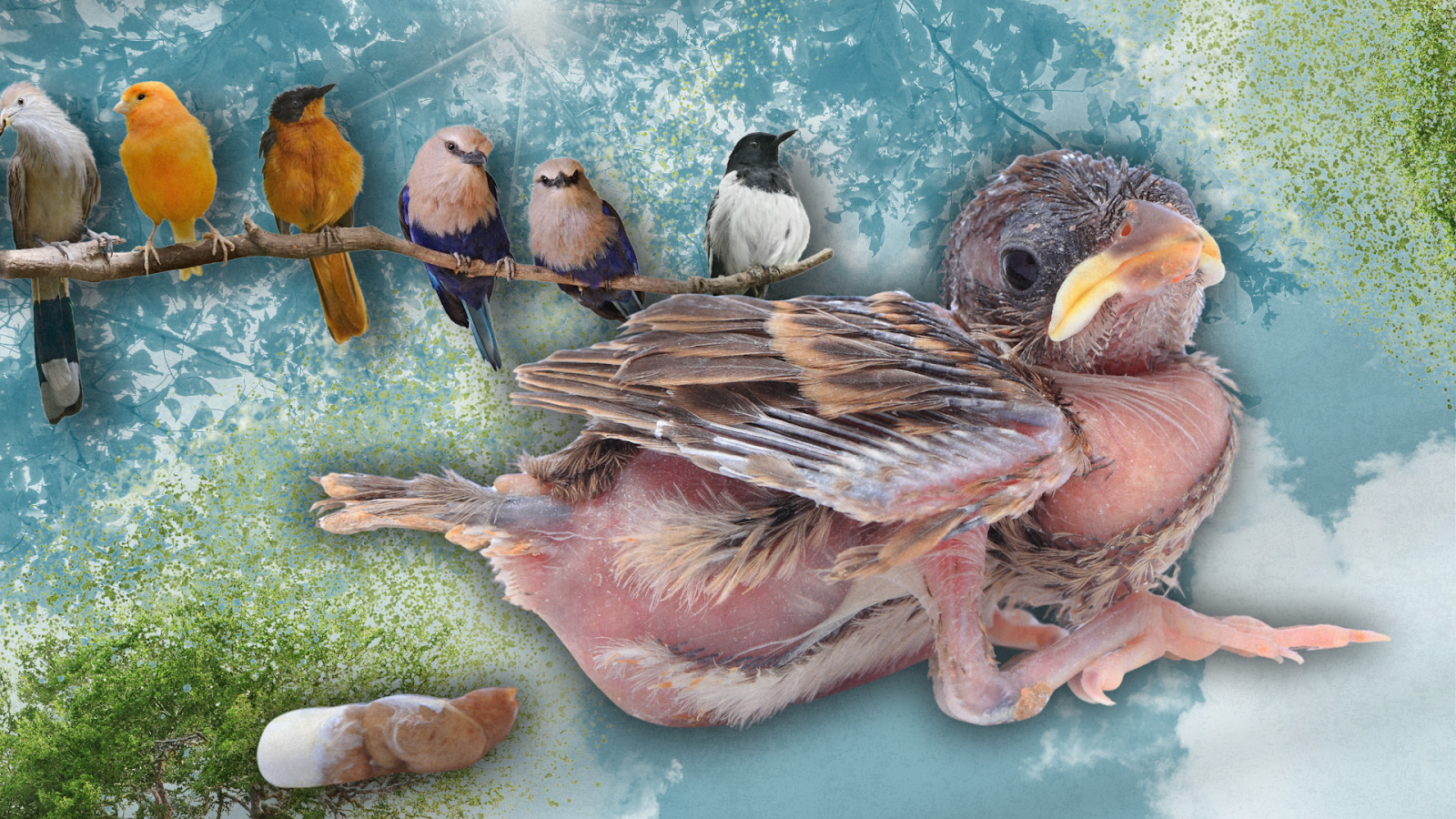
Birds, avians that dominate the sky, are known in biodiversity for their role in seed dispersal. Like nature’s package couriers in the sky they are seen to drop off seeds through their feces, promoting plant germination and diversity.
Recently, a research team led by Dr. Jelaine Gan of the Institute of Biology – University of the Philippines (UP) along with researchers from Newcastle University, University of St. Andrews, and Norwegian Institute for Nature Research assessed studies on effective methods relating to Assisted Natural Regeneration (ANR) relating to bird defecation and reforestation.
Nature’s call and challenges
ANR is nature’s own way of rehabilitation.
The Food and Agriculture Organization of the United Nations defines ANR as a low-cost restoration which enhances productivity and ecosystem functions in degraded lands through simply using natural successional processes for reforestation.
According to data from Global Forest Watch, in the Philippines, a total of 1.42 million hectares (Mha) of tree cover has been lost in the duration of 2001-2022 reflecting a 7.6 percent decrease of the country’s approximately 18.684 Mha total tree cover.
Rising concerns within the country on deforestation is seen to underscore a need to implement various reforestation efforts in degraded areas.
Other methods of reforestation like seedling nurseries, direct seeding, and drone planting, are seen to be resource-intensive and require labor in planting and nurturing the seedlings which may be limited with seedling supply.
Additionally, concerns such as whether or not the correct plant species are planted to benefit the biodiversity is also another thing to take into consideration.
Avian intervention
A simple strategy under the ANR approach is targeting the increase of seed supply to degraded areas, this through our feathery avian friends and their feces.
The idea is that bird perches packed with bird seeds are placed in areas with sparse biodiversity or trees, allowing birds to perch and eat the seedlings then later on do their business and dump their waste on these areas.
Their “package” of seedlings stored in their feces will then grow in these areas which will require little to no maintenance. In time, these perches will no longer be needed to assist the birds.
To strengthen this idea, Gan and her team through a process of meta-analysis carefully conducted a systematic review and created a compilation of data from 396 relevant publications on the idea.
In screening the array of studies, the team found that different types of perches: artificial, natural, and semi-natural perches all yielded the same positive effects but with slight differences.
Artificial or man-made perches include those made of pipes, live fences, or poles. Natural perches came in a variety of types such as shrubs, trees, and tree islands. Lastly, semi-natural perches are those made from dead branches or snags propped up on the ground with a support.
With all the types of perches more plant species were found in the areas compared to areas without perch sites signifying its effectiveness and the birds’ cooperation to their role as seed delivery men.
However, it was shown that the presence of natural perches increased not only the number of seedlings but also the biodiversity and richness of its species.
Not just avian but also human
Concluding the report, the researchers recommend strengthening and preserving natural perches such as shrubs and trees in agricultural farms and also utilizing artificial and semi-natural perches in areas lacking these natural perches.
Accompanied with additional treatments such as soil amelioration and weeding to further rehabilitate the area and strengthen seed establishment the ANR strategy of perches and bird feces can be used in various areas in the country.
These feathery friends carry small packages that can create big impacts on reforestation and biodiversity rehabilitation efforts in the country. With a single bird perch, they are able to deliver packages and administer seed germination through their bird business.