
Now Reading: But when the tables turn…
-
01
But when the tables turn…

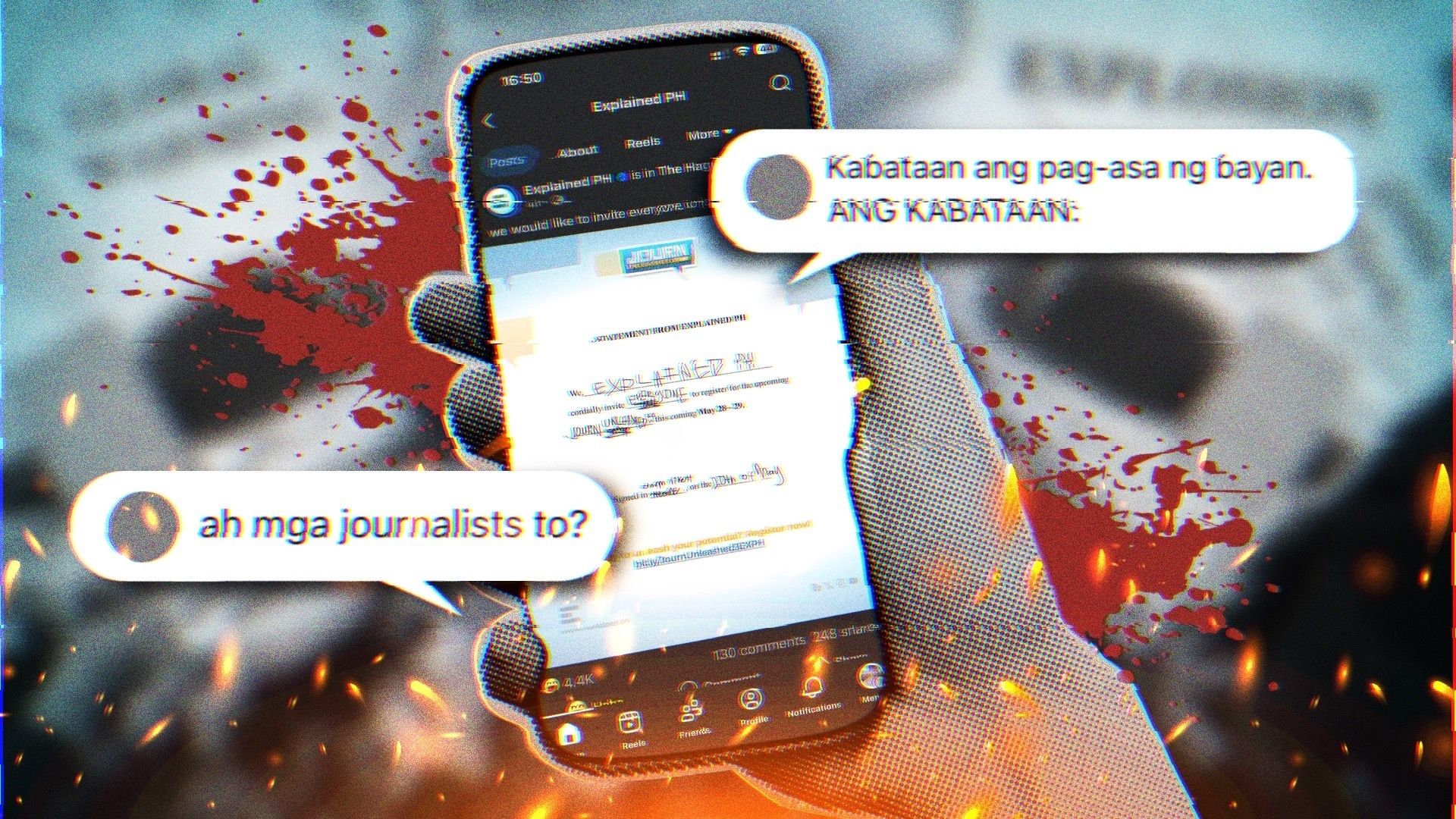
It is quite a treat to let political spats turn into a rage episode for the spectacle.
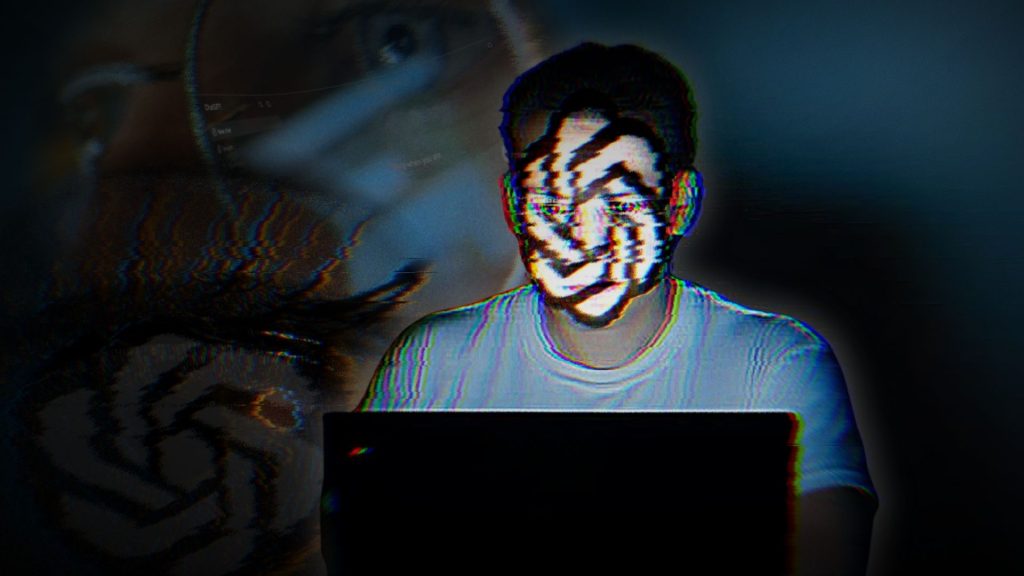
Recently, Explained PH posted a satirical post as part of the publicity campaign for our flagship program, JournUnleashed, a series of online journalism workshops. But rather than critically engaging with the approach, which parodied a high-profile ICC legal document and tagged The Hague, the post was met with severe backlash.
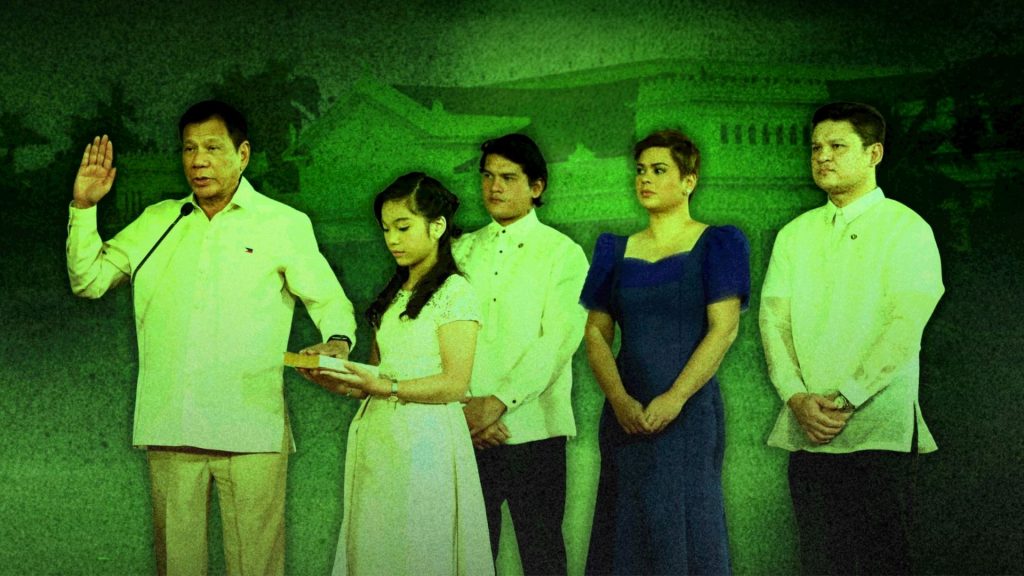
A single social media post was enough to prove how deeply selective morality is embedded in the very fabric of our society. How ironic is it that the very people now crying foul over a satire publication and suddenly invoking “critical thinking” are often the same individuals who previously defended and tolerated former President Rodrigo Duterte’s misdemeanors and aggressions.
One of Duterte’s greatest iniquities was his aggressive and public objectification of women, justifying his misogynistic “punchlines” on the basis of supposed male predominance. His rhetoric is no respecter of persons. Whether one was an innocent citizen from Baguio, an Australian missionary like Jacqueline Hamill, a counterregime, or even a Vice President like Leni Robredo, all were bound to be disparaged the same.
Another issue lost to the engagers’ broken moral compass was Duterte’s remarks mocking God and the Pope. He once stated, “These bishops that you guys have, kill them. They are useless fools. All they do is criticise,” in response to the Catholic Church’s opposition to his inhumane policies toward illegal drug users. To him, even God is stupid and a “son of a whore”, a statement he made on the concept of original sin at a technology summit in Davao in 2018.
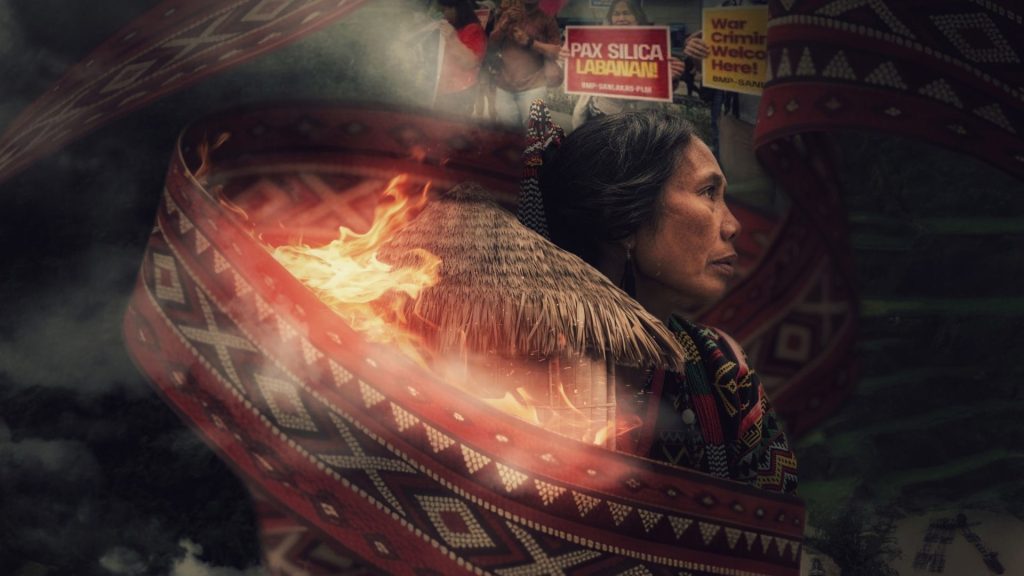
At the pinnacle of it all was the normalization and even encouragement of state-sanctioned violence. For six years, the nation witnessed the ubiquity of extrajudicial killings (EJKs) under the bloody banner of the “War on Drugs,” where thousands of lives were reduced to mere collateral damage and statistics. At least 122 children, even those as young as three-year-old Myca Ulpina, had their future taken too soon at the hands of the militarized policy of mass violence.
These enablers frequently dismissed criticism at the time by claiming people were simply “too sensitive,” that it was “just a joke,” or that the body count and misogyny reflected strong leadership and authenticity. But now that satire is directed at their own political side, standards of respect, decency, and responsible speech suddenly become selective.
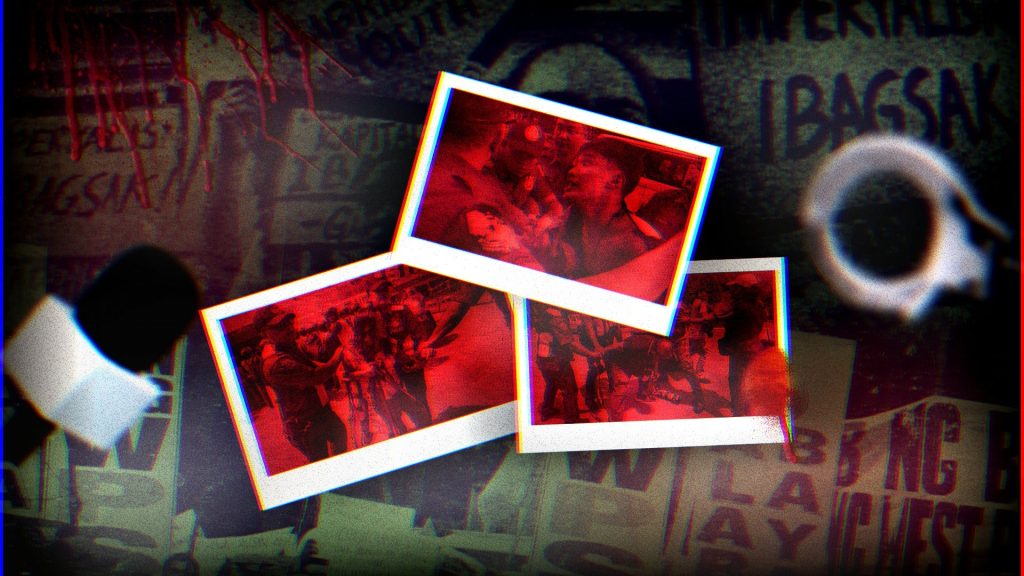
The same people invoking the Journalist’s Creed are the very ones who stayed silent, looked away, and tolerated the Duterte administration’s systemic attacks on the media. They applauded when the former president weaponized the law and state apparatus to pursue a personal vendetta against the free press, leading to the shutdown of ABS-CBN and the legal pressure imposed on Rappler. From dismissing concerns over violence against journalists to normalizing narratives that reduced journalism to “fake news” and deepened public distrust in media institutions, they actively cheered on its erosion.
When journalists were discredited, harassed, or portrayed as enemies rather than frontliners amplifying public issues, many chose silence over accountability. What happens when journalism is reduced to political parroting? What becomes of a society when even young journalists are treated as threats instead of defenders of public interest?
Even more so, this is no longer merely political division. It is a form of deliberate repression driven by mob mentality that is eager to ostracize dissenters. It is disappointing to witness a society in moral disarray and so volatile that counter-hegemonic views can no longer even reach audiences.
Do we even pause to reflect on how the same crowd that justified EJKs as a form of puritanical policy turned a blind eye to the corpses left on the streets? Do we think about our sisters, mothers, and the women in our lives, and the implications of degrading women from the highest office on the land? With all of these realities affirmed, what burden does a satirical graphic truly carry?
The press is a pillar of truth, serving society as a bearer of the truth, and nothing but the truth. Satire is an essential component of the freedom of expression. It is a fundamental right that is a part of the democratic ideals we enjoy in a country like the Philippines.
Thus, people have every right to dislike satire and criticize it, but if standards of respect, decency, and responsible speech only become important when their own political side becomes the target, then what is being practiced is not critical thinking, but selective outrage and political loyalty. Standards cannot be applied selectively depending on who is offended.
It is all fun and games until the tables turn.
Explained PH’s post contained no libelous claims, nor did it defame any individual. We stand firmly on constitutional protections under Article III, Section 4 of the 1987 Philippine Constitution, where freedom of expression and of the press are granted paramount protection. Furthermore, the legal mandates of Republic Act No. 11458 and Republic Act No. 7079 uphold the independence and autonomy of the media.
A satire meme became enough to provoke disproportionate anger not because it violated ethical standards, but because it inconvenienced political loyalties. The recent outrage was never truly about protecting journalism, preserving decency, or defending responsible discourse. If those principles were genuinely upheld, they would have mattered long before this post—back when human rights were violated every day, when women were publicly demeaned, and independent media outlets were dismantled.
Satire does not lose its constitutional protection simply because it discomforts a particular audience. In fact, real journalism should make us uncomfortable. We refuse to let this partisan indignation set arbitrary boundaries on critical and creative journalism. If we are to uphold a robust democracy, then political figures, policies, and dominant narratives must always remain subject to public scrutiny, parody, and mockery.
This organization maintains that satire remains protected under constitutional guarantees of freedom of expression. Discomfort alone does not invalidate protected speech, nor does political backlash automatically render satire defamatory. Explained PH will not capitulate to the culture of repression that has eroded the legitimacy of our democratic institutions.
Our organization will not be intimidated into editorial complacency. We will steadfastly continue as a youth-powered media platform and utilize every legitimate form of reportage, including satire, to stand up, challenge, and demand accountability.