


Now Reading: COLUMN | The “P” in Press stands for Paradox
-
01
COLUMN | The “P” in Press stands for Paradox


Zaia
There is a paradox that ceaselessly wedges journalists to be stuck in a state of being erratic; should you function and use your voice to enlighten the students, or should those mouths be sealed to retain “peace”—there is no in-between.
To bear the flame for truth connotes a lot of weight—and in the concurrence of the sheet of Journalism in the Philippines, it even insists on more.
In the context of Campus Journalism, it is apparent and rigid, especially in the milieu of state universities and colleges (SUCs), considering these are subordinate to the incumbents. On the other hand, there is a pressing pressure from the student body that strikes the student journalists when the publication seems “laid-back” on societal problems.
As one of the student journalists of our publication enrolled in a state university, I have seen how we were deemed to be accustomed to this; we are urged to speak up and advocate beyond the fine lines of events on campus. It is something we have always aimed for and deemed to have; to obtain the concrete definition of liberation that is not molded to fit the standard of any political figures or of any self-serving motives.
However, with a lot of publications being targeted for “red-tagging”, getting suspended, and whatnot, there is still a long stretch to go. If only it were as easy as writing it down to make it come true, but there are underlying factors deserving to be shed in light which engulf the shackles of attacking the student journalists.
The budget allocated to produce magazines and folios is sourced from the pockets of the taxpayers, which passes into the hands of the so-called “leaders,” then handed down to the administrators of SUCs. But along the transactions, it seems as though the fund came from the politicians themselves because, as time trickles down, university officials bow down to them. There are a lot of Facebook posts from various state universities that bluntly show their support towards a specific government official.
Yet when that politician commits frivolous action, they’re suddenly illiterate and blind. To make things worse, student journalists on a pedestal are forced not to express viewpoints because doing so might result in getting cut from the budget. In other words, the publication gets paralyzed and fumbles on the very reason for their existence.
It’s easy for them to do it, especially with the thinking that we are still students paired up with the shallow reasoning that we are still “young”, that we still don’t know how the world unfolds, that we are way less experienced, and that as youths, we must learn to trust the adults. But it’s taking us nowhere; only taking part in killing the voices that push for the betterment of the country and shutting off the curious minds to question and speak.
The moment the campus watchdogs begin to tone down their voices and follow the commands of the university officials, another hurdle rises up; the same attack happens, except it comes from the studentry they serve this time. In the past few days, at the peak of commemorating the National Campus Press Freedom Day, our publication was called names by our fellow students such as “puppets” and “ineffective.”
I understand where the comments stem from. I understand that they all have the right to call us out. And I understand that we’ve let the hands of the admins limit our voice; it is just dismaying to witness the very indication as to why the Philippines remains at Rank 114th in the World Press Freedom Index despite improving from the past 116th ranking.
Liberated pursuit of telling the truth without having to hold back and think of the dangers and risk that come with the act still feels like a far-fetched reality in the nation.
Wherever campus-based or nation-based journalists stand, they are always meant to be scapegoated.
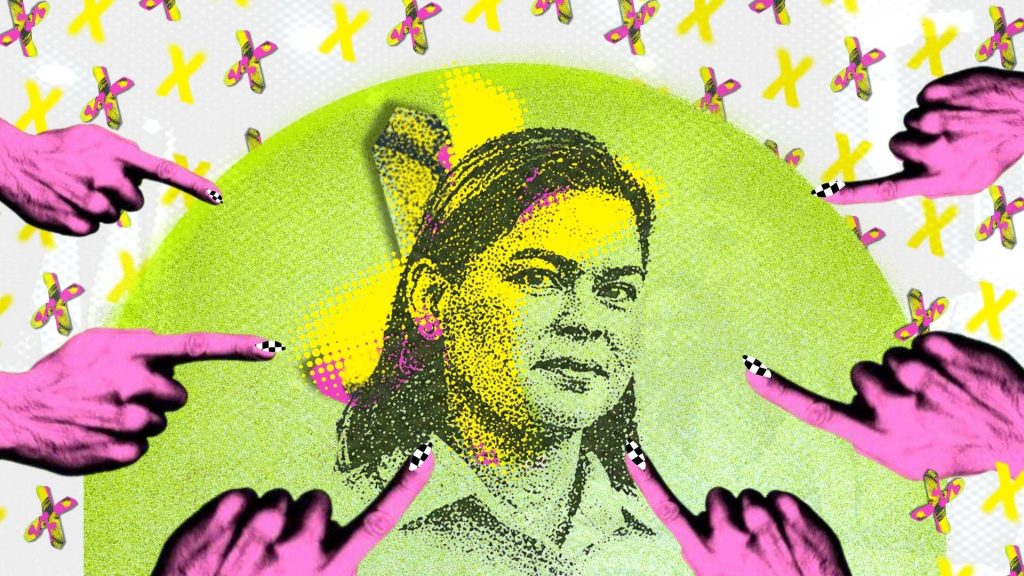
Vice President Sara Duterte’s statement about the quality of journalism in the country emphasizes this paradox even more. She downplayed the efforts of local media by claiming Philippine journalism falls short of international standards, opting instead to champion unmoderated social media as the “truer” platform. It is a classic pattern of institutional gaslighting. When the VP herself openly discredits professional watchdogs for refusing to echo convenient political narratives, she gives a free pass to local administrators to do the exact same to student publications. The message is clear: speak, but only if you speak our praise; write, but only within the margins we draw for you.
Ultimately, the “P” in Press stands for Paradox.
We are constantly urged by society to speak up, yet systematically silenced the moment we find our voice. But true journalism was never meant to be comfortable, nor was it meant to ask for permission. We will continue to write through the budget cuts, the name-calling, and the fear. They can try to starve our funds and seal our lips, but they cannot erase the truths we have already written in ink.