








Now Reading: High energy costs persist in Philippines, Southeast Asia—IEA
-
01
High energy costs persist in Philippines, Southeast Asia—IEA
High energy costs persist in Philippines, Southeast Asia—IEA

Kirstin Amancio
Philippine households continue to face high energy costs along with other Southeast Asian countries, based on the latest Southeast Asia Energy Outlook released by the International Energy Agency (IEA).
The IEA stated that Southeast Asia is becoming a key driver of global energy demand, with the region projected to account for 20 up to 25 percent of global growth through 2035 due to rapid economic expansion, industrialization, and rising living standards.
According to the agency, the region remains vulnerable to energy security risks due to heavy reliance on imported fossil fuels.
Around 60 percent of crude oil is said to be coming from the Middle East.
The report also cited geopolitical disruptions, including tensions in the Strait of Hormuz, which contributed to rising costs and pushed the region’s energy import bill to an estimated $185 billion in 2026.
Despite improvements in access to electricity and clean cooking over the past two decades, gaps remain in several countries.
The Philippines and Myanmar, with around 16 million and 5 million people, respectively, still lacking adequate access, were identified as falling behind.
In terms of clean cooking, a 64 percent access rate was recorded in the Philippines, with liquefied petroleum gas (LPG) identified as the most common clean cooking fuel in the region.
IEA also reported that affordability remains a major concern, with residential energy expenditure per capita increasing by about 12 percent between 2019 and 2024 in countries including the Philippines, Thailand, Vietnam, Indonesia, and Singapore.
They also added that low-income households allocate about 16 percent of their income on energy, in spite of consuming significantly less compared to higher-income groups.
“When energy costs rise, low-income households often cut back on energy consumption, limiting their ability to meet basic energy needs such as cooling and cooking,” the report read.
The agency further stated that the increasing cost of energy may force low-income households to minimize spending on other essentials such as food and healthcare.
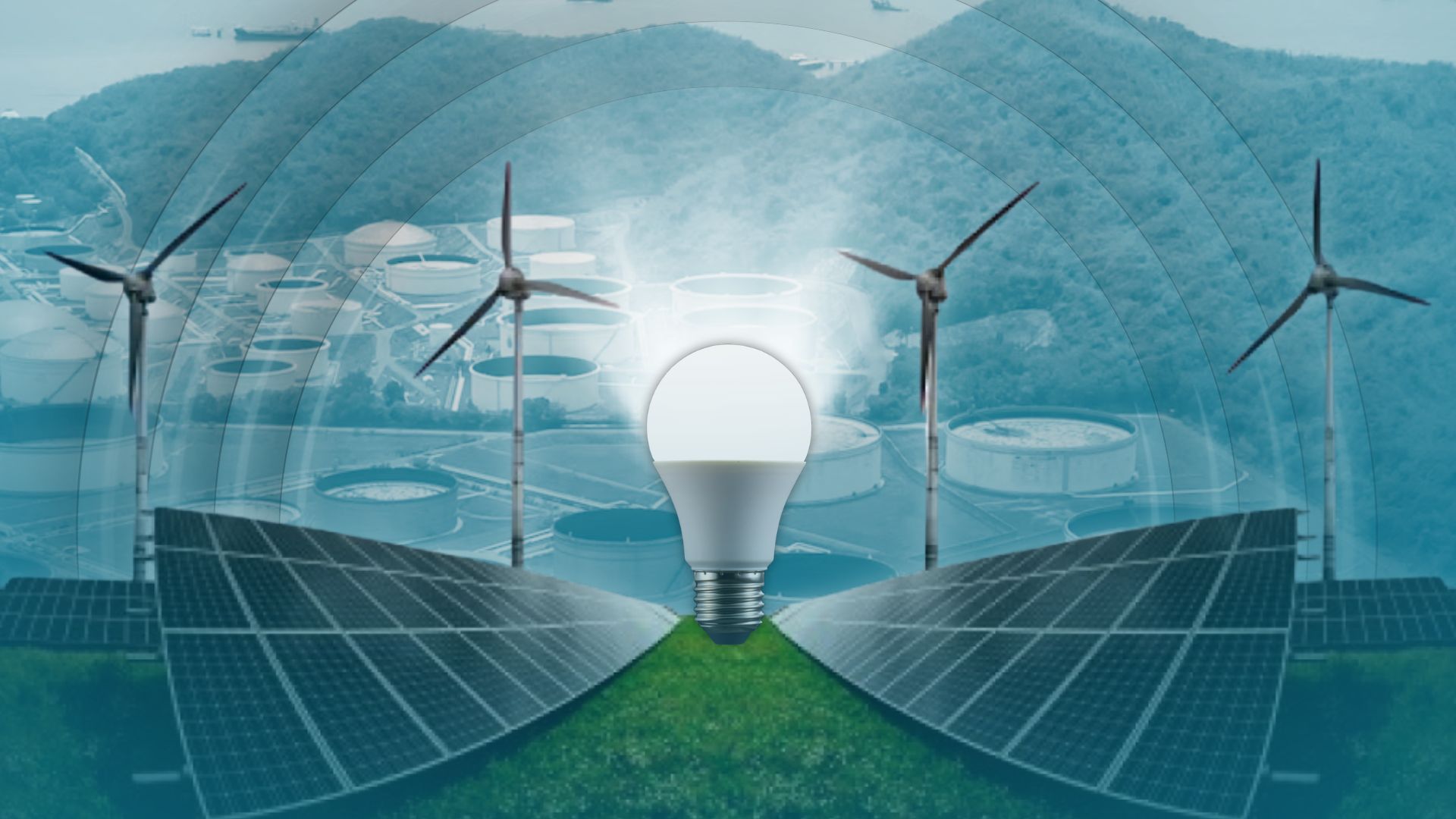
IEA is urging governments in the region to hasten investments in renewable energy, improve energy efficiency, strengthen support systems to help reduce long-term energy costs, and improve affordability.