








Now Reading: ICC tightens pretrial timeline, sets Duterte trial for Nov. 30
-
01
ICC tightens pretrial timeline, sets Duterte trial for Nov. 30

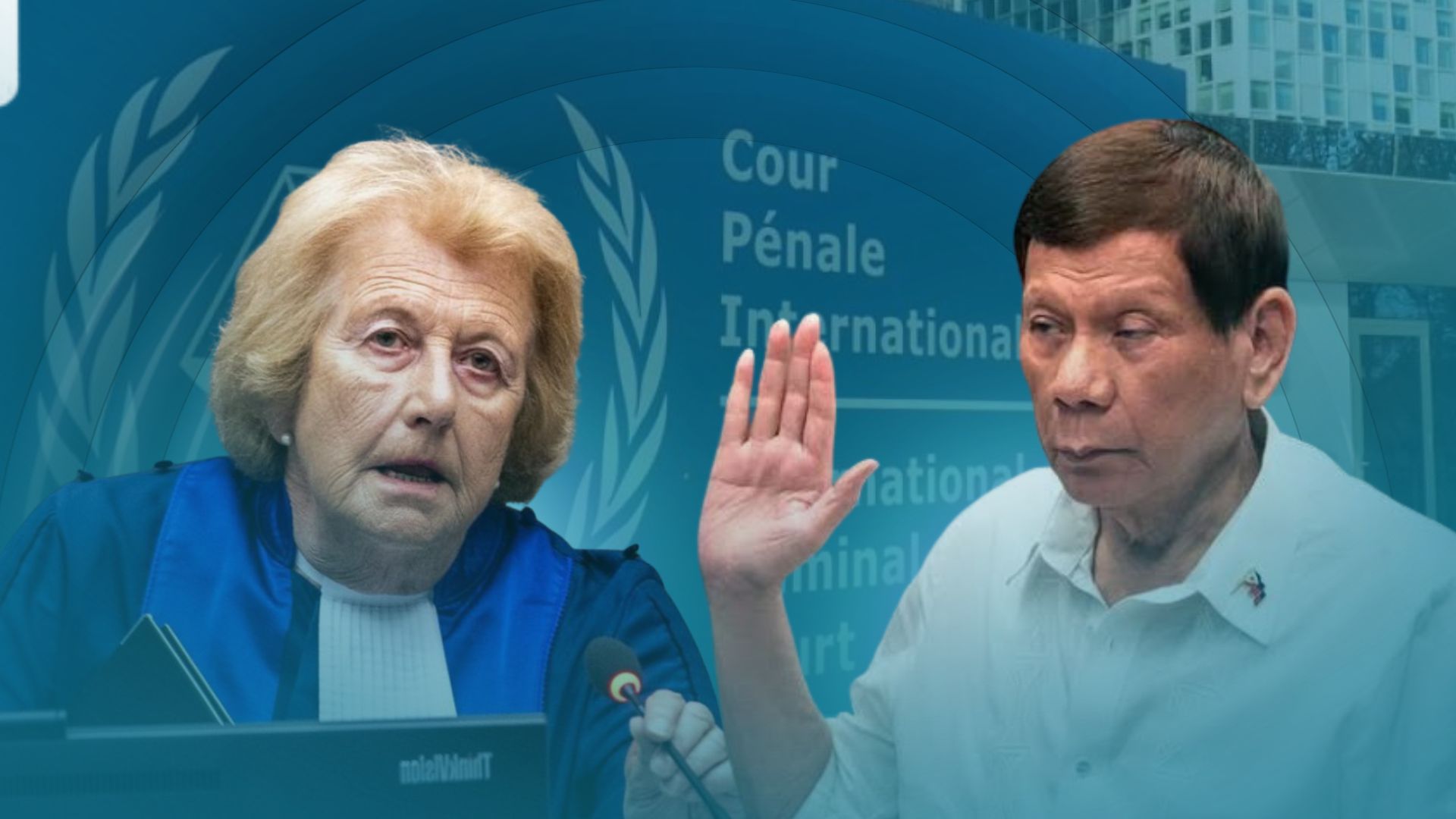
The International Criminal Court (ICC) has scheduled the high-profile crimes against humanity trial of former Philippine president Rodrigo Duterte to begin on November 30.
Trial Chamber III announced the commencement date on Wednesday, May 27, following the conclusion of the initial status conference for the case at The Hague.
The presiding judges approved the timeline proposed by the prosecution, which specifically requested the late November start date for the case concerning Duterte’s anti-illegal drug campaign during his tenure as president and Davao City mayor.
“We are prepared to accede to the prosecution’s application for the 30th of November as the start of trial,” Presiding Judge Joanna Korner said during the case’s first status conference.
“The trial will run on a daily basis until the judicial recess,” she added.
Other parties involved suggested alternative timelines, with victims’ legal representatives advocating for a September start, while the court registry requested a delay until January 2027 to secure native Filipino language interpreters.
To bridge the language gap, Judge Korner urged the ICC Registry to ensure that the opening statements of the trial are interpreted so they can be fully understood by the public in the Philippines.
Health and fitness evaluations pending
The defense team did not propose a specific date, maintaining that scheduling should be deferred until pending matters regarding Duterte’s physical fitness are fully resolved.
Judge Korner confirmed that the court will order a medical re-examination of Duterte’s health.
“The finding of fitness [is] related to the confirmation proceedings, and the chamber is obliged to make a separate finding on that issue,” she said.
While the standard ICC trial schedule consists of five sitting days per week, the chamber may adjust the frequency to accommodate the health needs of the accused.
“It may well be adjusted if we have to have a day for the accused not to be in court,” she said.
The court clarified that any non-sitting days for Duterte could still be used to address administrative matters and legal arguments, provided the defendant waives his right to be present.
Two subsequent status conferences have already been scheduled by the chamber for June 23 and July 14 to manage pretrial developments.
Chamber enforces strict evidence guidelines
To keep the trial streamlined, the chamber set strict deadlines, giving the prosecution until June 29 to submit its provisional list of witnesses and evidence, and until August 31 to finalize those lists.
The August 31 deadline also applies to any prosecution requests to add expert witnesses or introduce new incidents to the case, a move the defense has explicitly vowed to challenge.
The prosecution informed the court that its current legal strategy involves presenting testimony from 60 to 70 witnesses, including approximately 31 insider accounts.
Judge Korner directed both sides to maintain a streamlined and concise trial by narrowing down evidence and using agreed-upon facts to minimize repetitive testimony.
“The chamber would not expect to hear from witnesses all saying the same thing,” she said.
The chamber recommended that the parties use Rule 68 procedures, which permit the submission of pre-recorded statements and video evidence in place of live witness testimony.
Duterte’s defense team was given until October 30 to submit its formal indication of legal issues, while the cutoff date for victims applying to participate in the proceedings was set at the end of the prosecution’s presentation of evidence.