










Now Reading: New study reveals how strict parenting influence children’s lying
-
01
New study reveals how strict parenting influence children’s lying
New study reveals how strict parenting influence children’s lying

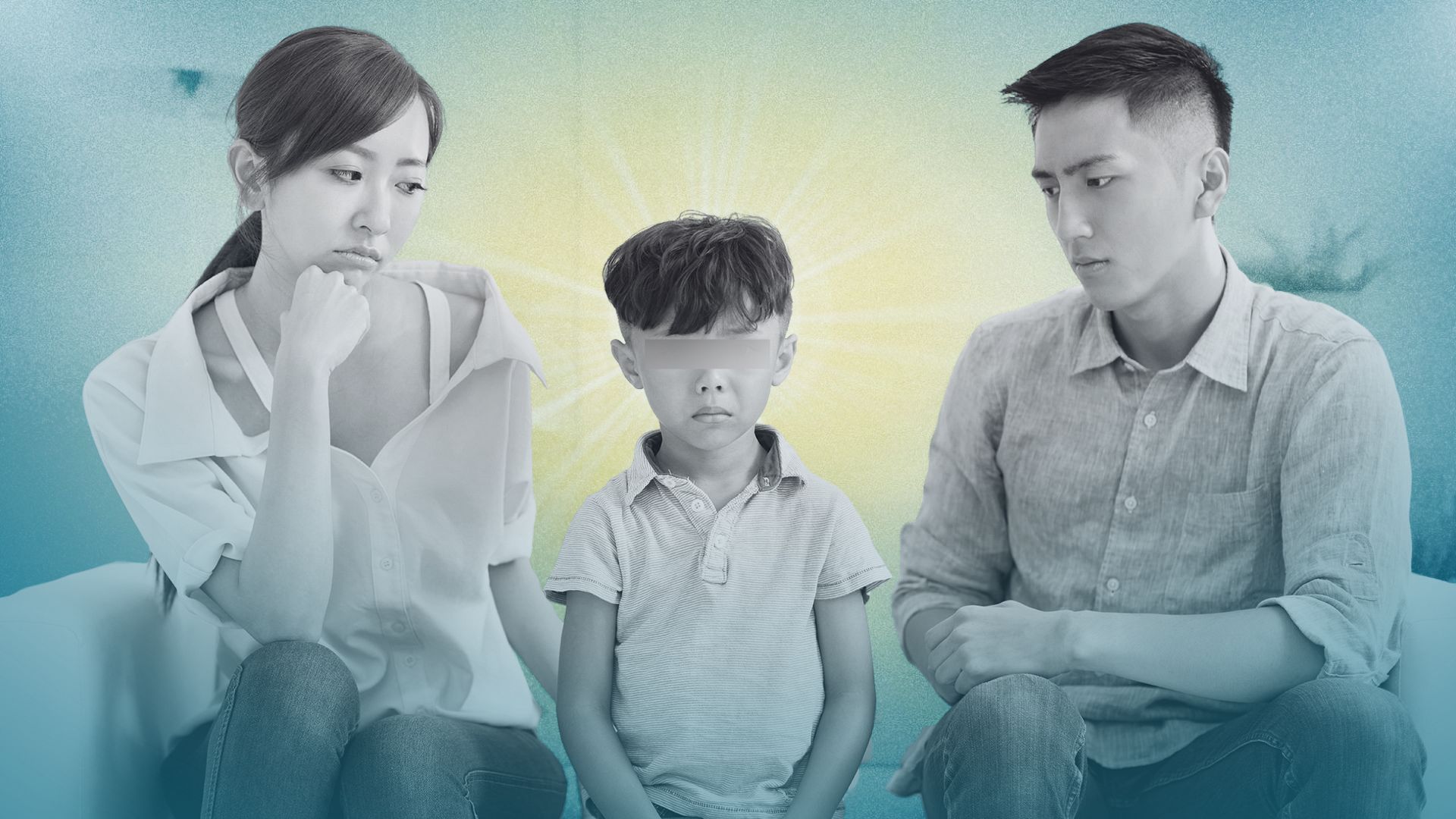
Many parents believe that being strict is an effective way to teach children discipline and honesty. However, new research suggests that excessive control and harsh punishment may incur the opposite effect in children, increasing the likelihood that they will lie or cheat.
Researchers from the Department of Psychology at the National University of Singapore (NUS) found that authoritarian parenting and harsh punishment were associated with greater dishonest behavior among children. Their findings, based on two longitudinal studies involving Singaporean families, indicate that children may resort to deception not out of rebellion, but as a way to cope with fear, self-criticism, and pressure to meet their families’ expectations.
The studies were led by Associate Professor Ding Xiao Pan and doctoral student Liwen Yu, while the second study also involved Associate Professor Ryan Y. Hong.
Cheating in early childhood
The first study examined 479 families participating in the Growing Up in Singapore Towards Healthy Outcomes (GUSTO) birth cohort study. In this inquiry, researchers investigated whether authoritarian parenting of children at age 4½ could predict cheating behavior when they reached age 6.
The way authoritarian parenting is defined by the researchers is, in a way, characterized by high levels of control, low emotional warmth, and the use of strict discipline with little explanation.
After researchers later assessed the children’s behavior through the dart game, results showed that 61% of the children cheated during the task. More importantly, children with fathers who displayed higher levels of authoritarian parenting were more likely to engage in the behavior.
The researchers also discovered that self-criticism played a key role in the relationship. Children under stricter parenting tended to judge themselves more harshly. According to the researchers, self-critical children may feel intense pressure to appear successful or flawless, making them resort to cheating as a coping mechanism that would let them avoid feelings of inadequacy.
The findings suggest that this type of parenting may undermine children’s ability to build their moral values despite parents’ intentions to promote discipline and obedience.
Deceptive school years
The second study followed 302 Singaporean families over three years, focusing this time on children between the ages of 7 and 9. This time, researchers examined the effects of negative parental control on children’s deceptive behaviors.
Among these parenting practices, harsh punishment emerged as the strongest predictor of dishonesty. Children who experienced physical punishment, such as spanking or slapping, were more likely to lie and cheat one year later.
The study further revealed that the children’s attitudes of dysfunctionality helped explain this connection. Children exposed to harsh punishment were more likely to develop beliefs such as “I must do well to be liked” or “I should never make mistakes.” These over-the-top expectations encourage children to hide failures or deceive others to avoid criticism and punishment.
Promoting honesty through supportive parenting
The researchers argue that responding to dishonesty with harsher punishment may worsen the problem in unexpected ways rather than solve it. Instead, parents and educators should focus their attention on understanding the psychological factors that contribute to their children’s deceptive behavior.
Building an environment where children feel safe from making mistakes, receiving guidance, and expressing themselves without fear helps reduce the pressure that often leads to dishonesty. By balancing discipline with warmth, communication, and emotional support, parents can foster not only obedience but also genuine honesty and healthy self-esteem.
At the end of the day, children are still navigating their way through a world where they are still learning to be themselves. By fostering understanding over fear, it helps create a space where honesty grows not from punishment, but from trust.