










Now Reading: Pax Silica seen worsening PH power grid strain – analyst
-
01
Pax Silica seen worsening PH power grid strain – analyst
Pax Silica seen worsening PH power grid strain – analyst

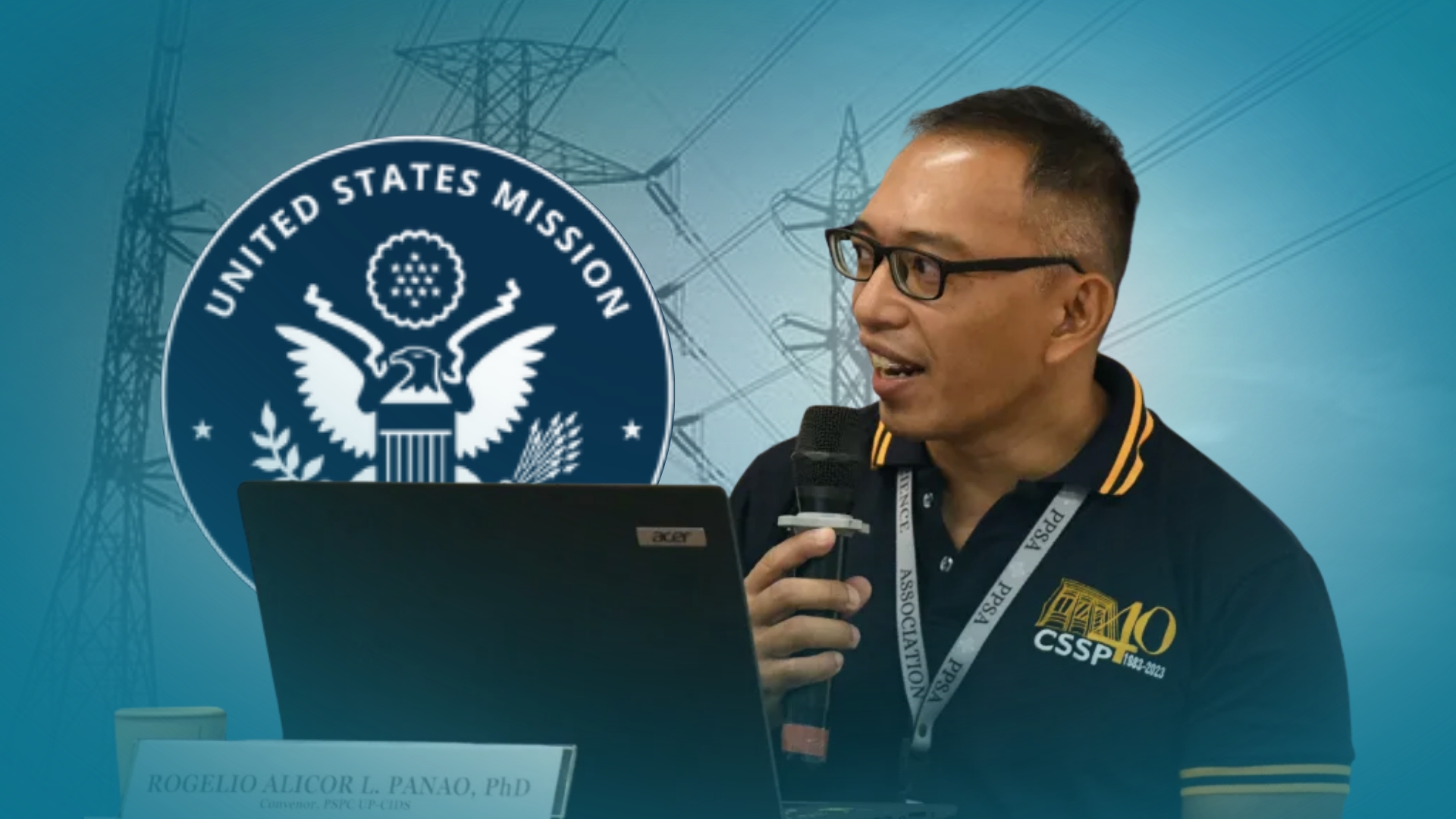
Energy challenges throughout the country may worsen with the Pax Silica initiative amid the country’s current power grid constraints, according to a report from a university professor.
Pax Silica, under the United States-led international initiative, aims to build a 1,600-hectare high-tech industrial hub in the area to support artificial intelligence infrastructure, data centers, and advanced semiconductor manufacturing.
Dr. Alicor Panao, an Inquirer data scientist and University of the Philippines associate professor, cited a United Nations study estimating that data centers consumed 448 terawatt-hours (TWh) of electricity last year, ranking as the world’s 11th largest consumer of electricity if it were a country.
Compared to the Philippines’ total electricity demand reaching 123 TWh in 2025 and placing the country 31st worldwide, the world’s data centers alone already consume more than three and a half times the electricity used by the entire Philippine economy.
“Unlike countries that have successfully attracted large-scale data centers, the Philippines does not have the same level of electricity surplus or grid capacity,” Panao said, pointing out the countries leading the global AI race are also among the world’s largest electricity consumers.
Panao highlighted the scale of the energy challenge posed by Pax Silica, which would require a substantial and reliable power supply to support AI-related infrastructure.
With China recording 10,559 TWh of electricity demand in 2025, the United States recording 4,536 TWh and India with 2,083 TWh, these countries have electricity systems capable of supporting large-scale industrial activity while accommodating the rapid growth of energy-intensive digital infrastructure.
“The challenge, therefore, is not simply attracting AI investments, but ensuring that the power system can support them without further straining an already limited energy supply,” he said.
Panao added that the country’s AI ambitions may ultimately be limited by the availability and reliability of electricity rather than by technological capability if no major improvements in power generation and distribution happen.
Several agencies, including the Department of Foreign Affairs and Bases Conversion and Development Authority (BCDA), have defended the project, with Defense Secretary Gilberto “Gibo” Teodoro Jr. becoming the latest government official to defend the planned industrial technology hub.
“They can criticize that, but it is a step toward national resilience,” Teodoro said.
“Criticizing without realizing the challenges that this country and the future generations need to meet, and refusing to evolve with the times is a bigger challenge for us,” he added.
Retired UP scientist Teodoro Mendoza warned that Pax Silica could strain Central Luzon’s water and power systems, threatening agriculture, communities, and national sustainability without strict safeguards.
Scientists’ group Agham also debunked claims and presented potential impacts of the project, citing displacement of farmers and IP groups in Tarlac, as well as environmental pollution risks.