












Now Reading: PH inflation rises to five-month high of 1.7% in September; BSP eyes policy stance
-
01
PH inflation rises to five-month high of 1.7% in September; BSP eyes policy stance
PH inflation rises to five-month high of 1.7% in September; BSP eyes policy stance


The Philippines’ inflation rate climbed to 1.7 percent in September, marking its second straight month of acceleration and the highest reading in five months.
Though being below the central bank’s target corridor, the increase has drawn attention to supply-side vulnerabilities, especially in food and transport costs, and added extra pressure on Bangko Sentral ng Pilipinas (BSP) policymakers ahead of their upcoming meeting.
The increase was led largely by food and non-alcoholic beverages, and by transport indices.
Vegetable prices, tubers, plantains, and cooking bananas saw significant upward pressure, partly attributed to recent weather disruptions in key production zones.
Transport inflation also reversed its prior trend, contributing 1.0 percent growth annually in September, up from a decline in August.
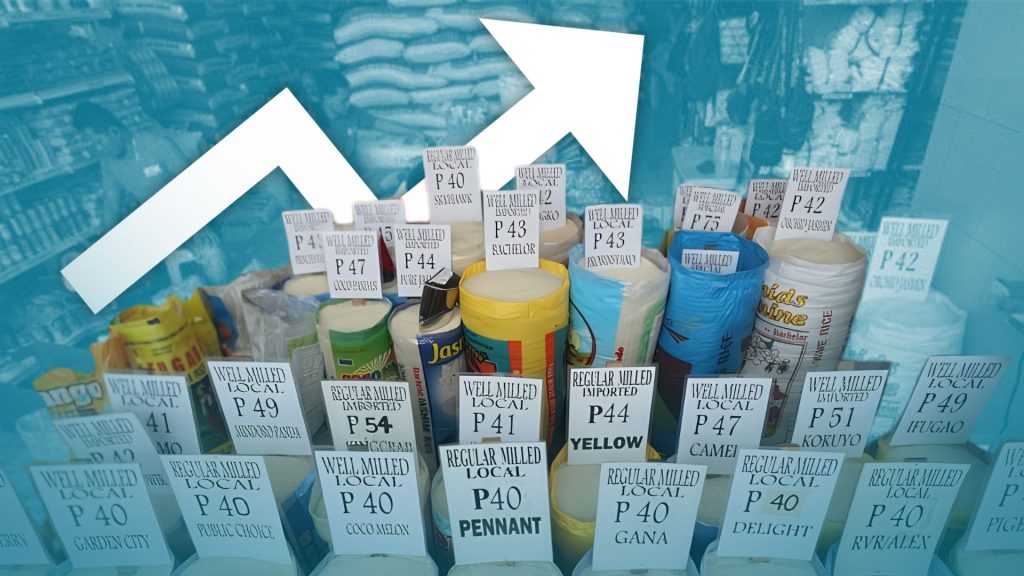
Meanwhile, rice deflation persisted, with rice prices falling by 16.9 percent year on year, softening the overall inflation burden.
Core inflation, which excludes volatile food and energy items, slightly eased to 2.6 percent from 2.7 percent in August.
The central bank continues to view inflation as generally benign and expectations as well-anchored.
“The outlook for inflation is broadly unchanged. For 2026 and 2027, inflation is expected to settle within the 3.0 percent plus 1.0 percentage point target range. Inflation expectations also remain well-anchored,” the BSP said.
Given the mild inflation figure, monetary policy watchers are split over whether the BSP will deliver another rate cut or hold steady in its meeting scheduled for October 9.
In its 2025 Article IV consultation, the International Monetary Fund (IMF) added that inflation is projected to average 1.6 percent this year, offering the BSP room to adopt a slightly more accommodative stance – though “data dependence” will remain critical.
In response to the inflation uptick, the Department of Economy, Planning, and Development (DEPDev) affirmed that the government will strengthen efforts to stabilize supply and prices, especially in critical food items.
“The slight uptick in inflation underscores the sensitivity of domestic food prices to supply disruptions. We are working closely with various agencies to stabilize supply, keep essential goods affordable, and safeguard household welfare,” DEPDev Secretary Arsenio Balisacan said.
Strategies include permitting imports of key vegetables like onions and broccoli, and developing “food corridors” with investments in storage, post-harvest infrastructure, and logistics to reduce disruptions.
“The Department of Agriculture will also establish food corridors to minimize supply disruptions. These will feature greenhouses, storage, and post-harvest facilities that can strengthen the resilience of our food systems,” Balisacan said.
The Marcos administration is adjusting its rice policies, although a rice import ban is currently in place, some flexibility via higher tariffs may be employed next year to balance market and farmer interests.





