









Now Reading: US, Iran agree to end war; 14-point memo drafted
-
01
US, Iran agree to end war; 14-point memo drafted
US, Iran agree to end war; 14-point memo drafted

John Paul Siapel
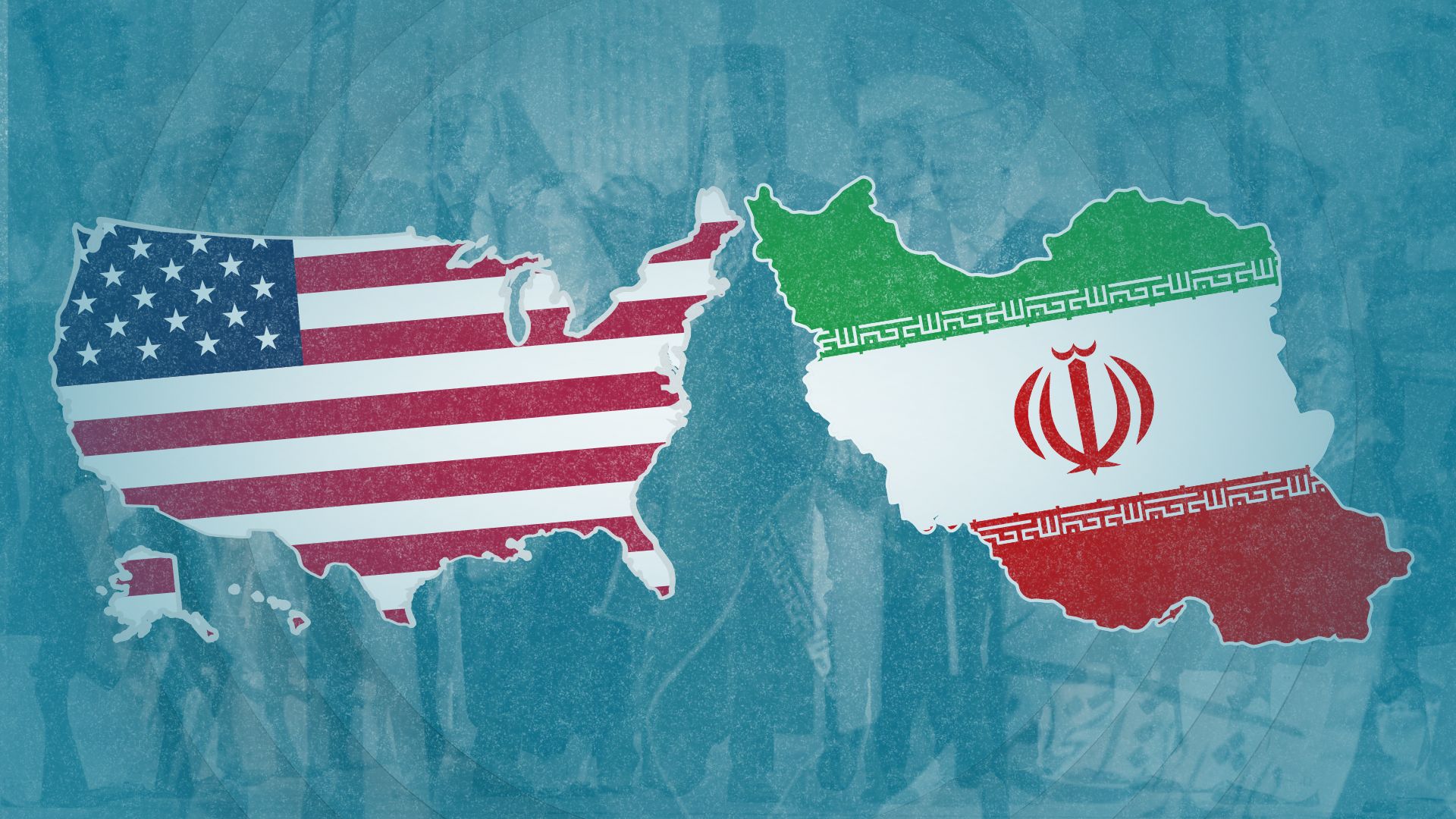
After a continuous exchange of airstrikes and ballistic missiles, the United States (U.S.) and the Iranian government agreed to a peace framework to conclude the three-month war, lifting the naval blockade of Iran in the Strait of Hormuz, June 15.
With the peace agreement, it serves as one of the most significant breakthroughs of numerous rounds of negotiations.
The agreement is to be signed on Friday during a signing ceremony in Switzerland.
Iran’s state-affiliated Mehr News revealed several details of the agreement, including the formed draft of a 14-point memorandum of understanding between parties.
The draft contains provisions mandating an immediate, permanent cessation of military operations across all fronts, including Lebanon, while securing a U.S. pledge to respect the sovereignty of the Islamic Republic of Iran and refrain from interfering in its internal affairs.
The memorandum reportedly includes the release of $24 billion in frozen Iranian assets over the course of the 60-day negotiations, with $12 billion made available prior to the start of the talks.
‘Let the oil flow!’
In a post on Truth Social, U.S. President Donald J. Trump announced that the diplomatic agreement with the Islamic Republic of Iran is complete, congratulating everyone involved in the negotiations.
“I hereby fully authorize the toll free opening of the Strait of Hormuz, and, simultaneously herewith, authorize the immediate removal of the United States Naval blockade,” Trump wrote.
He further stated that despite numerous previous failed attempts at negotiation, holding direct talks with Iran was essential to bring peace and security to the entire region.
“With the opening of the Strait upon the signing of the Deal on Friday, for purposes of mine removal, oil will flow on both ends again for the Region, and the World,” he added in his post.
Pakistan Prime Minister Shehbaz Sharif confirmed the said talks, stating in his social media post that the peace deal had already been reached, yet terms between countries were not immediately known.
“Both sides have declared the immediate and permanent termination of military operations on all fronts, including in Lebanon,” Sharif said.
Global market reaction
The announcement of a diplomatic resolution between Washington and Tehran prompted an immediate reaction across global financial networks, causing Brent crude oil futures to fall more than 4% while Asia-Pacific stock markets soared.
U.S. Energy Information Administration (EIA) has explicitly noted that, “the blockage of the Strait of Hormuz, even temporarily, could lead to substantial increases in total energy costs.”
Tamas Varga, an analyst at PVM Oil Associates, noted that a diplomatic breakthrough in the region would immediately stabilize global markets.
“The formal end of hostilities and the removal of the blockade removes a massive risk premium from the equation, which will naturally drive down global energy costs,” Varga said.
This severe market vulnerability stems from the waterway handling over 20% of the world’s petroleum liquids consumption and global liquefied natural gas (LNG) trade.
Cost of conflict
The diplomatic resolution follows a destructive war that began last February 28, where a joint U.S. and Israeli air campaign targeted Iranian military infrastructure.
Iran closed the Strait of Hormuz, shutting down a chokepoint that handles 20 million barrels of oil equivalent per day and prompting a U.S. naval blockade that intercepted 142 commercial ships.
In April, the resulting dual blockade triggered a severe supply shock, driving Brent crude oil prices to a peak of $126 a barrel, leading to an emergency release of 400 million barrels from global reserves.
Also, the disruption slashed Organization of the Petroleum Exporting Countries (OPEC) production by over 30% as regional giants Saudi Arabia, Iraq, Kuwait, and the UAE lost 9.28 million barrels per day in export capacity.