








Now Reading: PAGASA raises El Niño alert as climate conditions continue to warm
-
01
PAGASA raises El Niño alert as climate conditions continue to warm
PAGASA raises El Niño alert as climate conditions continue to warm

Joey Marthyna Baldoza
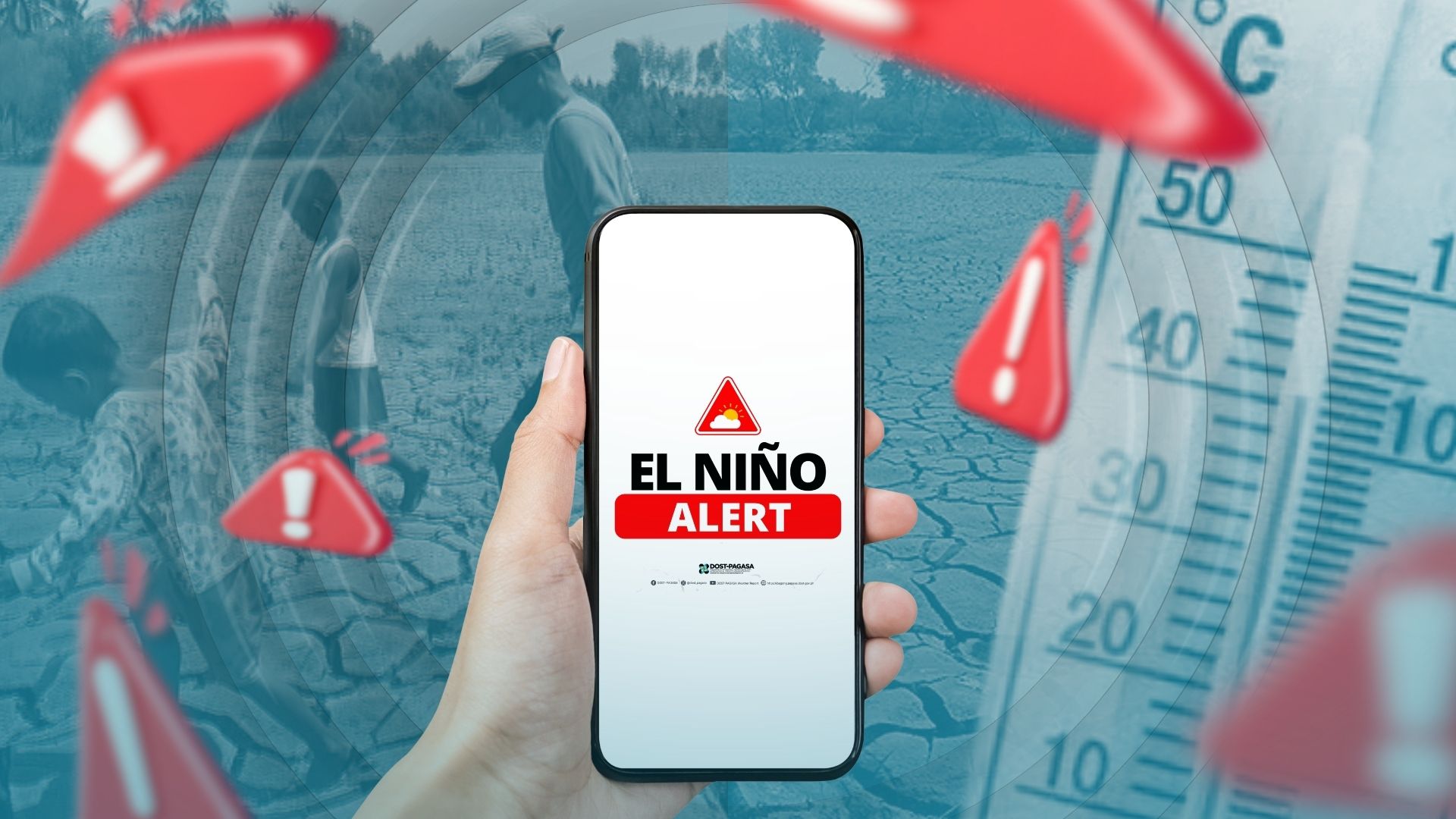
The Philippine Atmospheric, Geophysical, and Astronomical Services Administration (PAGASA) has raised its El Niño monitoring status from “watch” to “alert” after forecasts showed a 79 percent likelihood that the climate phenomenon may develop during the june to august season, raising concerns over possible dry conditions and their potential effects on agriculture, water resources, energy supply, and public welfare across the country.
The upgraded alert reflects growing signs of sustained warming in the Pacific Ocean, conditions that PAGASA says are becoming increasingly favorable for the development of El Niño in the coming months. According to PAGASA Administrator, Nathaniel Servando, the alert does not necessarily mean that El Niño has already fully formed but rather the possibility of its emergence has significantly increased.
“It is important to clarify that the alert means that the possibility of the formation of an El Niño is higher. This means that conditions are already favorable and there is a strong likelihood that it will develop in the next two to three months,” Servando said during a press conference.
The announcement comes as many parts of the country continue to experience rising temperatures and increasingly unstable weather patterns associated with the transition towards the southwest monsoon or habagat season. Although localized thunderstorms are still expected in several regions, weather experts warn that the longer term outlook points toward the gradual establishment of drier than normal conditions in many parts of the Philippines.
El Niño is not simply the change in ocean temperatures for many Filipinos. Historically, the phenomenon has been linked to prolonged droughts, declining crop production, reduced water supply, extreme heat, and mounting pressure on energy resources. Entire communities, particularly those dependent on agriculture and fishing, often face the most severe consequences as prolonged dry conditions disrupt both livelihoods and food production.
The Philippines remains especially vulnerable to climate variability because many sectors continue to rely heavily on stable seasonal rainfall. Agriculture depends on consistent rain patterns for irrigation and crop development, while urban centers rely on major dams and watersheds to sustain domestic water supply. When rainfall becomes irregular for extended periods the effects frequently extend beyond environmental conditions and into economic and social life.
According to Servando, the developing El Niño may bring below normal rainfall in several areas potentially affecting key sectors such as water resources agriculture and other supply and public welfare.
He added that PAGASA has already begun intensifying monitoring efforts and coordinating closely with government agencies in preparation for the possible impacts of the phenomenon.
“In light of these projections the DOST-PAGASA is taking proactive steps to closely monitor evolving conditions and to provide timely and accurate advisories to guide national and local preparedness efforts,” Servando said. “This is a critical stage where preparedness actions should already be intensified.”
Despite the warning, PAGASA clarified that El Niño does not necessarily mean the complete absence of rainfall across the country. Some regions may still experience periods of intense rain particularly during the southwest monsoon or habagat season.
“We know that if there is an El Niño there is a high possibility of having drier than normal conditions that will have a negative effect such as droughts or dry spells in some parts of the country. However we will experience strong rains in the lower part of the country during the southwest monsoon or habagat season,” Servando explained.
This uneven distribution of rainfall shows the complexity of El Niño’s interaction with the country’s existing weather systems. Rather than producing uniformly dry conditions nationwide, the phenomenon often redistributes rainfall differently across regions. Some provinces may face drought-like conditions while others continue experiencing heavy monsoon rains and flooding, creating additional challenges for disaster preparation and resource management.
The current alert also reflects brother climate conditions developing over the pacific ocean. According to PAGASA Climate Monitoring and Prediction section chief Analiza Solis, ocean temperatures in the east central equatorial pacific have shown sustained warming over the past two months, one of the strongest indicators associated with El Niño formation.
Solis said present outlooks suggest the phenomenon could initially emerge as a weak El Niño before intensifying further in the succeeding months.
“For now, nakikita natin it could start as a weak El Niño and pwede po siyang mag-reach at least moderate to strong El Niño,” she said, noting that moderate to strong El Niño events generally produce longer-lasting and more severe impacts compared to weaker episodes.
Solis also explained that current projections indicate the developing El Niño may persist until at least the first quarter of 2027.
PAGASA classifies El Niño strength according to sea surface temperature anomalies in the Pacific Ocean. Weak El Niño conditions correspond to warming between 0.5°C and 0.9°C, moderate events range from 1.0°C to 1.4°C, while strong episodes reach between 1.5°C and 1.9°C. Temperatures of 2.0°C or higher are categorized as very strong events.
At the same time, Solis clarified that the term “super El Niño” is not an official category recognized by PAGASA.
“So ibig sabihin po for now, still hindi nag-aagree ang lahat ng models whether it could reach a strong to very strong El Niño,” she explained.
The possible effects of El Niño are also expected to extend into the country’s water supply systems. PAGASA hydrologist Richard Orendain warned that Angat Dam may once again experience declining water levels similar to those observed during the 2023–2024 El Niño episode.
“The impact of El Niño in 2023 and 2024, if we observe, the El Niño formed from 2023 up to the first week of 2024. Its impact was only felt the following year,” he explained.
As the primary source of domestic water supply for Metro Manila, Angat Dam plays a critical role in sustaining millions of residents. During previous El Niño periods, declining dam levels raised concerns about possible water shortages and forced authorities to implement conservation measures. PAGASA warned that similar conditions could emerge again if rainfall within the watershed remains insufficient during the coming months.
The possibility of declining reservoir levels also raises concerns over how prolonged dry conditions may affect communities beyond Metro Manila.Many provinces throughout the country continue relying on dams, rivers, and groundwater systems for irrigation and household consumption, making them particularly vulnerable during extended periods of below-normal rainfall. Reduced water availability may not only affect domestic supply but also affect agricultural production, especially in areas already experiencing seasonal water stress.
Previous El Niño episodes in the Philippines have demonstrated how prolonged heat and limited rainfall can significantly affect the agricultural sector.
During the 2023–2024 El Niño event, several provinces experienced crop losses and reduced harvests as drought and dry spells damaged farmlands and irrigation systems. Farmers dependent on rain-fed agriculture are often among the most vulnerable because even short periods of insufficient rainfall can reduce productivity and income.
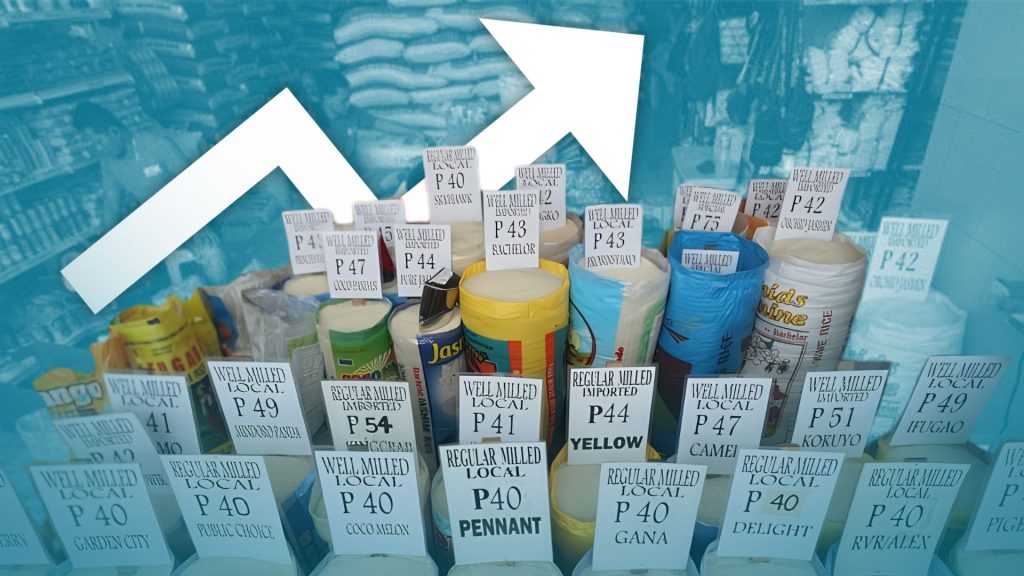
The effects of El Niño also extend into fisheries and food supply systems. Higher temperatures and changing rainfall patterns can disrupt aquatic ecosystems, reduce water quality, and affect fish production in both inland and coastal communities. As agricultural and fisheries output decline, food prices may also increase, placing additional financial pressure on households already struggling with rising living costs.
Beyond water supply concerns, prolonged dry conditions can also intensify existing economic and social pressures. Reduced rainfall may damage crops, decrease agricultural productivity, and threaten food security in farming communities. Rising temperatures can also increase electricity demand, placing additional pressure on energy systems already vulnerable to supply fluctuations during extreme weather conditions.
In urban areas, extended heat and dry conditions may worsen air quality and increase the risk of heat-related illnesses, particularly among vulnerable groups such as children, older adults, outdoor workers, and individuals with preexisting medical conditions. The impacts of El Niño therefore extend beyond environmental changes and become closely tied to public health and daily living conditions.
Prolonged exposure to extreme heat may also create serious public health concerns. According to the World Health Organization, extreme heat increases the risk of dehydration, heat exhaustion, and heatstroke, particularly among children, older adults, pregnant women, and individuals with preexisting medical conditions. High temperatures may also worsen respiratory and cardiovascular illnesses, especially in densely populated urban areas where heat becomes trapped by concrete infrastructure and limited green spaces.
Climate scientists have repeatedly emphasized that El Niño is not an isolated weather disturbance but part of a broader pattern of climate variability affecting countries across the Pacific region. In the Philippines, where many sectors remain climate-sensitive, even moderate changes in rainfall and temperature can produce widespread consequences that affect both economic stability and public welfare. The growing likelihood of another El Niño therefore highlights the continuing challenge of balancing development, resource management, and climate resilience in a country frequently exposed to environmental hazards.
Rainfall outlooks released by PAGASA also suggest shifting weather patterns between May and October. In May, western Luzon is expected to experience below-normal rainfall, receiving only 41 to 80 percent of average precipitation levels, while several parts of Luzon may face higher probabilities of below-normal conditions.
At the same time, parts of Bicol, southern Luzon, the Visayas, and Mindanao may continue experiencing near- to above-normal rainfall.
By June, rainfall is expected to increase in western sections of the country with the onset of the southwest monsoon, although some areas in Bicol, the Visayas, and Mindanao may still receive below-normal rainfall.
During July and August, considered the peak of the habagat season, PAGASA projects above-normal rainfall over western Luzon, Mindoro, Palawan, and parts of the Visayas, while some portions of the Visayas and Mindanao may continue experiencing drier-than-normal conditions.
Solis explained that this uneven rainfall distribution may already reflect the developing influence of El Niño, which can enhance rainfall in some monsoon-affected regions while reducing it in others.
By September, rainfall patterns are expected to shift further, with higher probabilities of below-normal rainfall over northern and central Luzon, while Bicol, the Visayas, and Mindanao may experience increased rainfall associated with the Intertropical Convergence Zone and possible tropical cyclones.
However, by October, PAGASA projects that more than 60 percent of the country may experience below-normal rainfall as El Niño conditions become more pronounced.
The growing likelihood of El Niño highlights the continuing vulnerability of both urban and rural communities to environmental disruptions and climate-related hazards. While forecasting systems and monitoring capabilities have improved over the years, the phenomenon continues to expose challenges in water management, agricultural resilience, disaster preparedness, and long-term climate adaptation.
As temperatures continue to rise and forecasts grow more concerning, the country once again finds itself preparing for a familiar environmental challenge—one carried not by strong typhoons or sudden floods, but by the slow and gradual absence of rain.