









Now Reading: Middle East conflict threatens P75B blow to PH food security
-
01
Middle East conflict threatens P75B blow to PH food security

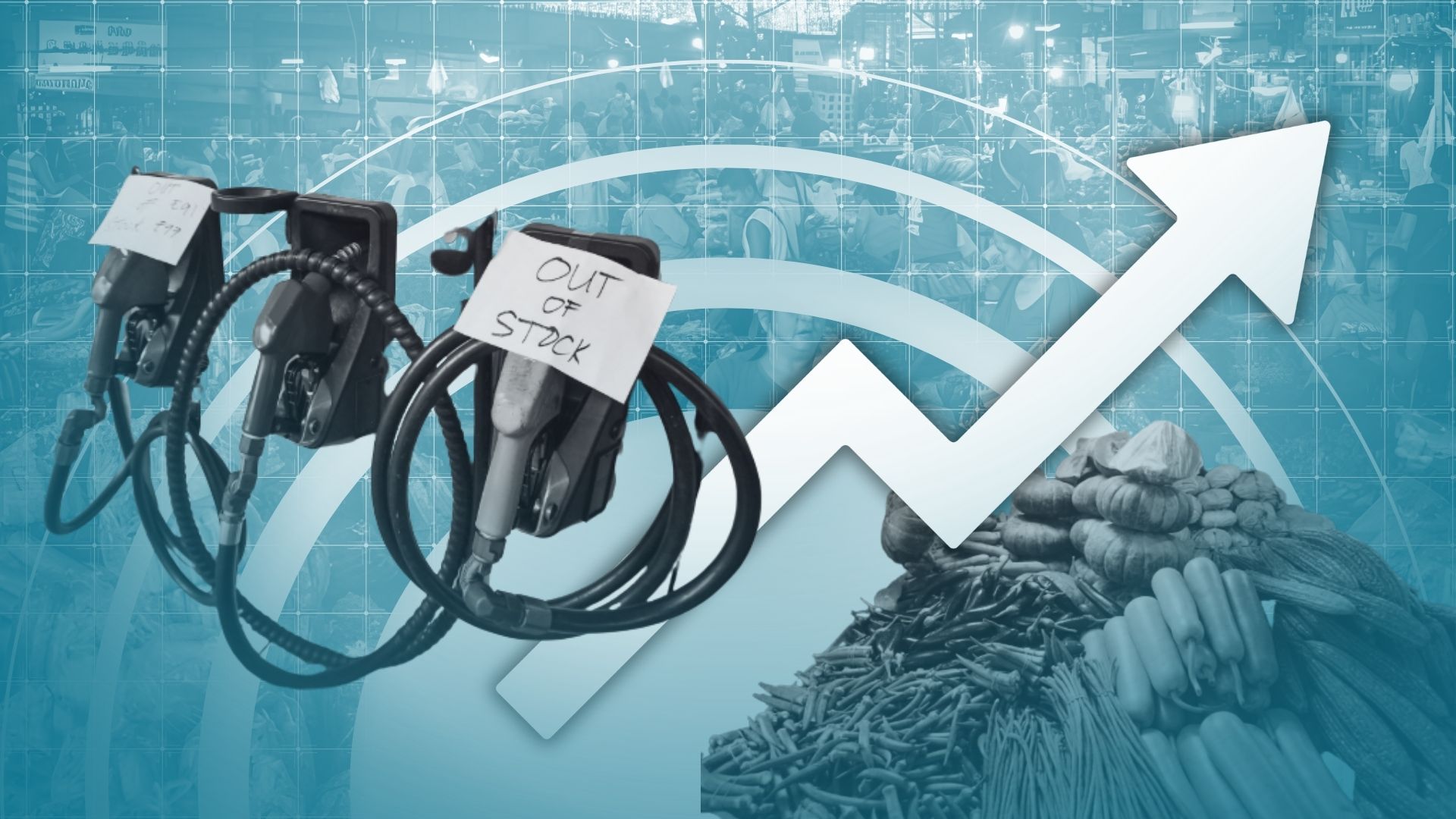
The Department of Agriculture (DA) warned lawmakers that the Philippine economy faces a potential P75-billion loss in agricultural production if the government fails to provide immediate relief to farmers and fishers struggling under the weight of surging fuel prices.
During a Senate hearing, DA Undersecretary Asis Perez characterized the situation as a looming “catastrophe,” noting that the massive economic blow represents the projected “cost of inaction” across the rice, corn, and fisheries sectors.
“The value that we’re projecting to lose—assuming we don’t do anything, the cost of inaction—for three major [sectors] alone, including rice, corn, and fisheries is already P75 billion,” Perez said during a Senate hearing of the Committee on Agriculture, Food and Agrarian Reform on Apr 8.
To prevent a total collapse in output, the DA is seeking roughly P37 billion to fund subsidies for farm inputs and fuel throughout May, June, and July, ensuring that harvests remain sustainable for the remainder of the year.
The proposed interventions involve a multi-pronged funding strategy, including the reallocation of unused DA funds from the 2025 budget and the utilization of the presidential assistance fund.
The agency also plans to tap P7 billion from the Rice Competitiveness Enhancement Fund to support 2.6 million rice farmers by June 2026.
These measures aim to provide a buffer for producers who are currently caught between rising operational costs and stagnant income.
Farmers are facing a similar squeeze, as high production costs are compounded by low farm gate prices and a growing reluctance from traders to purchase harvests.
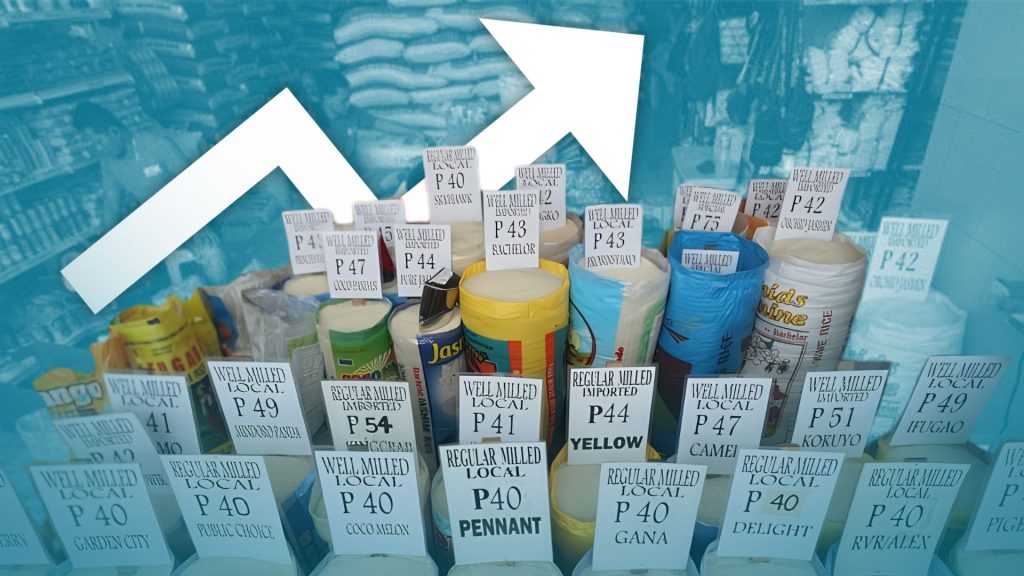
While the DA’s latest price monitoring shows that retail costs for basic agricultural commodities have remained relatively stable with only minor fluctuations, officials fear this stability is fragile.
Without the requested P37 billion in subsidies, the agency warns that the burden of high fuel costs will eventually be passed on to the public, threatening both the livelihoods of rural workers and the food security of the entire nation.
In the Senate, lawmakers like Francis “Kiko” Pangilinan are pushing for more than just cash aid, advocating for a shift to domestic biofertilizers to break the Philippines’ vulnerability to Middle East oil shocks.
“Hindi dapat sa tuwing may sigalot sa Middle East at krisis sa enerhiya at langis, ang ating mga magsasaka, mangingisda, at mamimili ang unang-unang natatamaan,” Pangilinan noted.
With the wet season beginning in June, the DA has less than 60 days to bridge the funding gap before the “cost of inaction” becomes a permanent reality for Filipino dinner tables.