




Now Reading: If Ninoy were alive, would he still think Filipinos are worth dying for?
-
01
If Ninoy were alive, would he still think Filipinos are worth dying for?
If Ninoy were alive, would he still think Filipinos are worth dying for?

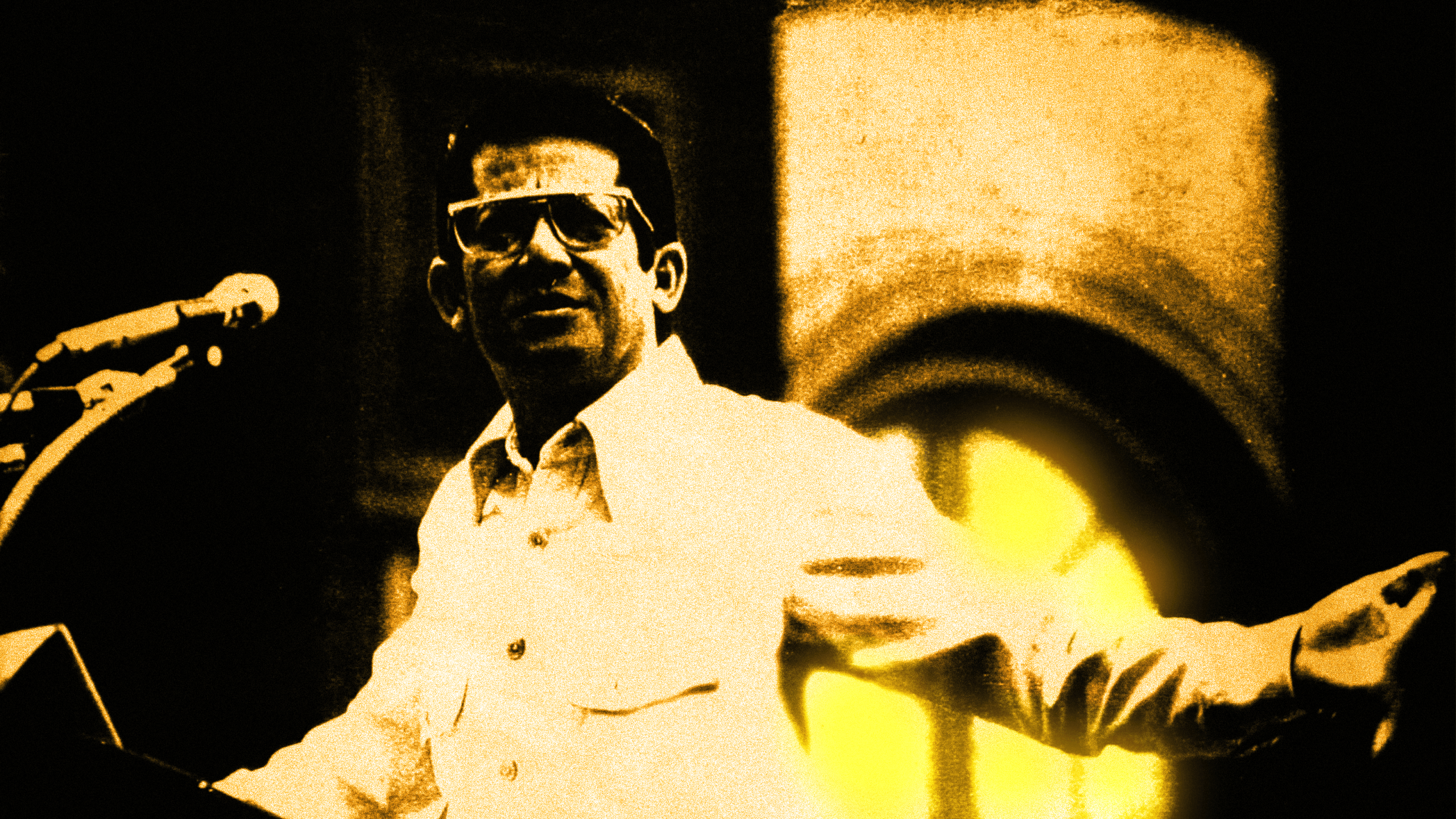
By Kris Angel Dogaojo and Francheska Rayo
History is our currency.
The late Senator Benigno “Ninoy” S. Aquino Jr. was the face of every ₱500 bill tucked away in our wallets and pockets. That was when history was in our grasp, but as the new polymer money began to displace the faces of our heroes printed in our bills, history slowly faded away in old, torn-apart, inked papers.
But whereas these bills disappeared in our pockets, it never did erase our true wealth—history.
Today, August 21, we are reminded that the bullet that pierced through the back of Ninoy’s head in 1983 awakened the minds of Filipinos who suffered in the hands of the dictatorship of former President Ferdinand Marcos Sr.
Hero behind bars
Ninoy’s name became synonymous with opposition to the dictatorship. He was hope in human form and his eyes were long opened when he condemned terror, violence, and abuse as tools to frighten the Filipino people into silence. When it was silent, he called for change and it echoed as a threat to Marcos Sr.’s agenda, and under Martial Law in 1972, Aquino was sent behind bars.
He was granted permission to seek treatment for his heart condition in the United States. But even after surgery, his heart continued beating for the Philippines.
On August 21, 1983, he returned home and for the last time, stepped on our land before a bullet sliced the air and lodged itself in his skull. And the moment he fell were awakening seconds for the rest of the country, which led countless uprisings and the dethronement of the Marcoses during the EDSA Revolution.
He started a call and it echoes until today. He is alive through every silenced, deprived, and oppressed Filipino. We remember his statements for a better Philippines as we reflect how it resonates with our current state.
“No to tyranny! No to corruption! No to all this degradation of human dignity!”
This was his calling in the freedom rally symposium by the Movement for Free Philippines (MFP) in Los Angeles on February 15, 1981.
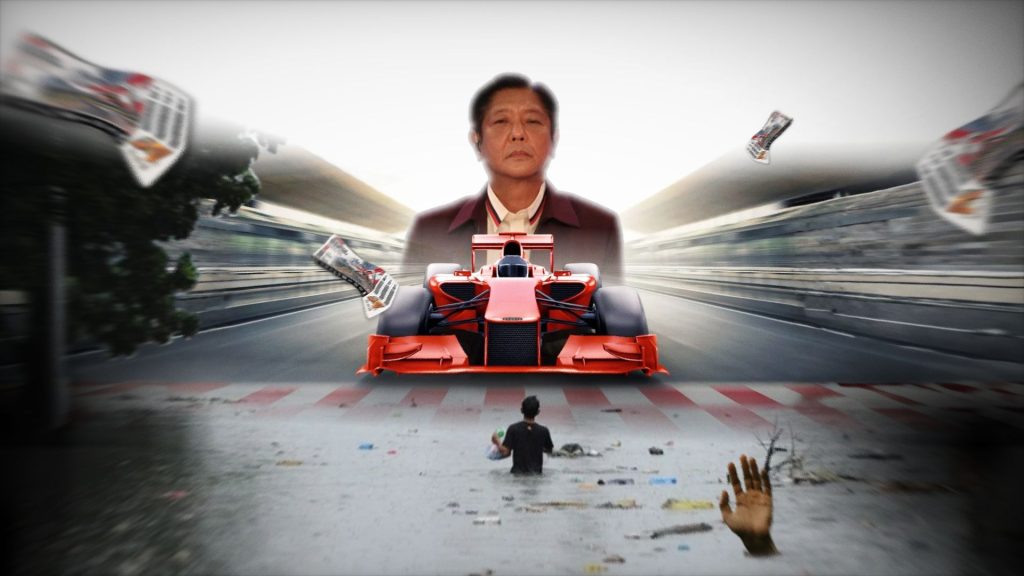
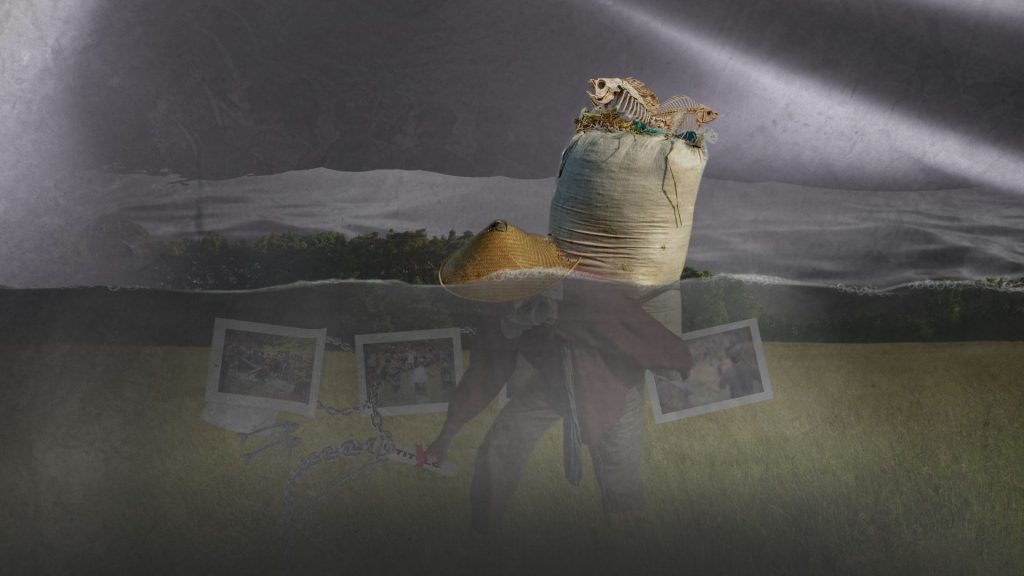
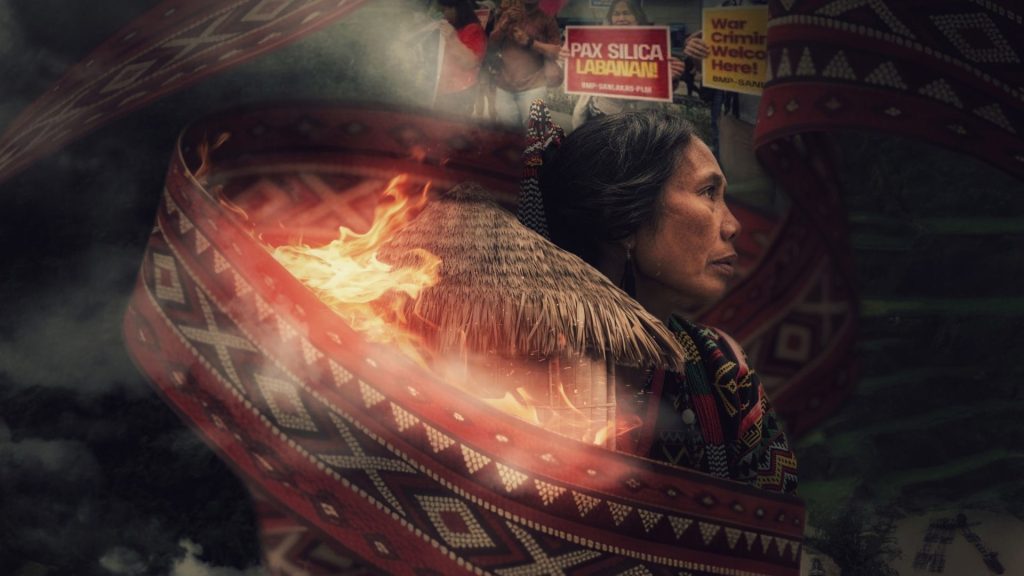
We please the oppressors with silence. And so Ninoy tells us that we deserve to say no in the face of those who think they know better than the Filipinos who experience what it’s like to be chest-deep in floods, be stripped of their lands and dignity, and be always put second after a public servant’s personal interests.
“When blood flows, there will be no victor”
Violence can’t answer a question that asks for peace–it’s never the solution.
This is an excerpt from Ninoy Aquino’s speech in the same movement in Los Angeles. There is no victor when blood flows from our kind. It divides and weakens the strength of the Filipinos when united.
And this is true with every gun that the Filipino youth learns to point at someone else. Recent school violence cases have drawn attention across the country, and every fired bullet should be our wake-up call to remind ourselves that a generation raised in violence is destroying our country’s future.
“We should not depend on one man, we should depend on all of us”
He reminded us that Filipinos are powerful when united—not when divided through political differences.
We, as countrymen, are taught and asked to serve no political colors, but to be devoted only to the blue, red, white, and yellow hues on our Philippine flag, and that we are the catalyst to be able to bring change and freedom to our homeland.
Serve them with all you heart
Written from prison to his son Noynoy in 1973, Ninoy Aquino’s message carried a deep sense of faith in the Filipino people and the country they called home. Even from behind bars, he spoke of the Philippines with a conviction that went beyond borders or circumstances.
More than five decades later, that sense of patriotism still invites reflection. In a country that continues to face its own struggles and changes, Ninoy’s words remind us that loving the Philippines is not only about taking pride in where we come from, but also about caring deeply for the people who make it home.
If I could have done something
“I will never be able to forgive myself if I will have to live with the knowledge that I could have done something and I did not do anything.”
For Ninoy Aquino, doing nothing was not an easy option.
As he considered returning to the Philippines in 1983 despite the danger, Cory Aquino recalled him saying these words as he wrestled with the thought of what it would mean to know he could have acted but chose not to.
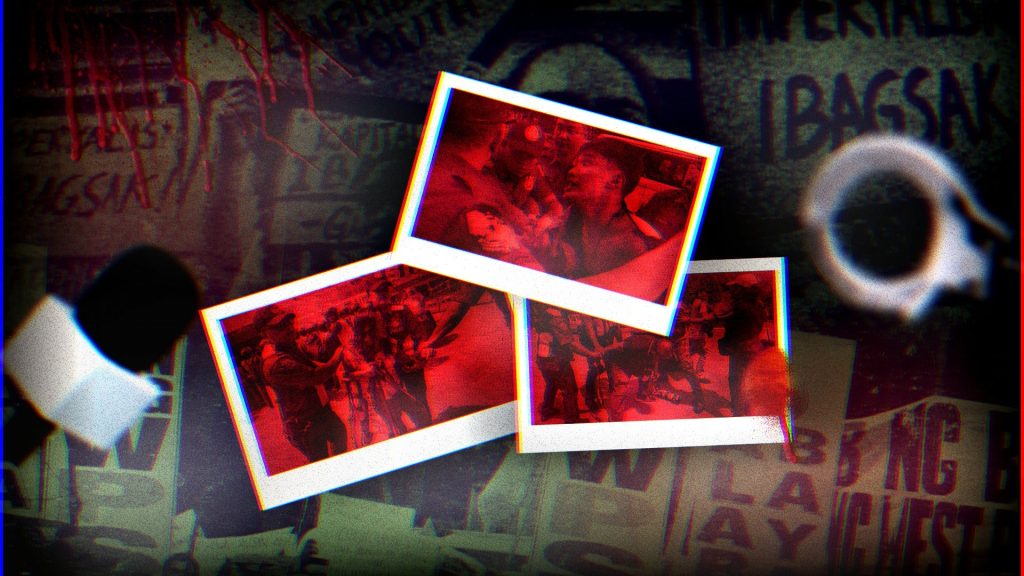
At present, we face our own moments of choice, even if they look nothing like Ninoy’s. These can be observed whenever Filipinos gather in the streets, raise placards, speak against injustice, or simply refuse to let an issue be brushed aside.
Not every voice will make it to the headlines, and not every protest will change things overnight. But silence guarantees nothing will be heard. If there is something within our reach, perhaps we owe it to ourselves, to one another, and to the country we call home to try.
The Filipino is worth dying for
In an interview during his exile in the United States, Ninoy Aquino reflected on the Filipino’s virtues and faults before ultimately choosing to believe in his people and their potential. He saw potential where others might have seen flaws, placing his faith in the Filipino as the country’s greatest resource.
Perhaps that is why the words continue to resonate, they do not ask us to see the Filipino as perfect, but as capable. Believing in the Filipino does not mean pretending we are with no flaws, it means recognizing that we can still choose better, speak louder, and do more for one another.
The Philippines Ninoy knew may no longer be the Philippines we live in, but the people he believed in are still here—and that belief asks something of us.
Words still resonating until now
Taken together, Ninoy’s words leave more than a collection of memorable lines. They reveal a man who continued to believe in freedom, in service, and most of all, in the Filipino even when the country gave him reasons to doubt.
His words have crossed generations because the questions behind them remain familiar: What do we do with our freedom? When do we choose to speak? And what are we willing to give for the country we call home?
Remembering Ninoy, then, should be more than repeating the words that made him a symbol. It should mean carrying their meaning into the present.
Speaking when silence costs more, standing when something is worth standing for, and using whatever we have to help shape a country worthy of the people who believe in it. He believed in what the Filipino could become and now, it is our turn to prove him right.
And to answer a lingering question that asks, “Are the Filipinos still worth dying for?”
Let there be no more Ninoy Aquinos who need to spill their own blood to free our long suffering country. This time, we shall all be alive to witness the freedom Ninoy had died to fight for.