










Now Reading: DOH logs 6% surge in leptospirosis cases; warns more for rainy season
-
01
DOH logs 6% surge in leptospirosis cases; warns more for rainy season
DOH logs 6% surge in leptospirosis cases; warns more for rainy season

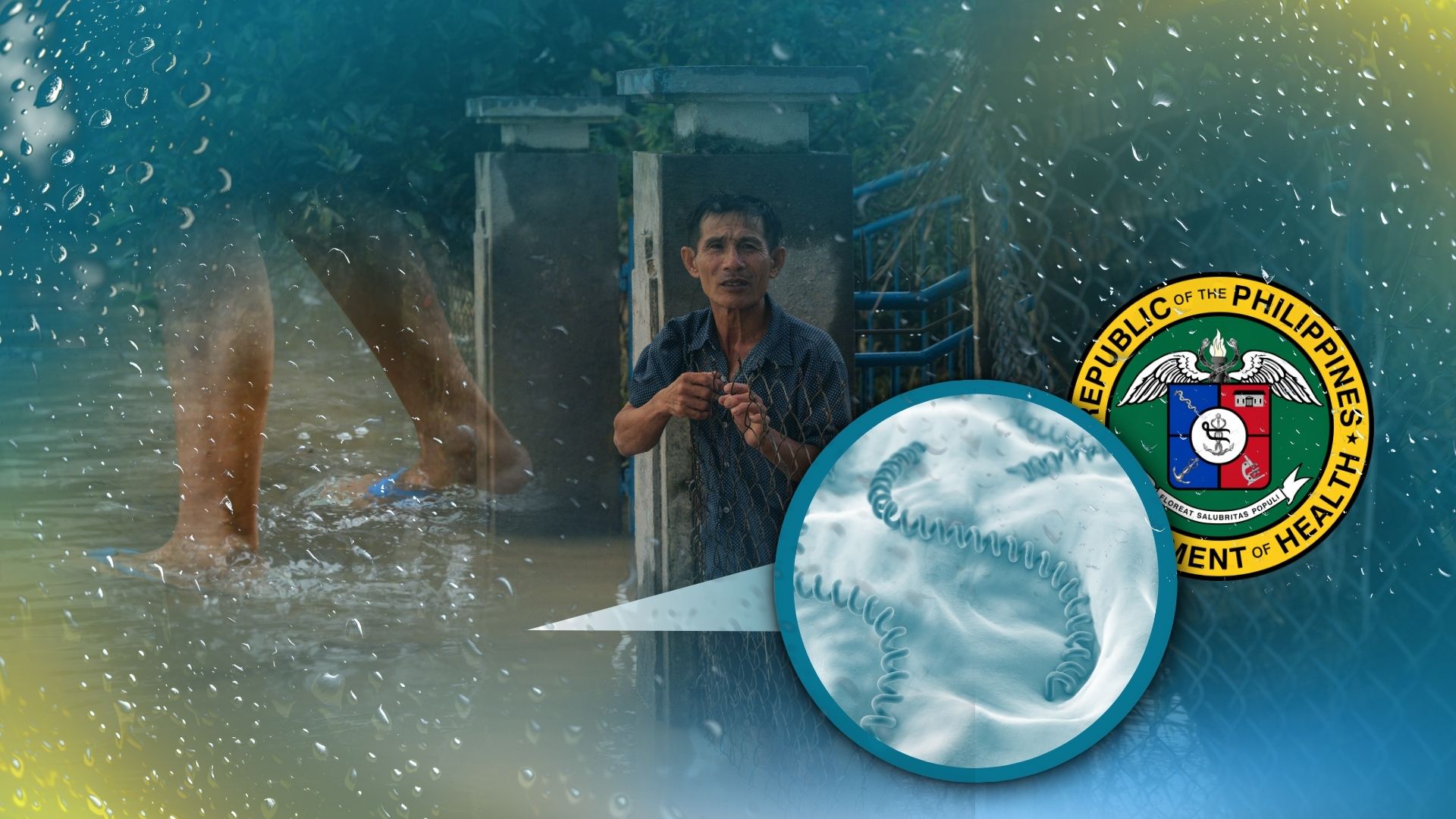
The Department of Health (DOH) reported a six percent increase in leptospirosis cases when compared to the same period last year, with a total of 2,177 leptospirosis cases from Jan. 4 to June 6, 2026, having been logged.
The agency brings to light the consequences of this disease, with the youth and farmers being the targeted demographics for contraction of leptospirosis. Most cases this year are farmers working in plantation fields or people who frequently make contact with floodwater.
Moreover, leptospirosis is a bacterial disease contracted through contact with water or mud-contaminated urine of infected animals, like rats.
Leptospirosis may be asymptomatic; in other words, no symptoms arise. However, when symptoms do occur, it may include a fever, headache, chills, muscle aches, vomiting, jaundice, red eyes, stomach pain, rashes, and diarrhea, according to Unilab.
Without proper treatment via antibiotics, infected patients may develop kidney, liver, or lining of the brain and spinal cord problems. DOH noted, however, to avoid self-medication, as it risks antibiotic resistance, erroneous dosage and timing, and deleterious side effects.
Furthermore, the department warns the public of more cases to come for the rainy season, so it urges the public to practice the following: wear boots, immediately wash contacted areas with clean water and soap, and avoid exposure to possibly contaminated areas.
As the habagat (southwest monsoon) brings continuous rains, the risk of flood-borne illnesses like leptospirosis spikes, calling for the need to execute precautions against bacterial and viral vectors.