











Now Reading: Medical ‘AI’nomaly: U.S. FDA reports alleged medical room incidents related to AI
-
01
Medical ‘AI’nomaly: U.S. FDA reports alleged medical room incidents related to AI
Medical ‘AI’nomaly: U.S. FDA reports alleged medical room incidents related to AI

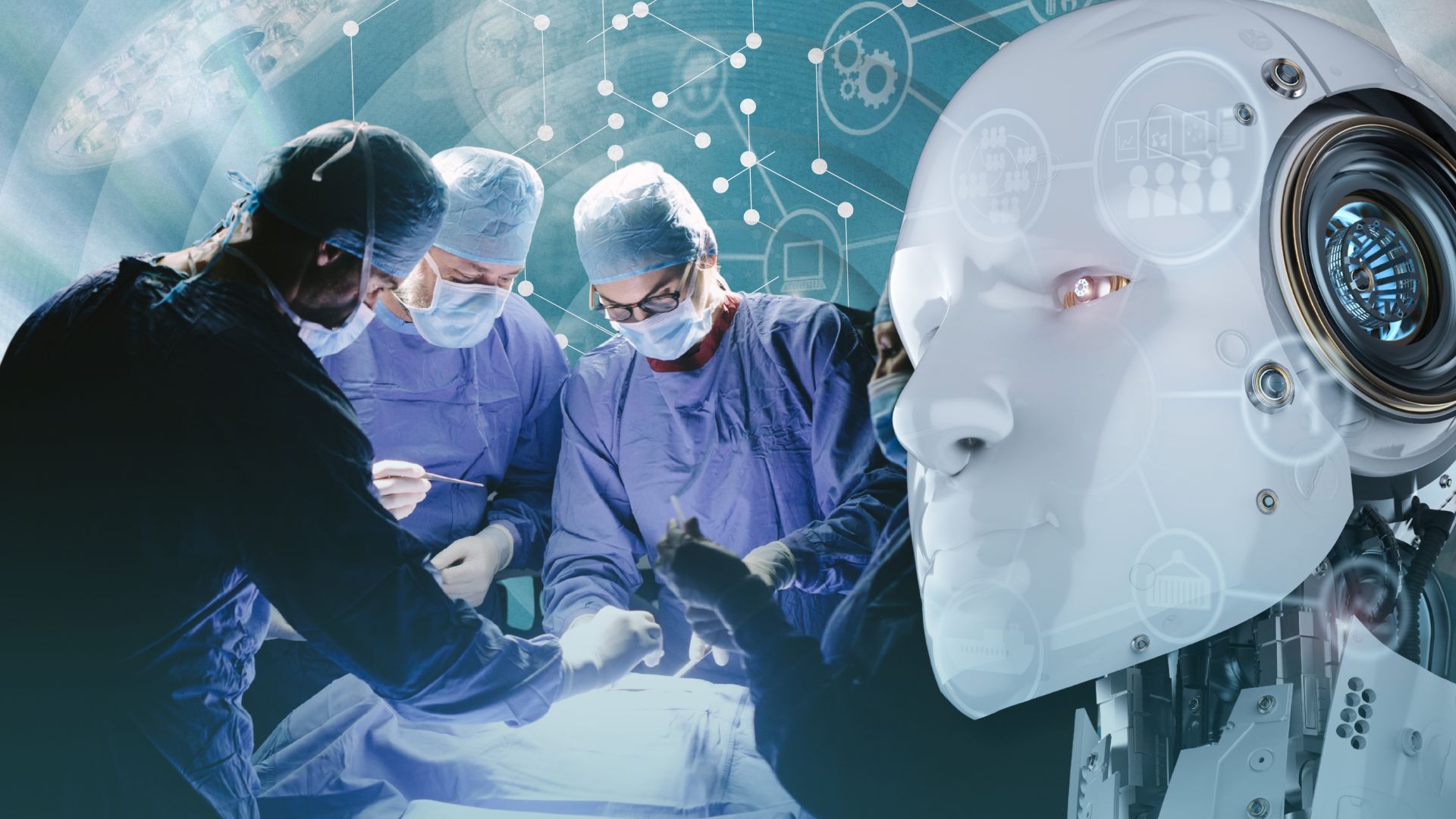
The wave of Artificial Intelligence (AI) has not stopped at just simple chatbots and caricature trends, it has also made its way to influence one’s next trip to the doctor.
In 2021, the multinational healthcare giant Johnson & Johnson declared a major “leap forward” through the addition of AI in the production of one of their medical devices which has long been in the market for three years.
Since the addition of this algorithmic feature, the United States Food and Drug Administration (FDA) has been said to receive at least 100 unconfirmed reports of injuries and malfunctions relating to the device.
Surgical Slip-up
TruDi Navigation System, a device used to treat sinusitis or the chronic inflammation of the sinus, is said to provide real-time, 3D visualization to help doctors navigate during endoscopic and skull-based procedures.
According to the FDA, at least 10 people were reported to allegedly be injured by TruDi between late 2021 and November 2025.
From errors like cerebrospinal fluid leaking from a patient’s nose, accidental puncturing of the base of a patient’s skull, to two strokes caused by an injury to a major artery, these claimed injuries were said to have happened due to misinformed surgeons.
It was reported that the addition of AI to the instrument contributed to the incorrect information on the location of the device while performing the surgeries.
Two lawsuits from the stroke patients are said to have been filed alleging that TruDi’s AI was a factor of the surgery error. “The product was arguably safer before integrating changes in the software to incorporate artificial intelligence than after the software modifications were implemented,” said one of the lawsuits.
Future in Medicine
With many predicting that AI-integrated medical procedures further boom in the near future, tasks such as drug discoveries and surgery enhancements with the help of AI are seen to increase.
As various tech companies and medical providers race to further advance the field of medicine and methods of treatment given to patients the FDA is said to have authorized 1,357 medical devices using AI through 2022.
With this, TruDi was not the only instrument seen to have negative results due to AI. Other AI-enhanced devices such as heart monitors that have overlooked abnormal heartbeats and ultrasound devices that have misidentified fetal body parts have been reported.
Rise and Recalls
Researchers from the universities of John Hopkins, Georgetown, and Yale have found that 60 FDA-authorized devices utilizing AI-enhancements were linked to 182 product recalls due to malfunctions or other anomalies.
The review said that 43 percent of these recalls happened in less than a year of authorization from the administration which is twice the recall rate of all devices under similar FDA rules and standards.
Integra LifeSciences, the company which acquired Acclarent Inc., the company of TruDi from Johnson & Johnson have told Reuters that the AI addition to the device and the alleged injuries it caused were not of direct relation.
“There is no credible evidence to show any causal connection between the TruDi Navigation System, AI technology, and any alleged injuries,” Integrat LifeSciences responded.
PH on AI
As the rise of AI and machine-learning in many seemingly ordinary tasks continue to rise, the Department of Science and Technology (DOST) continue to present AI-driven innovations and encourage their integration to the Philippine health sector.
In a presentation by Dr. Jaime Montoya, Executive Director of the DOST-Philippine Council for Health Research and Development (DOST-PCHRD), he presented different AI-supported health innovations backed-up by the agency.
Among these projects is the newly implemented Artificial Intelligence Nutrition Assistant (AINA)—an automated dietary assessment and food recognition mobile application.
This AI-application is seen to be used by public health professionals, researchers, and other concerned sectors and could revolutionize the country’s approach to dietary management.
Other spotlighted systems were UtakAI utilizing AI in imaging for detecting and analyzing brain tumors with high accuracy and the HealthPH project used to detect and monitor trends in respiratory disease cases through social media posts for real-time and efficient surveillance and response.
Additionally, forms of AI such as chatbots like ChatGPT and Google Gemini are seen to be used by physicians in order to transcribe medical consultations and notes.
Built on language learning models of LLMs, these systems are seen to also be used in various health apps but also pose a threat as people may resort to using them for self diagnosing and prescribing medication.
As the debate of AI and its presence in the hospital room continue to spark debate, the singular objective of providing efficient and reliable healthcare is continually advancing.
Experts acknowledge that it may not be a long time coming when doctor’s appointments become completely digital and include less human interaction. However, they underscore that one must still consider the pros and cons of intelligent machines’ progression.