










Now Reading: Your next cooking fuel might not come from a tank—here’s why
-
01
Your next cooking fuel might not come from a tank—here’s why
Your next cooking fuel might not come from a tank—here’s why

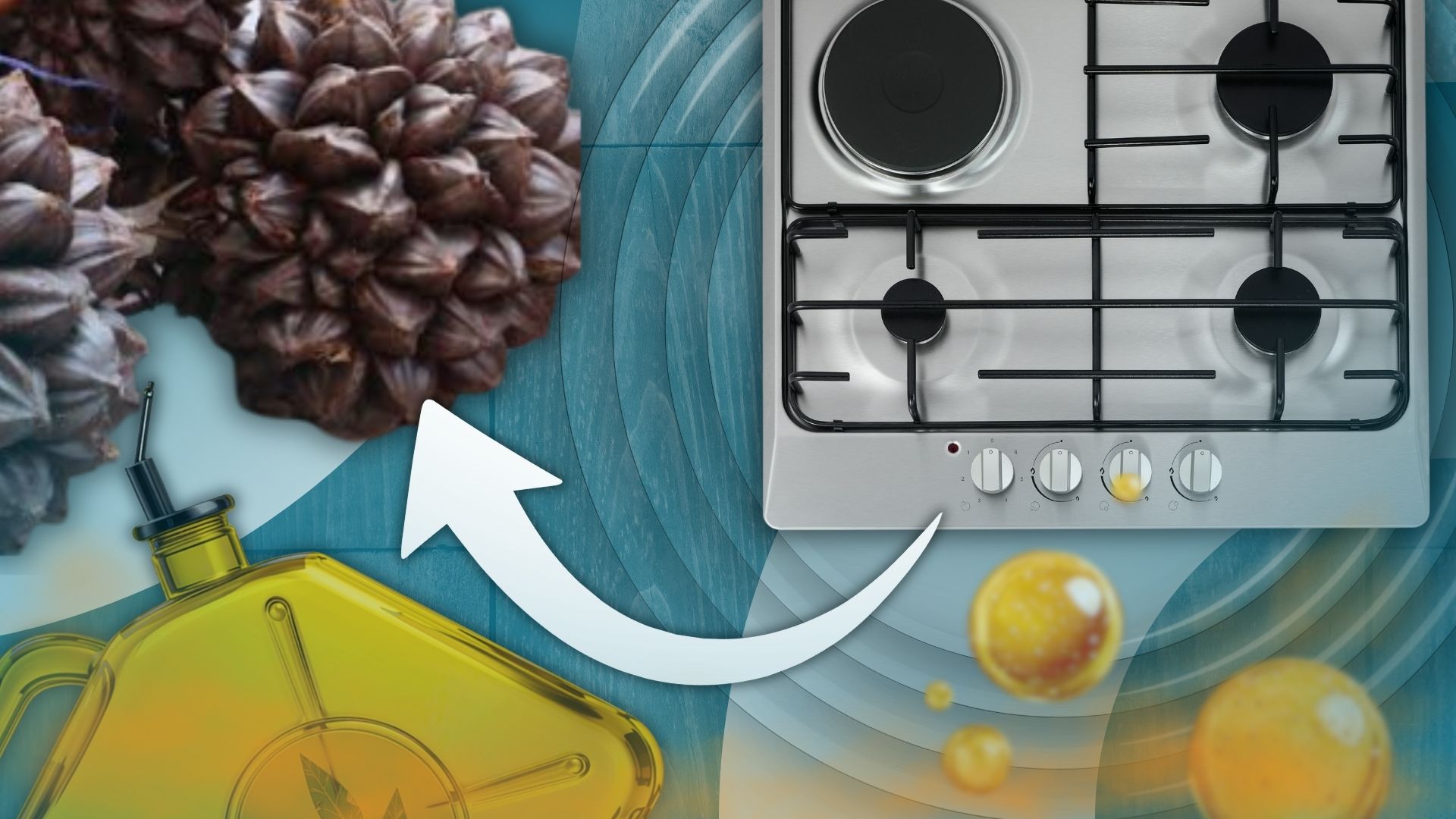
Rising LPG prices are forcing Filipino households to rethink even the most routine part of daily life: cooking. What was once a quiet certainty now comes with a second thought, as fuel costs begin to pinch even the simplest meals. In that shift, alternatives like nipa-based ethanol and biogas are gaining attention as cleaner, more local options.
Researchers led by Filipino scientist Dr. Fiorello B. Abenes, a Balik Scientist hosted by the Mariano Marcos State University–National Bioenergy Research and Innovation Center (MMSU-NBERIC), are exploring a fuel called nipahol, distilled from nipa palm sap and designed for use in indoor cooking stoves.
Interest in such alternatives has grown as the cost of liquefied petroleum gas (LPG) rises due to higher international shipping costs and tightening global supply, putting pressure on households that depend on imported fuel.
Alongside this, energy analysts are also pointing to biogas, a methane-rich fuel produced from biodegradable waste such as livestock manure and food scraps, as another locally sourced option that households may use to reduce reliance on LPG.
Fuel By The Shoreline
Nipahol is about 95 percent ethanol, enough to fuel everyday cooking efficiently. The sap comes from nipa palms (Nypa fruticans), a coastal plant naturally rich in sugars and long used for vinegar and toddy. Its potential as a cooking fuel is only now being explored, with facilities like MMSU-NBERIC using reflux distillation to achieve the right concentration.
The fuel is paired with a prototype stove through Abenes’ Village-Scale Nipahol Technology project. Designed for both indoor and commercial use, these stoves are still being refined. Researchers are working on improving the pressure system and testing the technology’s practicality for everyday cooking.
Nipa’s value extends beyond ethanol. Its sap contains a high level of fermentable sugars, making it ideal for bioethanol production through standard fermentation methods. With nipa palms abundant across the Philippines and parts of Southeast Asia, communities already familiar with the plant may have an unexpected source for sustainable, local energy.
Turning Scraps to Sparks
Alongside Nipahol, biogas is gaining attention as another homegrown solution. The gas is produced when organic waste, such as livestock manure and food scraps, breaks down in oxygen-free conditions, generating methane that can be captured for cooking.
The process makes use of waste that would otherwise be discarded, turning it into a usable source of energy. Households or small communities with enough organic material can produce biogas onsite, creating a local alternative to imported LPG.
While promising, biogas does come with limitations. Consistent access to feedstock and proper storage systems are essential, which can make adoption more challenging in densely populated urban areas.
The Budget Burn
The urgency for alternatives comes as LPG prices soar. The LPG Marketers Association warned that an 11-kilogram cylinder could reach ₱1,500 in April 2026, driven by rising shipping costs and limited access to major oil routes. For many households, the increase is more than a number—it’s a strain on everyday cooking and budgets.
Small vendors and eateries feel the pinch first. Some have reverted to wood or charcoal fires, while others experiment with electric stoves as temporary solutions. Each option brings its own challenges, from higher costs to slower cooking and increased emissions.
These changes reflect how tightly household routines are tied to fuel costs. Even moderate spikes can ripple through daily life, highlighting why exploring cleaner, locally sourced alternatives like Nipahol and biogas has become increasingly important.
Sustainable Flames
Traditional cooking fuels like wood and charcoal produce smoke and particulate matter that can harm respiratory health, particularly in enclosed kitchens, while ethanol-based fuels such as nipahol and biogas burn cleaner and produce far fewer pollutants. Cleaner-burning fuels also produce more efficient heat and reduce exposure to harmful emissions, an advantage that researchers see as part of the broader value of alternatives beyond just cost.
But alternatives come with challenges. Nipahol is still in prototype stages, and scaling up the technology to meet widespread demand will require more investment, logistics, and training for communities. Biogas, while promising, requires access to sufficient organic waste and the systems to capture, store, and use the gas safely, which some households may find difficult to implement without guidance or support.
All the while, the squeeze on household budgets from rising LPG prices continues to make alternatives more than a technical curiosity. As families rethink how they fuel their stoves, solutions like Nipahol and biogas show that energy shifts need not always come from far-off innovations. Sometimes, they come from the plants by the seashore and the waste at backyard bins, quietly offering new ways to cook the next meal without relying on borrowed fire.