










Now Reading: Your pet fish doesn’t belong in the wild — here’s what researchers say
-
01
Your pet fish doesn’t belong in the wild — here’s what researchers say
Your pet fish doesn’t belong in the wild — here’s what researchers say

Nicholas John Vidal
For many pet owners, a fish bowl may seem too small for a pet fish. At first thought, granting their freedom may seem like an act of kindness, but researchers warn that a single release may create unwanted consequences that go beyond the fate of a single fish.
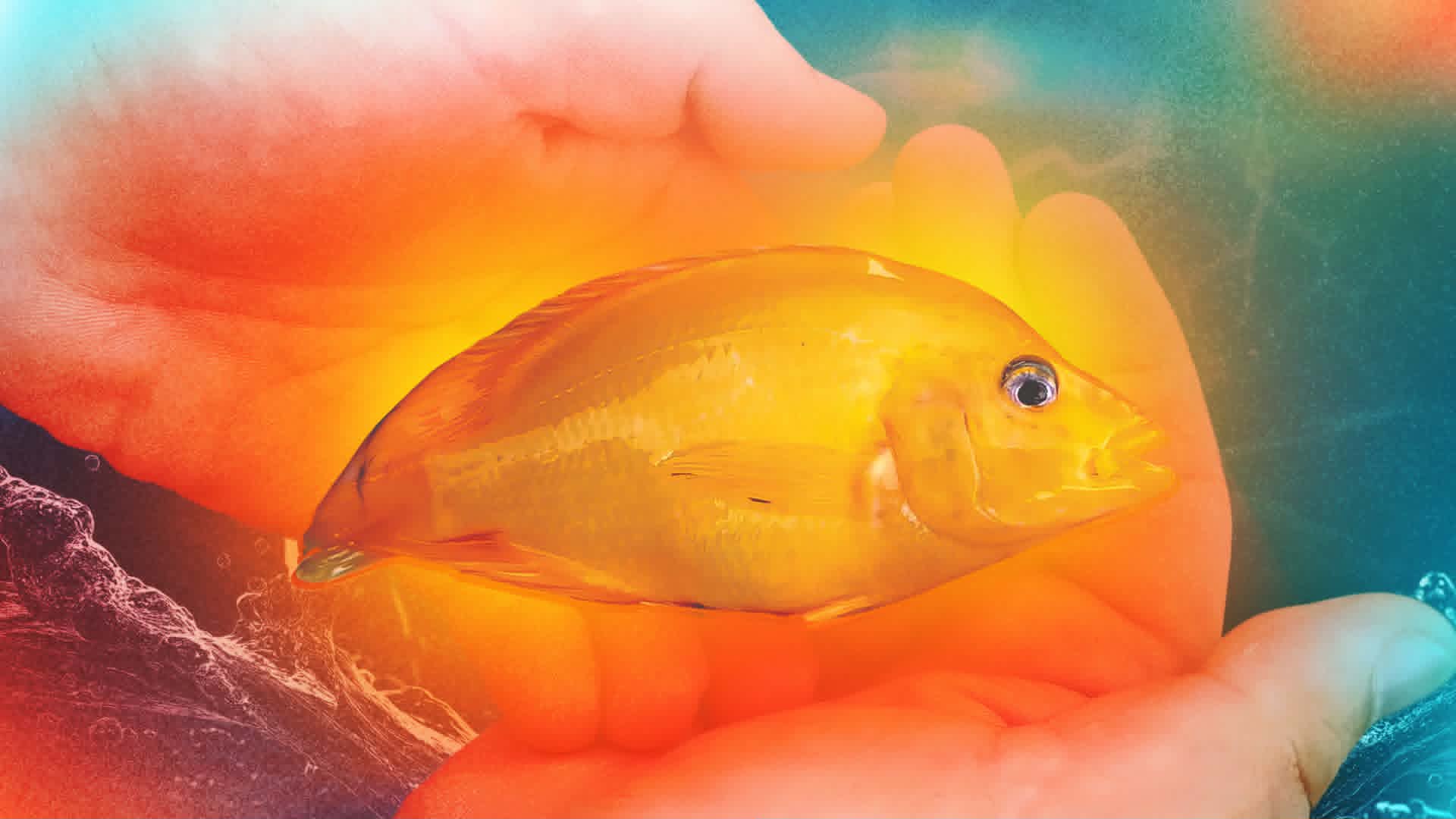
Researchers from the Ateneo de Manila University, Department of Biology and the Ateneo Aquatic and Fisheries Resources Laboratory recently found that invasive Flowerhorn cichlids— a vibrant, highly sought-after fish in the aquarium trade— have rapidly multiplied in Sampaloc Lake in San Pablo City, Laguna.
According to the researchers, the fish established a thriving population after being accidentally released during a major typhoon.
Their study titled “Fenced and Feral: Farming and Spread of Flowerhorn (Amphilophus spp.) in Lake Sampaloc” says the invasive species is displacing fish native to the lake, disrupting ecological relationships within the ecosystem, and may even harbor parasites linked to several human diseases and health conditions.
Flowerhorns are considered an invasive species of fish, a term commonly used by the International Union for Conservation of Nature (IUCN) to describe organisms introduced by humans— whether intentionally or accidentally— into environments beyond their natural range. Once established, these species may threaten the habitat’s native wildlife as well as disrupt ecological balance.
Unlike native fish that naturally evolved alongside other species in the lake, Flowerhorns entered Sampaloc Lake as “intruders”, which means they possess traits that allow them to gain an advantage over native species. As their numbers continue to grow, they can end up disrupting the lake’s food web, ultimately affecting other species that depend on it.
These species of fish are also known to be aggressive and territorial in nature. Coupled with its high reproductive frequency, they are able to dominate feeding areas and breeding grounds, which would reduce the abundance of the resources native fish rely on.
Among the species most heavily affected is the locally-sourced “Ayungin”, known scientifically as Leiopotherapon plumbeus, a native freshwater fish once abundant in Sampaloc Lake. Aside from being Jose Rizal’s favorite fish, ayungin has long served as a common source of food and livelihood for local fisherfolk.
Due to the high reproductive potential of the Flowerhorns in the lake, the Ateneo researchers noticed a significant decrease in the population of ayungin, noting that the species is now rarely encountered in the lake and is currently classified as “Vulnerable” by the IUCN. The organization also reported a 38.4% decline in the species’ fisheries production over the past decade, with invasive species being one of the factors contributing to its continuous decline.
One characteristic that gives Flowerhorns the upperhand against the lake’s native species is their remarkable adaptability. According to the study, the fish is able to thrive even amid harsh environmental conditions within Sampaloc Lake, withstanding pollution, nutrient runoff, waste linked to aquaculture, and even microplastics.
“These dynamic conditions not only destabilize the native biota but also strengthen the competitive advantage of Flowerhorn cichlids, whose phenotypic plasticity and physiological tolerance enable survival and dominance under anthropogenically stressed environments,” the researchers stressed in their study.
Moreover, previous studies cited in their research revealed that Flowerhorn cichlids can host a particular type of zoonotic parasite known as Paracapillaria philippinensis, which is associated with conditions like intestinal capillariasis, a disease capable of causing abdominal pain, chronic diarrhea, and malnutrition in humans. Though, no cases of human infection have been recorded yet in the surrounding locality.
Ironically, the same fish that is threatening the lake’s biodiversity has also become a source of economic activities. According to researcher Hanna Nicole Gasmen, wild flowerhorns that accidentally enter tilapia pens are often retained and sold, while some catch the fish for recreational purposes, or mere consumption, so long as it is cooked properly.
“While residents of Barangay IV-A do not consume the fish, visiting locals from Laguna Province and nearby areas were observed catching Flowerhorn cichlids during recreational fishing and incorporating them into home-cooked meals,” Gasmen said.
In an attempt to manage the growing population of Flowerhorns, the researcher proposed harvesting invasive Flowerhorns and converting them into aquafeed under a circular economy approach, provided the fish first undergo screening for any potential parasites, pathogens, or contaminants.
The study also recommended the wider use of invasive-species screening tools to identify higher-risk freshwater species before they firmly become established in Philippine lakes such as Sampaloc Lake.
Before deciding that a lake is a better home for a fish, researchers urge owners to think twice before doing so. In cases like these, a single release can create circumstantial ripples that go far beyond the fate of a singular pet.