







Now Reading: Biofuel in Barks: The Yeasts That Could Power Tomorrow
-
01
Biofuel in Barks: The Yeasts That Could Power Tomorrow
Biofuel in Barks: The Yeasts That Could Power Tomorrow

Yohan Marco Caliao
The future of clean energy might not come from shiny labs or massive wind farms, but from something far smaller, quieter, and easier to overlook. Hidden in tree bark, roots, and forest leaves, microscopic organisms have been doing energy work long before humans named it renewable. In Mount Makiling, scientists found that some of these yeasts can produce oils capable of powering biodiesel.
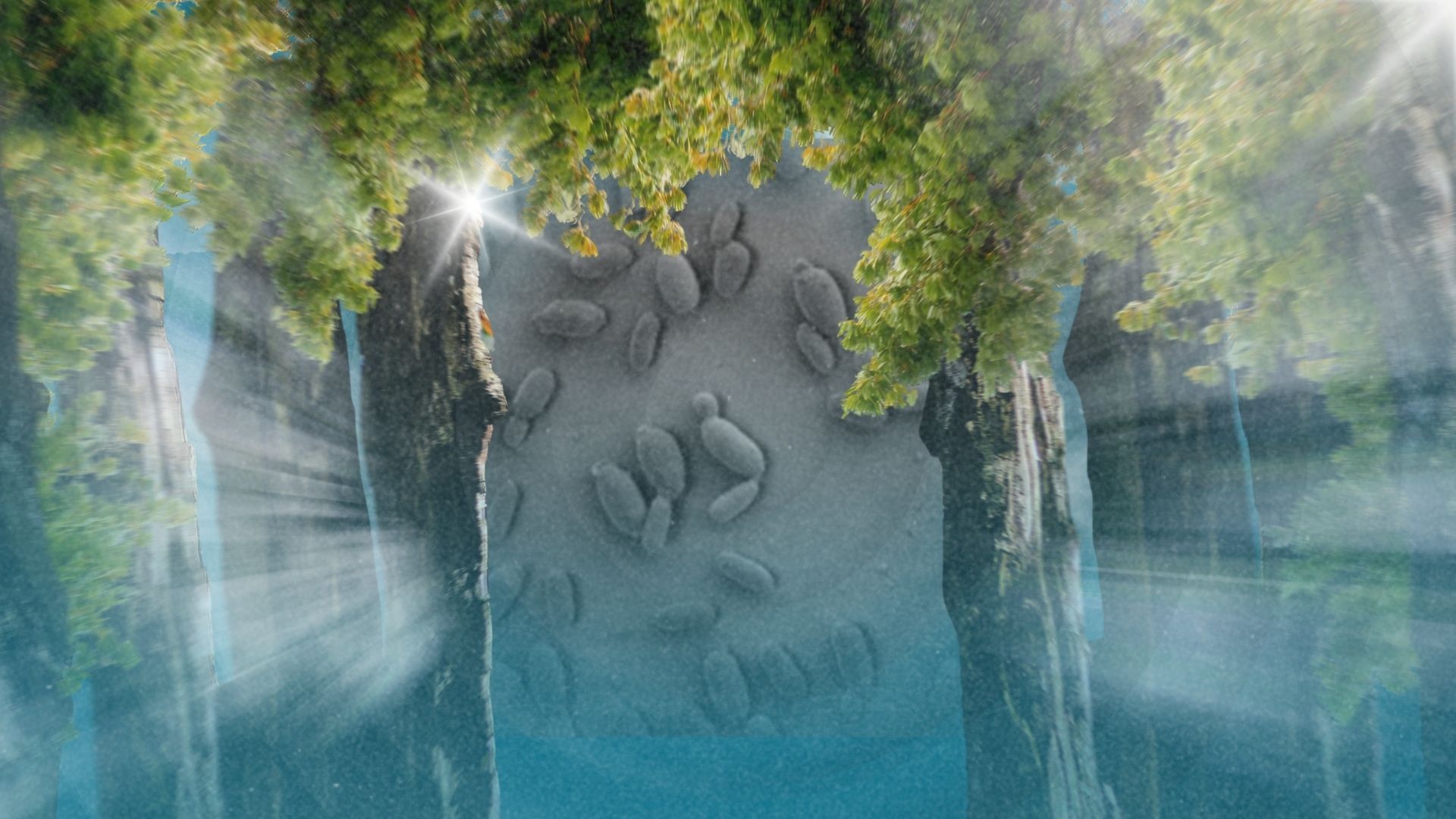
In a study published in the Journal of Applied Biology and Biotechnology, researchers Irene Pajares, Princess Requiso, Lorenzo Fabro Jr., Kristine Rose Ramos, and Asuncion Raymundo examined Mount Makiling’s forest ecosystem and identified oleaginous or oil-producing yeasts as potential raw material for biodiesel. These native microorganisms naturally store significant amounts of oil inside their cells.
Oleaginous yeasts are microscopic organisms capable of converting sugars into lipids that can later be processed into fuel. Unlike crops traditionally used for biodiesel, these yeasts grow quickly, require less space, and do not compete with food production, making them a quieter but promising player in renewable energy.
Forest Fuel Found
Hidden in the bark, roots, and leaves of Mount Makiling’s forest, microscopic organisms are quietly doing work with big energy implications. Researchers Pajares, Requiso, Fabro Jr., Ramos, and Raymundo collected yeast samples from ferns, moss, orchids, and various forest trees, screening them for their ability to store oil inside their cells. These oleaginous yeasts turned out to be more than biological curiosities.
Out of 258 yeast colonies examined, 22 showed strong potential for lipid production. Two strains stood out: BUB8, isolated from the bark of a Bagtikan tree, and NFR6, collected from the fern-root of a Narra tree. Under optimized conditions, both produced high biomass and lipid levels, with BUB8 yielding the most oil and proving especially suitable for biodiesel conversion.
Beyond the lab results, the findings highlight the value of Mount Makiling’s biodiversity. Using native yeasts as a biofuel source reduces dependence on imported fossil fuels while avoiding the land conversion and heavy resource use linked to crop-based biodiesel. In these tiny forest dwellers, researchers found a renewable energy option rooted in conservation rather than exploitation.
Microscopic Marvels
Unlike biodiesel made from crops like soybean or palm oil, oleaginous yeasts offer a cleaner path to renewable fuel. They grow quickly, require less space, and do not demand large-scale farming, fertilizer use, or land conversion that can damage ecosystems. This makes microbial biodiesel a quieter alternative that avoids competing with food production.
The Mount Makiling study also shows how local biodiversity can support energy independence. By tapping into native microbial resources, countries can reduce reliance on imported fossil fuels while lowering greenhouse gas emissions. What grows naturally in forests may help power communities without stripping the land bare.
More than just a lab success, the findings add momentum to the search for sustainable energy solutions. As climate change intensifies the need for cleaner fuels, studies like this prove that innovation does not always come from massive infrastructure.
What makes the Mount Makiling discovery striking is how easily it could have been missed. While attention often goes to towering wind turbines and sprawling solar fields, these yeasts have been storing energy in silence, hidden in bark and leaves, long before clean energy became a global goal. In proving that something so small can fuel something so big, the study reframes where the future of renewable power might truly be found.