











Now Reading: NASA announces plans for permanent Moon Base by 2029
-
01
NASA announces plans for permanent Moon Base by 2029

Kyle Gerick Tamayo
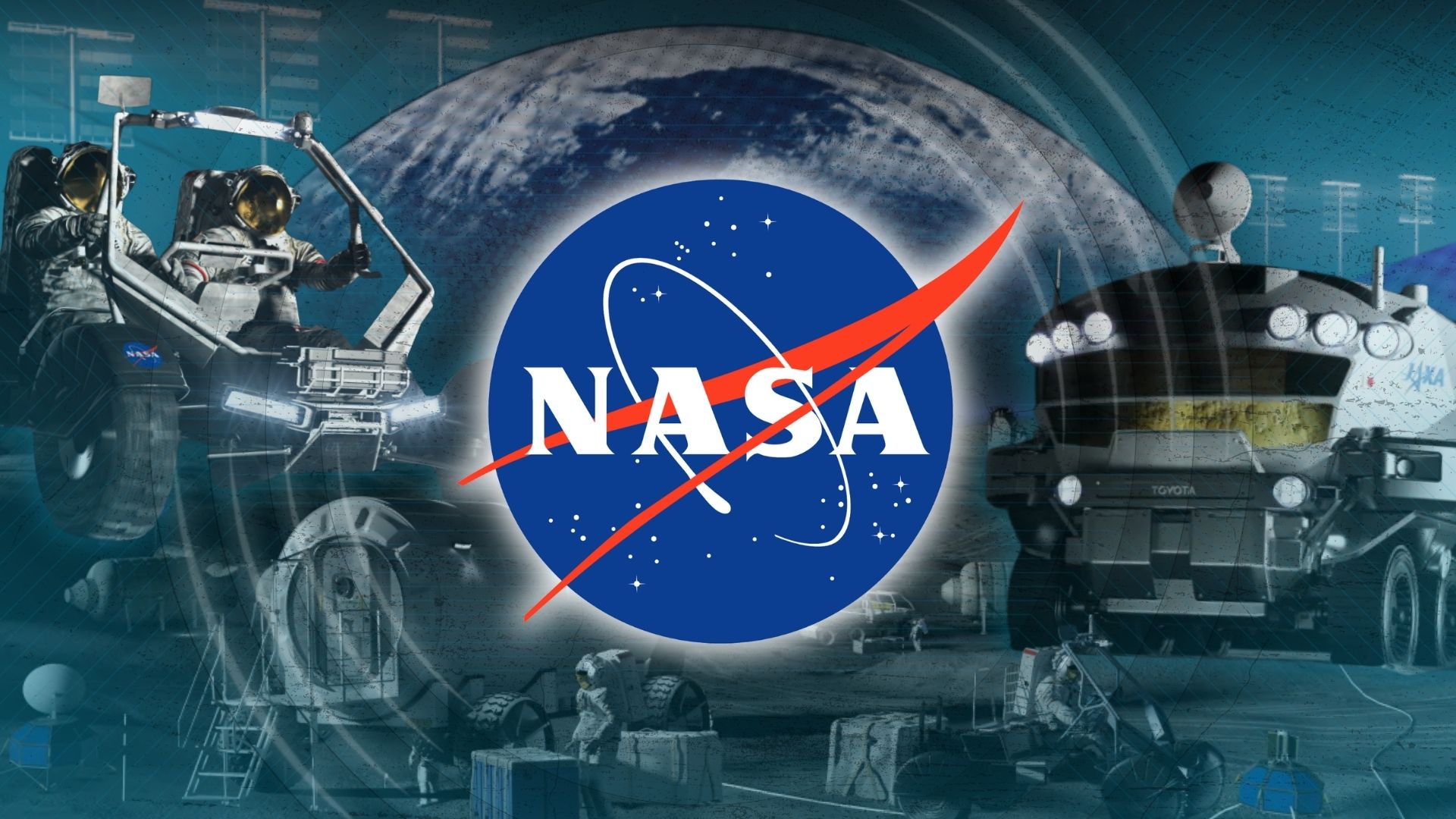
During the 1960s, humanity made its achievement to step onto the moon. More than fifty years later, NASA is preparing for a return— not for a visit, but to build its first permanent base beyond Earth.
The National Aeronautics and Space Administration (NASA) has officially announced plans to establish a permanent Moon Base, with work on early habitation beginning in 2029.
This initiative is a core part of NASA’s Artemis program, which aims to establish human presence on and around the moon over the next decade.
Unlike the previous missions during the 1960s and 1970s, which are the Apollo missions that lasted only a few days, the new plan focuses on creating a place where astronauts can continuously live, work, and conduct scientific research on the Moon.
In a press briefing at NASA Headquarters, NASA Administrator Jared Isaacman stated that the Moon Base project would become a historic turning point for human exploration beyond Earth.
“The Moon Base will be America’s and humanity’s first outpost on another celestial world,” Isaacman said. “Every mission, crewed and uncrewed, will be a learning opportunity as we return to the lunar surface, build the infrastructure to stay, and master the skills required to live and operate in one of the most demanding and dangerous environments imaginable.”
Isaacman also added that the goal of establishing the Moon Base is to encourage a lunar economy while conducting scientific research and laying the foundation for a Mars expedition.
The base is planned near the Moon’s South Pole because some parts of the area receive sunlight for longer periods throughout the year, making it a good location for generating solar power. Additionally, the availability of frozen water hidden inside dark craters in the region could someday provide drinking water, oxygen for breathing, and even fuel for rockets.
With the presence of these waters, this allows them to rely less on supplies transported from Earth.
The Moon Base project includes three phases:
The first phase, which will continue until 2029, NASA plans to conduct a major increase in lunar missions, with up to 25 missions and 21 landings.
This phase will also focus on robotic exploration and technology testing to scout the Moon’s South Pole region before astronauts begin long-term stays on the lunar surface.
The second phase, which is expected to begin around 2029 to 2032, will focus on constructing semi-permanent infrastructure where astronauts can live for extended periods while conducting scientific operations.
NASA also plans to install larger communication systems, transportation infrastructure, cargo facilities, and continuous power systems across the lunar surface.
The final phase, planned for the early 2030s, aims to establish continuous human operations on the Moon with rotating astronaut crews and long-term research facilities. The initiative expects permanent laboratories, expanded transportation systems, and routine cargo deliveries supporting a growing lunar settlement.
The Moon remains one of the harshest environments humans have attempted to inhabit. Astronauts will face dangerous radiation exposure, extreme temperature changes, micrometeorite impacts, and abrasive lunar dust capable of damaging machinery and spacesuits.
But for the people behind this project, these challenges are part of what makes this mission important. Overcoming these extreme conditions could help humanity develop new technologies and knowledge needed for future outer space missions.
“For those waiting patiently, the grand return is close at hand, and we will not slow down. We are moving with the competence and purpose to accomplish the missions that only NASA is capable of achieving, and we are just getting started,” said Isaacman
NASA’s Moon Base initiative represents one of the most ambitious space exploration projects of the modern era. And if successful, the project could mark the beginning of humanity’s first permanent presence outside Earth and become the foundation for future missions deeper into the solar system.