










Now Reading: On this date, the Sun proposes to the Earth yet again
-
01
On this date, the Sun proposes to the Earth yet again

For an average of 16 months—in some places in the world—a total solar eclipse takes place.
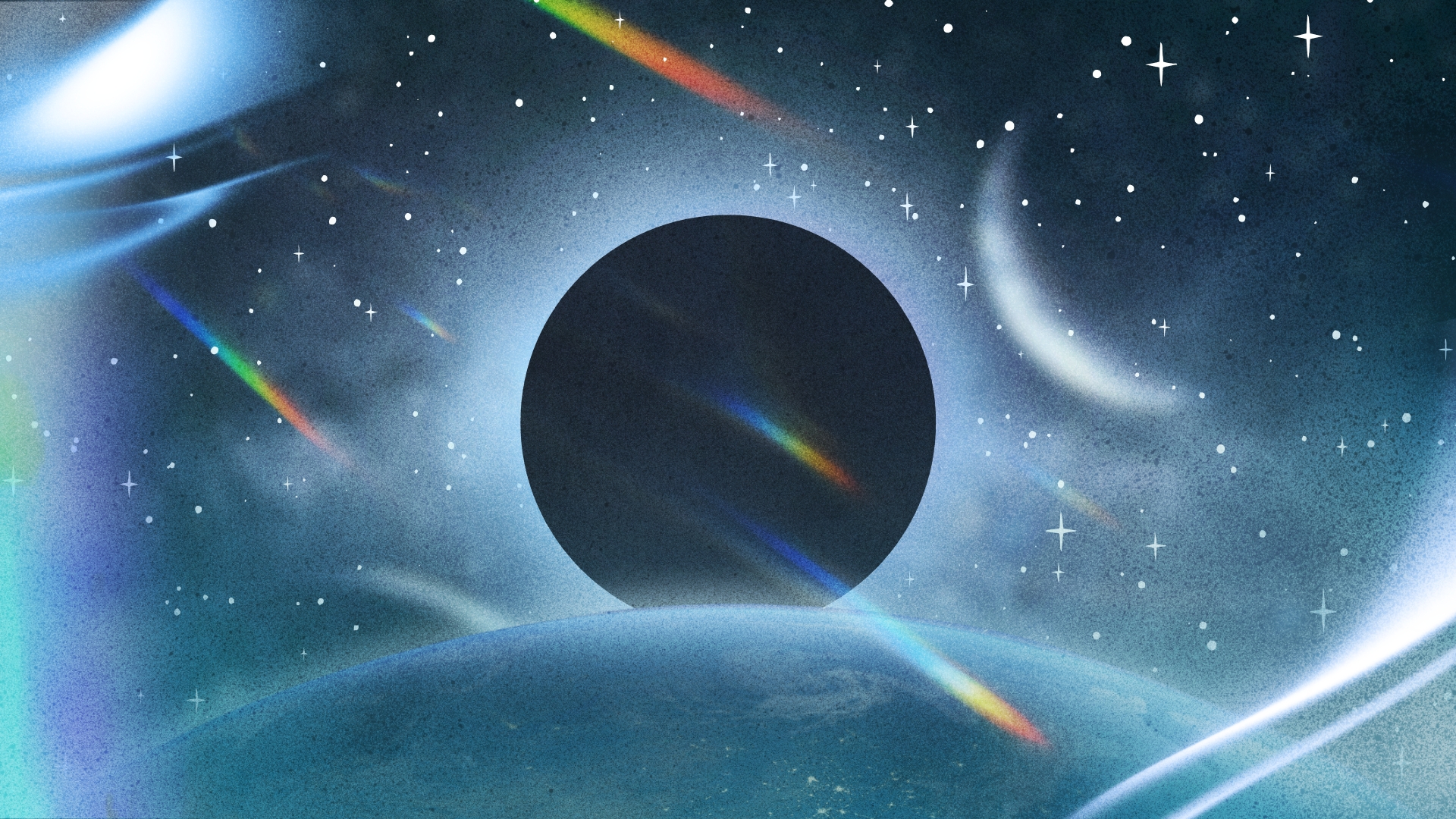
On August 12, 2026, for a few brief minutes, sunlight will temporarily fade—the Sun hiding behind the Moon. There, daylight will turn into darkness—unveiling the Sun’s hidden ring-like Corona caused by a total solar eclipse.
A total solar eclipse happens when the Moon passes directly between the Earth and the Sun. Therefore, temporarily blocking the Sun’s shining face and turning the day into quick dusk.
According to the National Aeronautics and Space Administration (NASA), the eclipse will go over the following geographic regions, including Greenland, Iceland, Russia, Spain, and Portugal.
However, Based on Space.com, millions more people outside the path of totality will experience a partial eclipse experience as the Moon appears to take a “bite” out of the Sun.
Along the path, totality may last less than two minutes—the maximum duration reaching from about two minutes to 18 seconds.
Not only the surroundings may experience change, temperature of the towered regions may drop, as well as birds and other animals may become quiet as daytime suddenly resembles night.
In accordance with Timeanddate, shadow bands—wavy lines that show on the ground right before the moon completely hides the sun—may appear about a minute right before the totality, creating an illusion as it projects the Sun’s faint corona around the Moon.
However, as the fascinating ring piques in observation, the eyes of humans may come at risk. NASA has advised that observers must use proper solar viewing glasses during the progressing phases as even a small amount of direct sunlight can damage the eyes.
It has been further mentioned that only when the Moon completely covers the Sun during totality is safe for direct viewing.
For Europe, the total solar eclipse carries another prestige as this August 12 brings the continent its first total solar eclipse since the 1999s, making the event specifically significant for viewers along its narrow path.
The Philippines, on the other hand, will not enter the path of totality. The total solar eclipse will be an extravagance for only selected regions in the world.
Furthermore, to those who cannot observe the occurrence in person, NASA has advised to follow the event by streaming their live coverage of the total solar eclipse via broadcast, through NASA+ and a variety of social media platforms.
For a few momentary minutes, the Moon will step between the distance of the Sun and Earth, turning daylight into darkness—another rendezvous in the sky, gone in minutes yet remembered long after.