
Now Reading: Always remember Undas this way
-
01
Always remember Undas this way


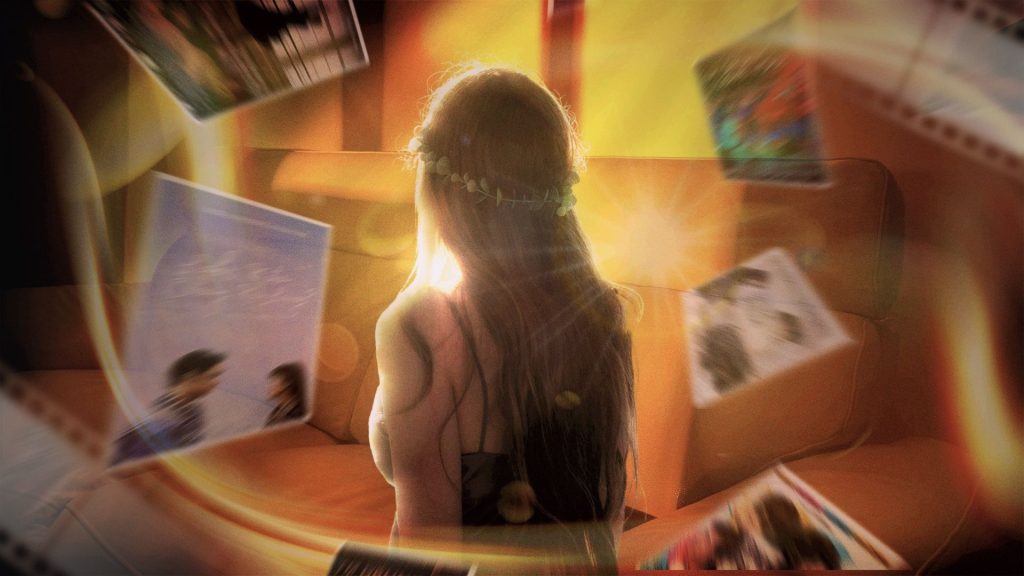
They say nostalgia hits hard when people rekindle their brightest and fondest memories. Whether it be one’s 7th birthday party or that one cozy yet chaotic Christmas Eve with the entire family, a handful of climactic events in life would definitely hit that soft spot hard for a feel-good blast to one’s colorful past. It is a simple, yet dynamic gesture to express our value for what we once savored, celebrated, and held so dearly.
In annual celebrations like All Souls’ Day, commonly known in the Philippines as one of the holidays during Undas, though seemingly unconventional, it is that time of the year when people feel those nostalgic vibes to a great extent. It is not just because of those euphoric encounters in life we currently harbor, but primarily because of those entities that stimulate our sense of familiarity, care, and compassion, signaling us to offer love even beyond a warm embrace — our dearest loved ones who have joined the Creator.
Innately, we honor and give our deepest gratitude to the people who have made significant contributions to our lives. From the moment we meet until their final moments, we consider these small acts of kindness as our prized possessions. As beings keen on appreciation, Filipinos treasure these notable moments in their lives to the point where they shed tears of joy or sadness at times, as these occupy a special space in their hearts and core memories. But in major commemorative events like Undas, do we fully understand the cultural and historical perspectives of such a celebration? How did it first begin? How did it later progress? What exactly do we do, apart from recalling our sweet memories and giving tribute to the ones who have gone to the afterlife, in this solemn feast?
The etymology of Undas and its history in the Philippine setting
The word Undas, according to Virgilio Almario in an edited version of a dictionary entry in the 2nd Edition of UP Diksiyonaryong Filipino, is actually of Spanish origin. It stemmed from the Spanish term honras, which means “honors.” To be more specific, there exists a Spanish phrase that further influenced its meaning: honras funebres. This means “funeral honors”; thus, coming from such a set of words, it implies an act of remembering our dearly departed with great regard. That is why in the local setting, Filipinos call it Araw ng mga Patay, along with another similar word used to name such a commemoration — Undras.
Undas is also a term not solely exclusive to the celebration of All Souls’ Day itself. Rather, it is a conjoined feast of two sister dates in the Roman Catholic calendar, November 1 and 2, which are All Saints’ Day and All Souls’ Day, respectively. It is a period that follows the celebration of Halloween (All Hallows’ Eve) — a festivity originally recognizing hallows, an old English term for those considered “holy,” before evolving into a dark and eerie occasion in modern times. Undas is simply a significant event in the Christian faith, honoring both heavenly personalities and the souls of those who have perished. Other religions commemorate their deceased loved ones, too, though with varying practices and dates. Since the Philippines is predominantly Christian according to religious demographics, it just so happens that Undas became a popular day recalling the people who have passed away.
Historically, before the arrival of the Spanish conquistadors, early Filipino natives already had the concept of the afterlife (spirit world) and the kaluluwa or kalag (soul) present within their bodies. Due to these spiritual beliefs, they developed burial practices. Through the use of various receptacles — including burial jars just like the famous Manunggul jar — they were able to carry out such customs. Since the Spanish colonial period, Filipino converts adapted their burial practices, all of which are related to the doctrines and ceremonial rituals of the Catholic church.
Similar to how the first Christians buried their fallen family and friends in tombs within catacombs, early faithfuls in the Philippines followed this tradition by having their loved ones rest beside or near churches. As years go by, cemeteries and other burial sites have been developed due to the lack of space in church graveyards. Since then, our ancestors carried this tradition into the present, coining the celebration along with All Saints’ Day as Undas — one of the hallmarks of Filipino Christian holidays.
This is how we do it: Filipino customary ways to celebrate Undas
As Filipinos discovered and adopted how Mexicans celebrate their late friends and family with El Día de Los Muertos (Day of the Dead), All Souls’ Day in the Philippines gradually became more festive and fun, with food and catch-up sessions fueling each mini family reunion. Every time it draws near, people from all walks of life meticulously prepare ahead. From booking flights to fording crossroads and oceans, every Filipino takes away a few moments from their precious time to commemorate what they have once seen and interacted with in their lifetime.
In Filipino tradition, it has been since time immemorial that we pay occasional visits to our loved ones’ graves before or beyond Undas. Whether it be their birthday or death anniversary, anyone who has passed away is acknowledged, whenever possible, by those closest to them. Such a commemorative gesture is a product of their significant importance to us and our pure intention to memorialize the life they once lived.
Before these visits, we either book a cemetery cleaner to have our beloved’s grave or tombstone cleaned, or we, ourselves, could go there ahead with the sole purpose of having it polished and neat before other members of our clan arrive to say their greetings. During the visit, families never fail to bring candles and fire starters (like matches and lighters), which they light up and place on their loved one’s burial site. Upon doing this, they say their prayers together and perhaps say a couple of stories or greetings thereafter. They employ these practices because in the Catholic faith, praying to heavenly subjects like Jesus Christ and the Blessed Virgin Mary for their intercession alleviates and cleanses the souls of those dear to them in the afterlife. With the concept of Purgatory in Christianity, praying helps purify each soul to be able to be given the chance to enter heaven with much holiness.
Aside from communicating and praying with their family and friends for the departed, here, they sometimes set up tents, tables, chairs, or long mats for them to gather and eat the meals they have prepared. These people also do not forget to save some love offerings for those who have passed. The food and beverages they brought (which are most likely their late loved one’s favorite), along with other personalized gifts, were to be bestowed upon their beloved’s burial area. They usually place these alongside a framed photograph of the deceased individual.
Apart from these conventional customs, to elevate things up, some even sing, dance, or play games to entertain the souls of their late friends and family. Some release balloons and fly kites with affirming messages on these instruments in the hopes that their loved ones would read their heartfelt letters. Some document the event by taking several photos and videos to reminisce and relive the moment, while others employ some of their native or provincial practices in their celebration. Some even choose to celebrate solemnly, the traditional way, inviting priests for a small blessing and an hour of prayer. With these acts of love mentioned, it is indeed evident that there are many unique ways to commemorate All Souls’ Day.
Regardless of how various Filipinos celebrate such an occasion, it goes to show that, just as intricate as a woven banig, Undas, as a feast, unleashes the diversity of the Filipino spirit of commemoration and honoring the souls of their beloved. Furthermore, it reflects our immense effort and sacrifice, as well as the beauty and colorfulness of our lives, especially with the spiritual presence of those departed. Whether quiet or festive, the thought of visiting one’s grave or tombstone to feel that nostalgic vibe again with that person shows how family is essential and is considered the core of our culture.
As the celebration ends, let us keep in mind that Undas is not only about remembering the saints and souls of our family and friends, but also a testament to the love of the living and a jewel of our religious and cultural influences. Let us never cease to rekindle with those we hold dear. Because sometimes, the warmest hugs are from those who have lain to rest in eternal slumber. With that, let us make a promise that, just like what Lady Gaga and Bradley Cooper once sang: “I’ll always remember u[nda]s this way…”